Story Before Gear: The Filmmaking Discipline That Saves Money and Makes Better Movies
Cameras matter, but clarity matters first. A strong intention for the scene helps you choose lenses, movement, sound, light, coverage, and budget with purpose.
Built for Independent filmmakers, church media teams, students, and creators.
Filmmakers can spend weeks comparing cameras and minutes asking what the scene is actually doing. Gear matters because images and sound have technical requirements. But technical choices become powerful when they are downstream from story intention.
Know what changes in the scene
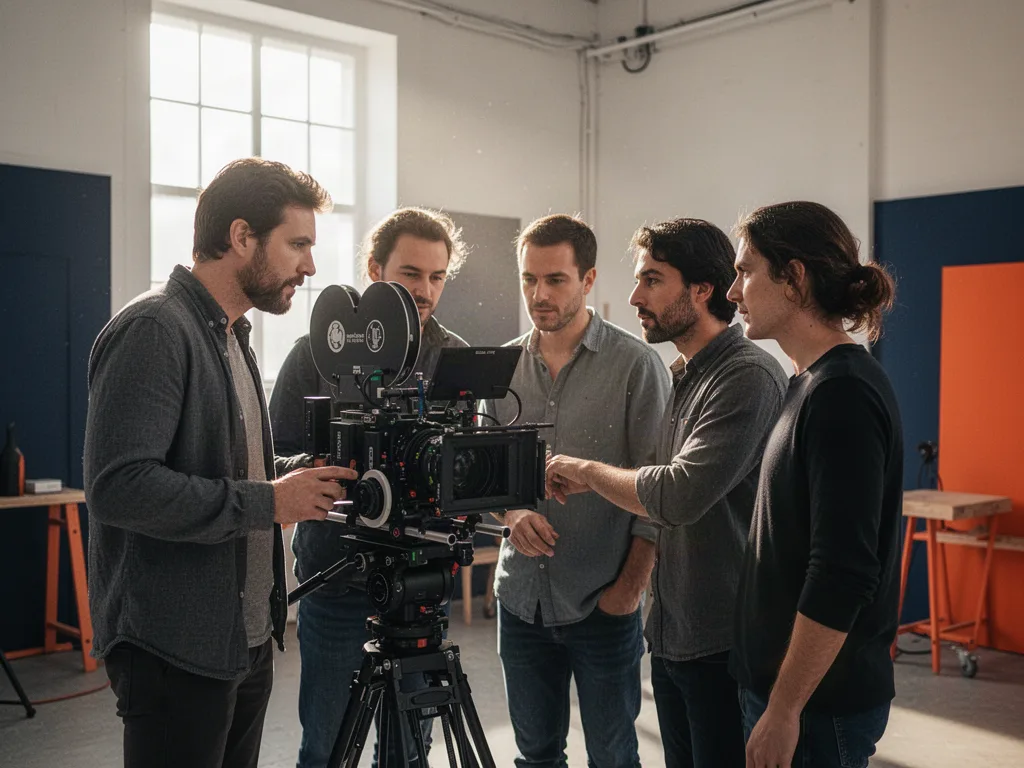
Before choosing a lens, ask what is emotionally different at the end of the scene. Who wants what? What stands in the way? What does the audience need to notice, feel, misunderstand, or discover? Those answers shape where the camera belongs more reliably than a gear list.
Coverage is not a substitute for decisions
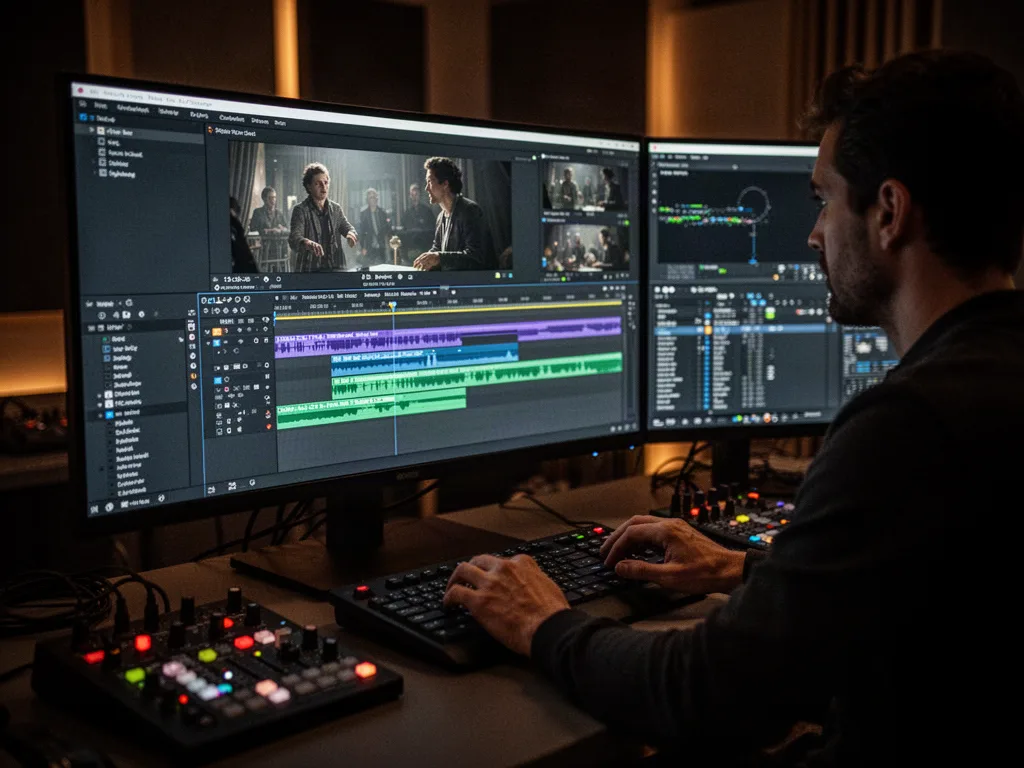
Shooting every angle “just in case” can increase time, data, and editing without increasing meaning. Decide what the scene needs, then capture enough coverage to protect performance and editorial flexibility. Purposeful coverage is faster because everyone understands why the shot exists.
Put it into practice
Write the emotional purpose of the scene in one sentence.
Identify the story beat that must be visible or audible.
Choose camera distance and movement based on audience relationship, not habit.
Protect clean production sound before adding visual complexity.
Build a short shot plan around required story information and performance.
Review the scene after the first meaningful setup and adjust before collecting redundant footage.
Carry this with you
A better camera can improve an image. A clearer story decision can improve the entire movie. Spend creative energy in the order that multiplies everything downstream.
Questions people ask
What should I plan before choosing film gear?
Define the scene purpose, location constraints, performance needs, sound environment, lighting conditions, shot requirements, schedule, and delivery format before choosing equipment.
How much coverage does a scene need?
Enough to protect the performance, story information, pacing, and editorial options without collecting angles that add no meaningful choice.
Do something with what you just read.
The best insight is the one that changes a conversation, a decision, a habit, a project, or the way you show up for another person.