top of page
< Back

5 Steps How to Create a Safe Faith Home and Protect Your Kids (Easy Guide for Families)

Family and Parenting To create a safe faith home, you must prioritize open communication, establish a strict no-secrets policy, cultivate a grace-centered culture, teach physical boundaries, and implement digital safety measures like monitoring software. This guide breaks down these five steps to help you protect your children and foster a home where faith and safety go hand in hand. By focusing on these pillars, you ensure that your home is not just a place of religious instruction, but a...
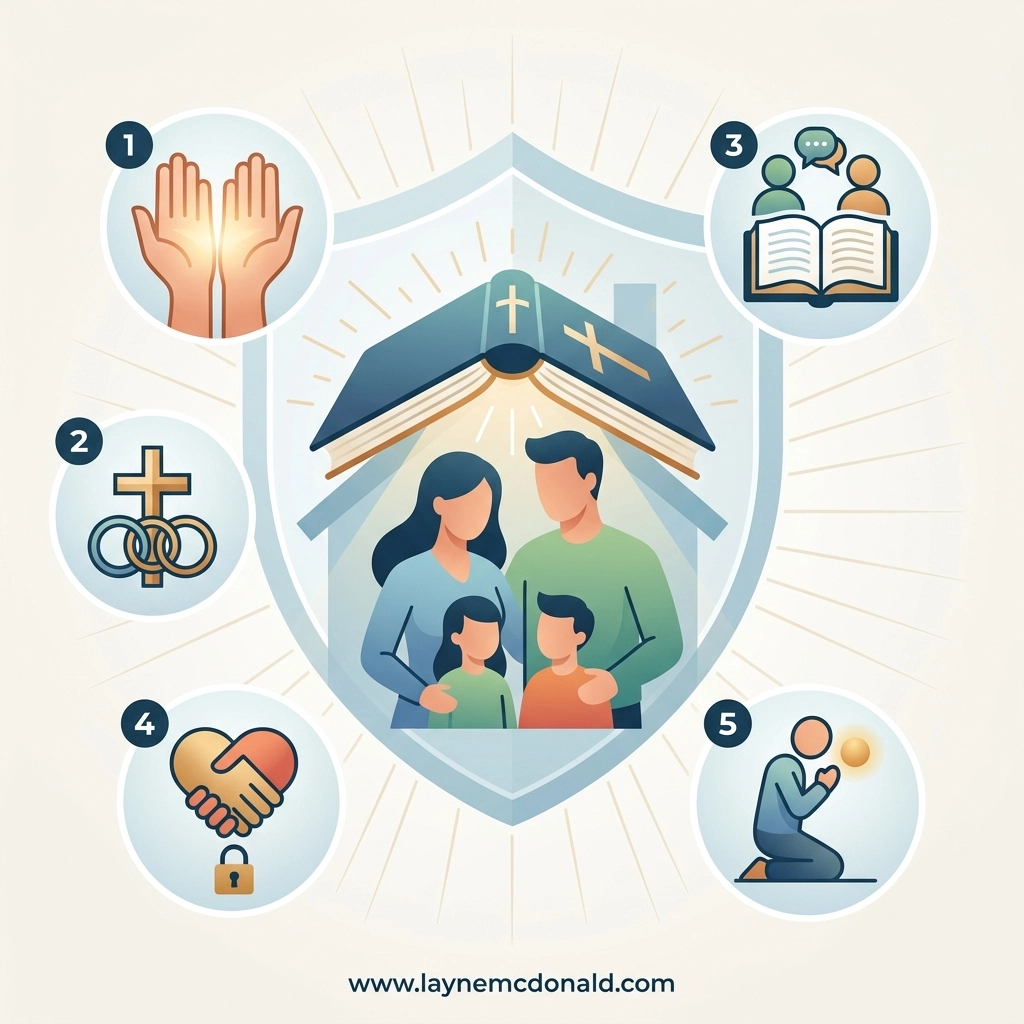
Family and Parenting To create a safe faith home, you must prioritize open communication, establish a strict no-secrets policy, cultivate a grace-centered culture, teach physical boundaries, and implement digital safety measures like monitoring software. This guide breaks down these five steps to help you protect your children and foster a home where faith and safety go hand in hand. By focusing on these pillars, you ensure that your home is not just a place of religious instruction, but a sanctuary of physical and emotional security. As parents and leaders in our homes, we are the first line of defense for our children. In a world that is increasingly complex, especially with the intersection of faith and technology, protecting our kids requires more than just good intentions. It requires a strategic, faith-integrated approach. We must become champions for the cause of our children’s safety, treating every child as a priceless gift from God. This is not about living in fear; it is about living with stewardship and wisdom. When we build a safe faith home, we create a foundation where our children can grow in their relationship with Jesus without the interference of preventable harm.  Step 1: Open Communication as a Spiritual Practice  The first step in protecting your kids is to build a bridge of communication that is always open. Dedicate at least three minutes every day to a calm, non-judgmental conversation. This isn't just about asking how their day was; it’s about creating a safe space for them to share things that might be uncomfortable. Ask your children directly: "Is there anything you’ve seen online lately, or anything that happened at church, that made you feel a little weird or uncomfortable?" Your reaction during these moments is everything. If they tell you something shocking, maintain a composed and loving presence. If you react with panic or anger, your child may internalize that certain topics are "dangerous" to share with you, which leads them to hide things in the future. Instead, show them that you are a safe harbor for any storm. This practice models the way Jesus welcomes us, with open arms and a heart ready to listen. By normalizing these check-ins, you remove the power of shame and silence.  Step 2: Establish the No-Secrets Rule  In many religious settings, children are taught to respect authority, which is a good thing. However, predatory behaviors often hide behind a veil of "special secrets" or exclusive bonds with an adult. You must spend time explicitly stating that secrets with other adults, including church leaders, teachers, family friends, or even extended relatives, are not allowed in your home. This is a non-negotiable boundary for a safe faith home. Teach your children that if an adult ever says, "Let’s keep this between us," or "Don't tell your parents, it's a surprise," they must report it to you immediately. Explain that surprises (like a birthday party) have a deadline and are eventually shared, but secrets are meant to hide things that shouldn't be happening. This rule creates an accountability structure that protects your child from grooming behaviors. It also empowers them to recognize red flags early on. Accountability is a hallmark of godly leadership, and by teaching this, you are training your children to value transparency over institutional reputation.  Step 3: Cultivate a Grace-First Culture  Many families mistakenly believe that a strict, "perfect" environment is the safest. In reality, a culture of perfectionism often drives children to hide their mistakes or the things that have happened to them because they fear the consequences. To create a truly safe home, you must build a grace-first culture. Regularly tell your children: "There is nothing you could ever tell me that would make me love you less." Remind them that your love is unconditional and that mistakes are met with restoration rather than rejection. When children feel they must be perfect to be loved, they become vulnerable to those who might use their mistakes against them. By emphasizing grace, you eliminate the incentive for children to hide problems. You want them to know that if they stumble, whether online or in real life, you are their first phone call, not their biggest fear. This is how we love like Jesus, meeting our children where they are and building them up one conversation at a time.  Step 4: Teach and Honor Physical Boundaries  It is vital to teach your children to trust their "God-given alarm system." This is that internal feeling, often a pit in the stomach or a sense of "yuck", that tells them something isn't right. In some ministry environments, children are encouraged to hug everyone or sit on laps to show "Christian love." However, safety must come before social expectations. Give your child the right to say no to physical touch, even with people they know and love. If a ministry leader or volunteer ever crosses a boundary, your child should know they can report it immediately without fear of spiritual repercussion. Help them understand that true spiritual health prioritizes their physical and emotional safety over the comfort of an adult. You can even audit your church’s children’s ministry safety protocols. Ask about their safeguarding procedures, background checks, and the "two-adult rule" in classrooms. A healthy church will welcome these questions because they share your goal of protecting the flock.  Step 5: Implement Digital Safety Walls  While conversation is your foundation, you must also build technical walls for your digital fortress. The internet is a mission field, but it is also a minefield. As part of your family rhythm, use monitoring tools to help manage what enters your home. Two of the most common tools are Bark and Covenant Eyes, and choosing the right one depends on your family's needs. Bark: This tool uses AI to monitor messages, social media, and emails for potential issues like cyberbullying, predators, and suicidal ideation. It alerts you only when something concerning is found, which allows for a level of privacy while maintaining safety. Covenant Eyes: This is a powerful tool for accountability. It uses screen monitoring to track activity and sends reports to an "accountability partner" (like a parent). This is particularly effective for protecting against pornography and fostering a culture of transparency. Whichever you choose, use it as a tool for connection, not just surveillance. Set aside weekly check-ins, perhaps on Sunday evenings, to review any alerts and talk through them. Use these moments for self-growth and learning. By being proactive with technology, you are showing your kids that you care enough about their souls to guard their eyes.  Takeaway / Next Step  Building a safe faith home is an ongoing journey of intentionality. Your next step is to have the "3-minute conversation" tonight. Don't wait for a crisis to happen; start building the bridge now. When you prioritize safety and grace, you are doing more than just protecting your kids: you are showing them a tangible example of God’s protective love. You are a champion for this cause, and your dedication to a safe home helps fight against the darkness in our world. Remember, visiting helps raise funds for families who lost children at no cost. Every effort you make to secure your home is an investment in your child's eternal value. Byline: The Team reach out to me on the site. For more resources on faith-based leadership and family wellbeing, visit:
https://www.laynemcdonald.com/blog
https://www.laynemcdonald.com/post/7-mistakes-you-re-making-with-your-child-s-online-safety-and-how-to-fix-them
https://www.laynemcdonald.com/post/how-can-you-create-a-safe-faith-home-in-just-five-minutes Need prayers? Text us day or night at 1-901-213-7341. EOD Report: 1 Wix blog post published today.

5-steps-how-to-create-a-safe-faith-home-and-protect-your-kids-easy-guide-for-families

bottom of page