top of page
< Back

Family and Parenting: Does Your Church Feel Safe? 7 Child Safety Mistakes Churches Make (and How to Fix Them)

Every Sunday morning, parents drop their kids off at the children's ministry area and head to the main service. We trust our churches completely, after all, these are places dedicated to God's work, filled with people of faith. But trust alone isn't enough to keep children safe. The hard truth is that many churches inadvertently create safety vulnerabilities that put kids at risk. Not because they don't care, but because they haven't identified the gaps in their systems. After years of...
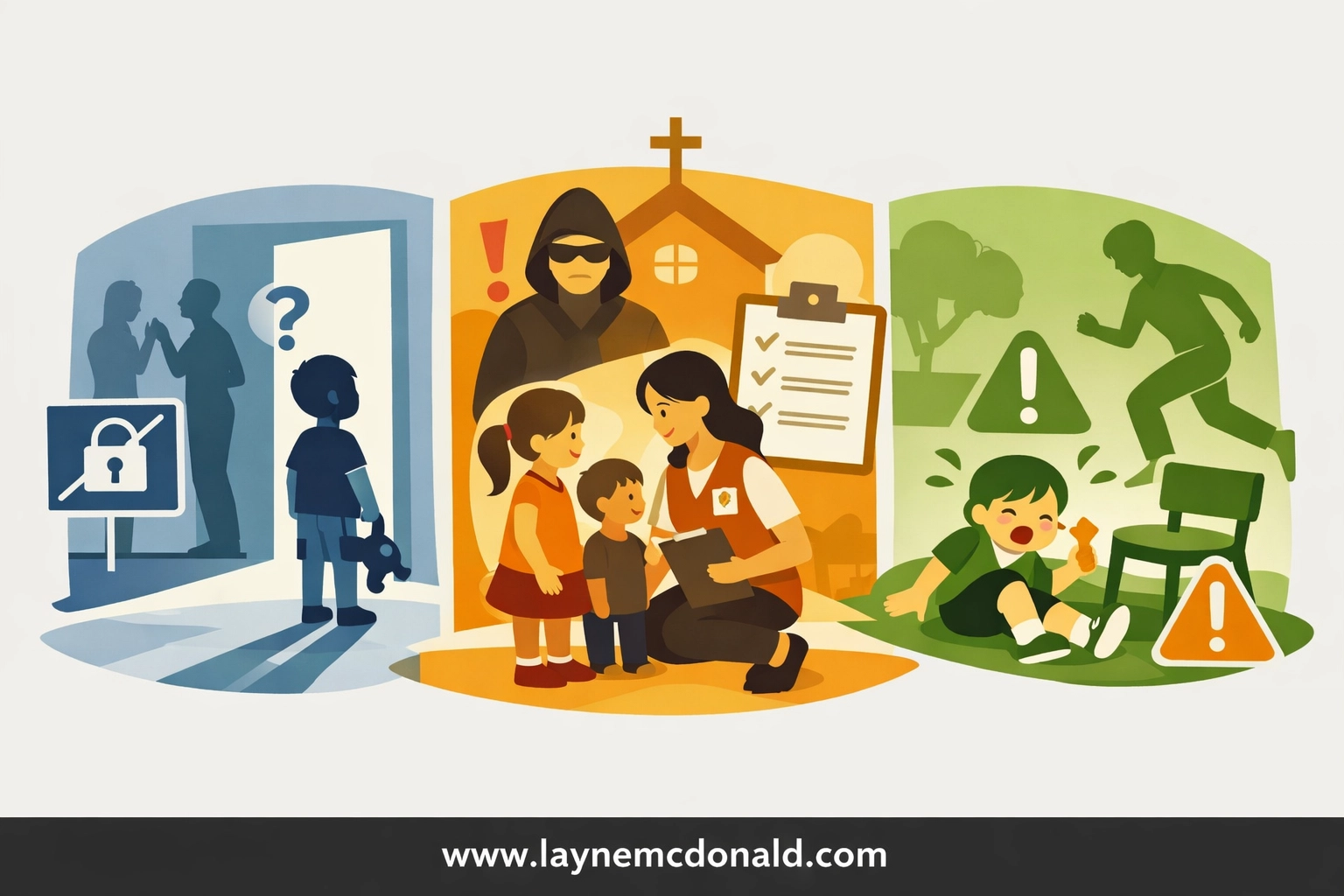
Every Sunday morning, parents drop their kids off at the children's ministry area and head to the main service. We trust our churches completely, after all, these are places dedicated to God's work, filled with people of faith. But trust alone isn't enough to keep children safe. The hard truth is that many churches inadvertently create safety vulnerabilities that put kids at risk. Not because they don't care, but because they haven't identified the gaps in their systems. After years of working in Christian media and talking with ministry leaders, I've seen these same mistakes repeated across congregations of all sizes. Let's walk through seven critical child safety mistakes churches make, and more importantly, how to fix them.  1. Allowing Adults to Be Alone with Children  This is the big one. The most critical vulnerability in any children's ministry is when a single adult supervises kids without another adult present. It doesn't matter how long someone has attended your church or how trusted they are in the community. The Two-Adult Rule exists to protect everyone, both children and the volunteers themselves. False accusations can destroy lives just as surely as actual abuse. The Fix:  Never allow one adult alone with a child. Ever. At minimum, two unrelated volunteers should staff each room or activity. This creates accountability and eliminates opportunities for misconduct. If you're short on volunteers, combine classes or cancel activities rather than compromise this standard.  2. Skipping or Inconsistent Background Checks  Some churches check volunteers once when they start serving and never again. Others skip background checks entirely, especially for "trusted" long-time members. Both approaches are dangerous. People change. Circumstances change. And unfortunately, predators specifically seek out positions of trust and access to children. Churches that value redemption sometimes struggle with this, we want to believe the best about everyone. But safety must come first. The Fix:  Conduct official criminal records checks on everyone who works with children, and repeat this process annually. No exceptions. Set up a system with your church leadership to ensure compliance. While it may feel uncomfortable to check on people you've known for years, it's a small price to pay for children's safety.  3. Poor Check-In and Check-Out Procedures  Walk into some churches and you'll see kids wandering into classrooms without any formal check-in. At pickup time, children are released to anyone who asks for them, sometimes just based on a familiar face. This isn't just about stranger danger. Unauthorized family members (perhaps involved in custody disputes), friends of the family, or even well-meaning church members who offer to help can create serious problems when they pick up children without proper authorization. The Fix:  Implement a matching tag system. When a parent checks in their child, print two identical tags, one goes on the child, one goes to the parent. At pickup, no one, and I mean no one, can claim a child without the matching tag. No exceptions for grandparents, aunts, uncles, or the senior pastor. This simple procedure prevents both strangers and unauthorized individuals from taking children.  4. Inadequate Bathroom Supervision  Bathroom policies are where many churches get vague or uncomfortable. But this is precisely where clear procedures matter most. Some churches have no bathroom policy at all. Others allow a single adult to escort children to restrooms. Both scenarios create unnecessary risk. The Fix:  Establish a "one-foot-in, one-foot-out" protocol. The supervising adult stands at the bathroom threshold with one foot inside the doorway and one foot in the hallway, maintaining visibility in both directions. Designate specific bathrooms for children only during service times and keep those doors open at all times. When possible, have two unrelated adults accompany young children to the restroom. For older kids who can go independently, use the buddy system, send at least two children together with adult supervision stationed at the bathroom entrance.  5. Unsecured Facilities and Open Access  Many church buildings are designed to be welcoming, doors unlocked, hallways open, anyone can wander anywhere. While this reflects Christian hospitality, it creates security vulnerabilities in children's ministry areas. During service times, children's classrooms should be controlled environments, not open hallways where anyone can enter unnoticed. The Fix:  Lock children's ministry classroom doors once service begins. Require security badges or visible name tags for anyone entering these areas. Use digital check-in systems or printed rosters to track who's present in each room. Regularly inspect rooms, hallways, restrooms, and play areas for safety hazards and unauthorized access points. Install cameras in hallways (not in classrooms or bathrooms, which raises privacy concerns). Make sure outdoor play areas are fenced and have controlled entry points.  6. Insufficient or No Volunteer Training  Here's a scenario that happens too often: A willing volunteer shows up on Sunday morning, gets handed a class roster, and is told "just keep them busy until parents come back." No training. No orientation. No clear procedures for emergencies, discipline issues, or safety concerns. Even well-intentioned volunteers can make mistakes when they don't know the expectations or procedures. The Fix:  Provide comprehensive initial training for all volunteers covering: Child protection practices and the Two-Adult Rule Emergency procedures (fire, medical, severe weather) First aid and CPR basics Bathroom safety protocols Appropriate and inappropriate physical contact Classroom management techniques Bullying prevention and intervention Reporting procedures for concerns Don't make this a one-time event. Conduct refresher training sessions throughout the year and annual audits of your safety systems. Invite outside experts to review your procedures and identify weak spots you might have missed.  7. Lack of Clear, Written Policies  Many churches operate on informal understandings and verbal agreements. "We've always done it this way" becomes the default policy. But without documented procedures, expectations become unclear, enforcement becomes inconsistent, and the church becomes legally vulnerable. When problems arise, and eventually they will, the first question lawyers and authorities ask is: "What are your written policies?" The Fix:  Develop and formally adopt written child protection policies that address: Supervision requirements (Two-Adult Rule) Background check procedures and frequency Check-in and check-out protocols Bathroom supervision standards Emergency response procedures Facilities security measures Volunteer training requirements Reporting procedures for concerns or incidents Appoint a Child Protection Coordinator, someone specifically responsible for overseeing implementation and serving as the point of contact for safety concerns. Make sure church leadership commits to these policies publicly and holds everyone accountable. Communicate these policies clearly to all staff, volunteers, and parents. Post them on your website. Include them in volunteer training. Make them visible.  Building a Culture of Safety  Child safety isn't just about preventing harm, it's about building a culture where protection is woven into every activity and interaction. When churches address these seven mistakes, something powerful happens: Parents feel secure dropping off their children. Kids sense they're in a protected environment. Volunteers understand their roles and responsibilities clearly. And the church fulfills its calling to care for "the least of these." Yes, implementing these changes takes time, resources, and sometimes uncomfortable conversations. But the alternative: a child harmed in a place meant to be safe: is unthinkable. Start where you are. If your church has none of these protections in place, begin with the Two-Adult Rule and background checks. Build from there. If you already have some procedures, audit them against this list and identify gaps. Child safety is both a moral imperative and a practical responsibility. Our churches should be the safest places in our communities for children to learn, grow, and encounter God's love.  Takeaway / Next Step  Review your church's current child safety procedures this week. If you're a parent, don't be afraid to ask questions about the policies in place. If you're a volunteer or staff member, advocate for implementing these protections. And if you're in church leadership, commit to making child safety a non-negotiable priority. Our children deserve nothing less than our best efforts to keep them safe. For more resources on creating safe, welcoming faith communities, visit laynemcdonald.com  and boundlessonlinechurch.org . If you found this helpful, know that visiting helps raise funds for families who lost children at no cost. Need prayers? Text us day or night at 1-901-213-7341.

family-and-parenting-does-your-church-feel-safe-7-child-safety-mistakes-churches-make-and-how-to

Dr. Layne McDonald
Creative Pastor • Filmmaker • Musician • Author
Memphis, TN

  • Apple Music
  • Spotify
  • YouTube
  • TikTok
  • Instagram
  • Facebook
  • LinkedIn
  • X

© 2026 Layne McDonald. All Rights Reserved.

bottom of page