top of page
< Back

Members Are Crew, Not Passengers: The Discipleship Playbook for Church Unity

Your church isn't a cruise ship where you buy a ticket and expect to be entertained. It's more like a sailing vessel where everyone has a role to play, and the success of the journey depends on how well the crew works together. Too many churches operate with a "pastor performs, people watch" mentality. The result? Burned-out pastors, disengaged members, and churches that plateau because they're missing the biblical model of shared ministry. The New Testament paints a different picture...
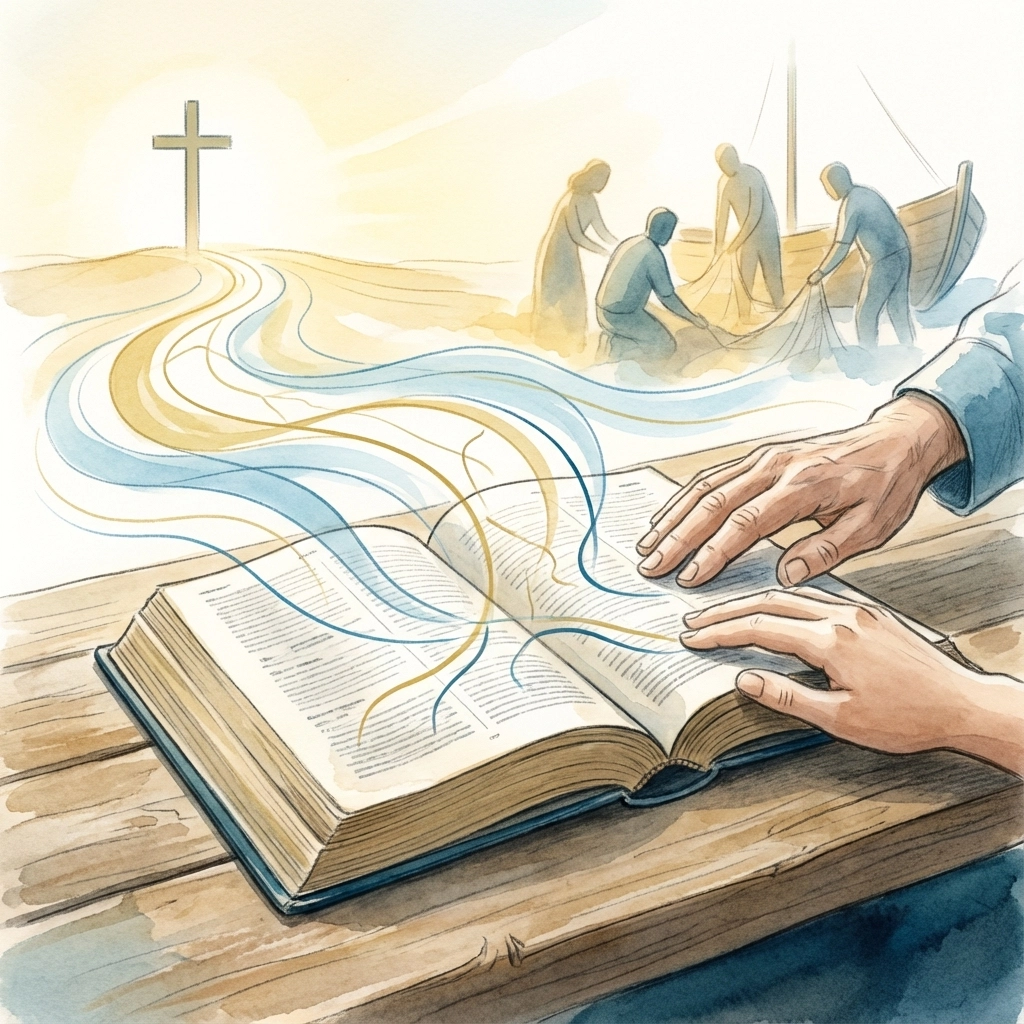
Your church isn't a cruise ship where you buy a ticket and expect to be entertained. It's more like a sailing vessel where everyone has a role to play, and the success of the journey depends on how well the crew works together. Too many churches operate with a "pastor performs, people watch" mentality. The result? Burned-out pastors, disengaged members, and churches that plateau because they're missing the biblical model of shared ministry. The New Testament paints a different picture entirely: one where members are equipped "for the work of the ministry, for building up the body of Christ" (Ephesians 4:12). Here's the truth: Members are not passengers. They're crew. When members understand their role as active participants rather than passive consumers, everything changes. Churches become healthier, conflicts decrease, and the mission moves forward with unstoppable momentum.  The Biblical Foundation for Shared Leadership  Scripture doesn't support the idea of one-person ministry. From the beginning, God established patterns of shared leadership and mutual responsibility. Moses had Aaron and Hur. Jesus chose twelve disciples and sent them out two by two. Paul traveled with ministry teams and established plural eldership in every church he planted. The early church thrived because everyone understood their role. They didn't wait for the apostles to do everything: they prayed together, shared resources, served one another, and spread the gospel as a unified body. This doesn't diminish pastoral authority; it amplifies pastoral effectiveness. When members step into their God-given roles as crew members, pastors can focus on what they're called to do: equip, teach, and shepherd.  Seven Practical Ways Members Help Steer Into Calmer Waters  1. Pray Like It Matters (Because It Does)  The first and most powerful way members can help steer the church is through prayer that goes beyond "bless the service." Effective member prayer includes: Praying for unity  when tensions arise instead of choosing sides Seeking wisdom  for complex decisions rather than demanding quick fixes  Interceding for protection  over church leadership and families Asking for courage  when difficult conversations need to happen Covering specific ministries  and outreach efforts regularly When members commit to this level of prayer, they're not just asking God to bless what's already planned: they're partnering with Him to shape what happens next.  2. Bring Solutions, Not Just Critiques  Every church has problems. Healthy churches have members who see problems as opportunities to serve rather than reasons to complain. Instead of saying, "The children's ministry is falling apart," a crew member says, "I see some gaps in children's ministry. I'd like to lead a team to address this. Can we meet to discuss a plan?" This approach transforms criticism into collaboration. It moves conversations from "What's wrong?" to "What can we build?" And it demonstrates the kind of ownership that makes churches thrive.  3. Protect the Culture  One of the most destructive forces in any church is the gossip mill. Healthy members shut it down before it gains momentum. They refuse to participate in triangulation: talking to everyone except the person who actually needs to hear the message. Protecting church culture means: Redirecting complaints  to appropriate channels Asking permission  before sharing someone else's struggles Choosing peacemaking  over taking sides in conflicts Speaking truth in love  rather than enabling dysfunction Modeling grace  when others make mistakes When members take responsibility for protecting the atmosphere, pastors can focus on vision instead of damage control.  4. Be the Welcome You Wish Existed  Friendliness and belonging are two different things. You can experience a warm greeting and still feel invisible. Crew members create belonging on purpose. This looks like: Learning names  and using them consistently Inviting newcomers  to lunch or coffee outside of church Including people  in conversations rather than forming exclusive circles Following up  with visitors personally, not just through a church system Creating space  for meaningful relationships to develop The goal isn't to become best friends with everyone: it's to ensure no one falls through the cracks of surface-level interaction.  5. Serve in Your Lane: Build Systems, Not Heroics  Sustainable ministry beats emotional sprints every time. Crew members understand that healthy service has boundaries and seasons. This means: Identifying your strengths  and serving from those areas consistently Building systems  that work even when you're not there Training others  instead of becoming indispensable Taking breaks  when needed without guilt or drama Saying no  to requests outside your gifting or capacity Churches don't need heroes who burn out after six months. They need faithful servants who build things that last.  6. Offer Honest Feedback with Honor  Truth without love is brutality. Love without truth is enabling. Crew members learn to offer honest feedback that builds up rather than tears down. Healthy feedback: Happens privately  when possible, not in public forums Focuses on specific behaviors  rather than character attacks Includes practical suggestions  for improvement Comes from a heart  that genuinely wants to see success Respects pastoral authority  while offering helpful perspective The goal isn't to be right: it's to help the church become more effective in its mission.  7. Disciple Someone  Nothing calms church chaos like real discipleship. When members take responsibility for spiritual growth: their own and others': the entire church benefits. Discipleship doesn't require a degree in theology or years of ministry experience. It requires: Intentionality  about spiritual growth Willingness  to invest in someone else's journey Consistency  in meeting and praying together Vulnerability  about your own struggles and victories Commitment  to walking alongside someone through real life When members become disciple-makers, churches multiply their impact without adding to the pastoral workload.  The Ripple Effect of Crew-Minded Members  Churches with crew-minded members look different. They're marked by: Decreasing conflict  because members address issues constructively Increasing unity  because everyone works toward shared goals Growing impact  because ministry happens through many hands Sustainable leadership  because burdens are shared appropriately Authentic community  because relationships go deeper than Sunday mornings These churches don't have perfect members: they have members who understand their role in making the body healthy.  Moving From Passenger to Crew  The transition from passenger to crew doesn't happen overnight, but it starts with a simple decision: "I'm going to take responsibility for the health of this church body." This doesn't mean taking over or undermining leadership. It means partnering with pastoral vision to see God's kingdom advance through your local church. If you've been sitting in the passenger seat, waiting for others to make things happen, consider this your invitation to join the crew. Your church needs what you have to offer: not someday when you're more qualified, but right now, right where you are. Ready to develop the leadership skills that make you an effective crew member? Dr. Layne McDonald offers comprehensive coaching programs designed to help believers grow in influence and impact. Whether you're looking to strengthen your discipleship skills, learn healthy communication patterns, or develop your calling, professional Christian coaching can accelerate your growth and effectiveness. Visit our leadership resources  to explore how coaching can help you become the crew member your church needs. Because when God's people step into their roles as active participants, extraordinary things happen.

members-are-crew-not-passengers-the-discipleship-playbook-for-church-unity

Dr. Layne McDonald
Creative Pastor • Filmmaker • Musician • Author
Memphis, TN

  • Apple Music
  • Spotify
  • YouTube
  • TikTok
  • Instagram
  • Facebook
  • LinkedIn
  • X

Sign up for our newsletter

© 2025 Layne McDonald. All Rights Reserved.

bottom of page