top of page
< Back

Mentorship: Passing the Creative Torch

There's something powerful about watching someone light up when they finally "get it." That moment when a concept clicks, when a skill becomes second nature, when a younger creative realizes they actually can do this thing they've been dreaming about. That's the magic of mentorship. If you're a creative, a filmmaker, writer, musician, designer, or any other kind of artist, you've probably benefited from someone who took the time to pour into you. Maybe it was a teacher, a parent, a friend,...
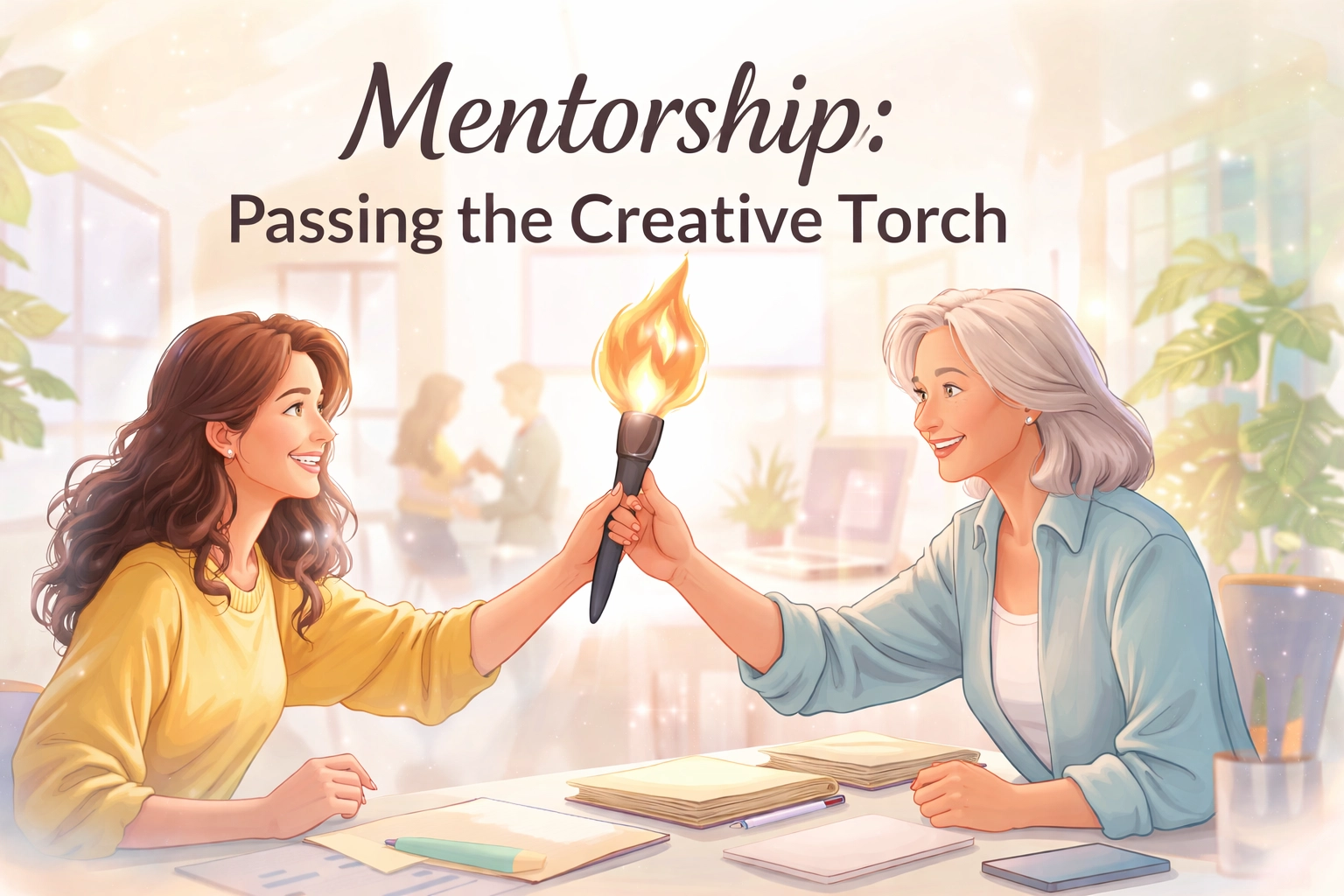
There's something powerful about watching someone light up when they finally "get it." That moment when a concept clicks, when a skill becomes second nature, when a younger creative realizes they actually can  do this thing they've been dreaming about. That's the magic of mentorship. If you're a creative, a filmmaker, writer, musician, designer, or any other kind of artist, you've probably benefited from someone who took the time to pour into you. Maybe it was a teacher, a parent, a friend, or someone at church who saw something in you before you saw it yourself. And if you've been creating for a while, you might be the one holding the torch now. So let's talk about why mentorship matters so much in creative fields, what the Bible says about discipleship in this context, and how you can get involved, whether you're looking for a mentor or ready to become one.  Why Creative Mentorship Is Different  Creative work isn't like learning accounting or plumbing (no shade to accountants or plumbers, we need you!). There's a technical side, sure, but there's also a deeply personal, emotional, and even spiritual dimension to what we do. When you mentor a creative, you're not just teaching them how to use software or structure a story. You're helping them find their voice. You're showing them how to push through creative blocks and self-doubt. You're modeling what it looks like to steward a gift well. Mentors accelerate learning by sharing hard-won knowledge. They've navigated the pitfalls of creative industries and can offer perspective that saves mentees from making the same mistakes. Through consistent feedback and technique sharing, mentees see real improvement in their craft. This direct knowledge transfer is way more valuable than tutorials alone because mentors can personalize their guidance to each person's specific vision and goals. And here's the thing: creative mentorship isn't just about the art. It's about bridging craft and commerce. Understanding pricing, contracts, client management, and marketing transforms art from a hobby into a sustainable calling. Mentors help mentees make informed business decisions and capitalize on opportunities they might otherwise miss.  The Biblical Model: Discipleship in Action  If you're a believer, mentorship probably sounds a lot like discipleship. And that's because it is. Jesus didn't just preach to crowds. He invested deeply in twelve people. He walked with them, ate with them, corrected them, encouraged them, and ultimately sent them out to do greater things than He did during His earthly ministry (John 14:12). That's the model. Paul did the same with Timothy. "And the things you have heard me say in the presence of many witnesses entrust to reliable people who will also be qualified to teach others" (2 Timothy 2:2). There's a generational chain there, Paul to Timothy, Timothy to reliable people, those people to others. The torch keeps getting passed. In the Old Testament, we see Elijah and Elisha. Moses and Joshua. Naomi and Ruth. Over and over, God uses relationships to transfer wisdom, skill, and calling from one generation to the next. Creative mentorship in the church is just discipleship applied to the gifts God has given us. It's recognizing that our talents aren't just for us, they're meant to be multiplied.  What Does Creative Mentorship Actually Look Like?  Okay, so we know mentorship is important. But what does it look like in practice? It can take a lot of different forms: Formal mentorship  might involve regular meetings, structured goals, and specific skill development. Think of a worship leader training up a younger musician, or a filmmaker walking an intern through a production. Informal mentorship  happens more organically. It's the conversations after rehearsal, the feedback on a rough draft, the "hey, can I pick your brain about something?" moments. Peer mentorship  is when creatives at similar levels sharpen each other. Iron sharpens iron, right? (Proverbs 27:17) Reverse mentorship  is when younger creatives teach older ones: especially about new tools, platforms, and trends. This keeps everyone humble and learning. The best mentorship relationships usually have a few things in common: Consistency : Regular check-ins, even if they're brief, build trust and momentum. Honesty : Good mentors tell the truth in love. They celebrate wins and gently correct mistakes. Availability : You don't have to be available 24/7, but mentees need to know they can reach you when it matters. Humility : Great mentors admit they don't have all the answers. They're still learning too.  The Two-Way Street: Why Mentors Benefit Too  Here's something that might surprise you: mentorship isn't just good for the mentee. It's transformative for the mentor as well. Research shows that mentors report higher job satisfaction and productivity while gaining fresh perspectives and updated industry knowledge from mentees. This two-way exchange keeps mentors creatively inspired and connected to emerging practices and tools. Think about it. When you have to explain something, you understand it better yourself. When you invest in someone else's growth, you reconnect with why you started creating in the first place. When you see a mentee succeed, you experience a joy that's hard to find anywhere else. And sometimes, mentees become collaborators. What starts as a teaching relationship evolves into partnership. Your network expands. New ideas emerge. Innovation happens. This is the Kingdom economy at work. When you pour out, you don't end up empty: you end up fuller.  Finding a Mentor (Or Becoming One)  So how do you actually find a mentor? Or if you're further along, how do you start mentoring others?  If You're Looking for a Mentor:  If You're Ready to Mentor:  The Torch Is Yours  Here's the truth: the creative torch has been passed to you. Someone invested in you: directly or indirectly: and now you have something to offer. Maybe you're still learning. That's fine. You don't have to be an expert to help someone one step behind you. Maybe you've been creating for decades. Your experience is a gift waiting to be given away. The church needs creatives who are willing to pour into the next generation. We need filmmakers mentoring filmmakers, writers mentoring writers, musicians mentoring musicians. We need the body of Christ functioning the way it's supposed to: each part working together, building each other up. So find your person. Light their torch. And watch what God does when creativity and discipleship collide. For more resources on growing as a creative in the faith, check out our other posts at BoundlessOnlineChurch.org .

mentorship-passing-the-creative-torch

Dr. Layne McDonald
Creative Pastor • Filmmaker • Musician • Author
Memphis, TN

  • Apple Music
  • Spotify
  • YouTube
  • TikTok
  • Instagram
  • Facebook
  • LinkedIn
  • X

© 2026 Layne McDonald. All Rights Reserved.

bottom of page