5 Ways to Reclaim Your Peace in a Chaotic Office
- Dr. Layne McDonald
- Mar 2
- 5 min read

The emails are piling up. Your coworker won't stop talking. Someone's heating fish in the microwave again. And somewhere between the third meeting of the day and your overflowing inbox, you realize you haven't taken a full breath in hours.
Sound familiar?
Office chaos isn't just annoying, it chips away at your mental health, your productivity, and honestly, your soul. When we're constantly overwhelmed, we lose connection with ourselves, with others, and with God. We become reactive instead of intentional. Stressed instead of strong.
But here's the good news: you don't have to wait for your environment to change to experience peace. Peace isn't something you find when everything calms down. It's something you cultivate in the middle of the storm.
Jesus told His disciples, "Peace I leave with you; my peace I give you. I do not give as the world gives. Do not let your hearts be troubled and do not be afraid" (John 14:27). That's not a peace that depends on your workload shrinking. That's a peace that transcends circumstances.
So how do you actually tap into that peace when your office feels like controlled chaos? Here are five practical, faith-grounded strategies to help you reclaim your calm.

1. Master the Art of Single-Tasking
Your brain wasn't designed to juggle fifteen things at once. Despite what hustle culture tells you, multitasking doesn't make you more productive, it makes you more frazzled. Research consistently shows that rapid task-switching increases cognitive load and stress while decreasing the quality of your work.
Here's a different approach: single-tasking.
Pick one thing. Focus on that one thing. Complete it. Then move to the next.
This sounds almost too simple, but it's revolutionary for your peace of mind. When you try to do everything at once, your brain stays in a constant state of low-grade panic. When you focus on one task, you create mental space to breathe.
Practical steps to single-task:
Start your day by identifying your top three priorities
Break large projects into small, manageable chunks
Close unnecessary browser tabs and silence notifications while working
Ask yourself: "Is this a 'should' or a 'must'?" Drop or delegate the non-essentials
Proverbs 4:25 says, "Let your eyes look straight ahead; fix your gaze directly before you." There's wisdom in focused attention. When you stop scattering your energy in a hundred directions, you'll find clarity, and peace, waiting for you.
2. Breathe Like You Mean It
When stress hits, your breathing becomes shallow and rapid. Your shoulders creep up toward your ears. Your body enters fight-or-flight mode. And your brain? It thinks you're being chased by a lion, not just reading a passive-aggressive email from accounting.
Intentional breathing is one of the fastest ways to shift your nervous system from chaos to calm. It costs nothing, requires no equipment, and can be done anywhere, even in a cubicle.
Try belly breathing:
Place one hand on your chest and one on your stomach
Breathe in slowly through your nose, letting your belly expand (not your chest)
Exhale slowly through your mouth
Repeat for 60 seconds
This simple practice activates your parasympathetic nervous system, the "rest and digest" mode that counteracts stress. Within minutes, your heart rate slows, your muscles relax, and your mind clears.
Even better? Turn it into a moment with God. As you breathe in, silently pray, "Lord, fill me with Your peace." As you breathe out, pray, "I release this anxiety to You." This transforms a biological hack into a spiritual discipline.
3. Move Your Body (Even Just a Little)
You weren't designed to sit in a chair for eight hours straight. Your body craves movement, and when it doesn't get it, stress accumulates in your muscles, your mind, and your mood.
Exercise releases endorphins, your brain's natural mood boosters. But you don't need to hit the gym for an hour to get the benefits. Even small bursts of movement throughout your day can make a significant difference.
Simple ways to add movement:
Take a five-minute walk around the building between tasks
Do a quick stretch at your desk (roll your shoulders, twist your spine, reach for the ceiling)
Walk to a coworker's desk instead of sending an email
Use your lunch break to step outside and get fresh air
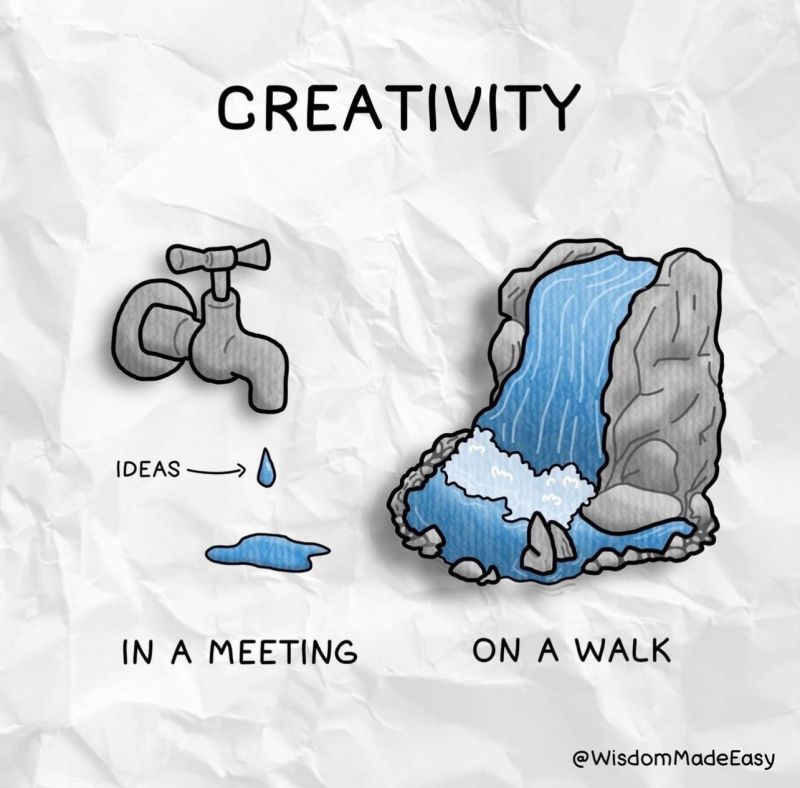
Movement is what some psychologists call "meditation in motion." When you're walking, your mind has space to process, your body releases tension, and creative solutions often emerge naturally.
God created us as integrated beings, body, mind, and spirit all connected. Taking care of your physical body isn't separate from your spiritual health. It's part of it.
4. Take Strategic Breaks (Yes, Real Ones)
Powering through without breaks doesn't make you a hero. It makes you burned out.
Your brain needs recovery time to function well. When you push through exhaustion, your decision-making suffers, your creativity tanks, and your stress compounds. Taking breaks isn't lazy: it's strategic.
Build breaks into your day:
Step away from your desk for at least 30 minutes at lunch
Take short 5-10 minute breaks every 90 minutes
Get outside when possible: natural light and fresh air work wonders
At the end of the workday, mentally disconnect and leave work at work
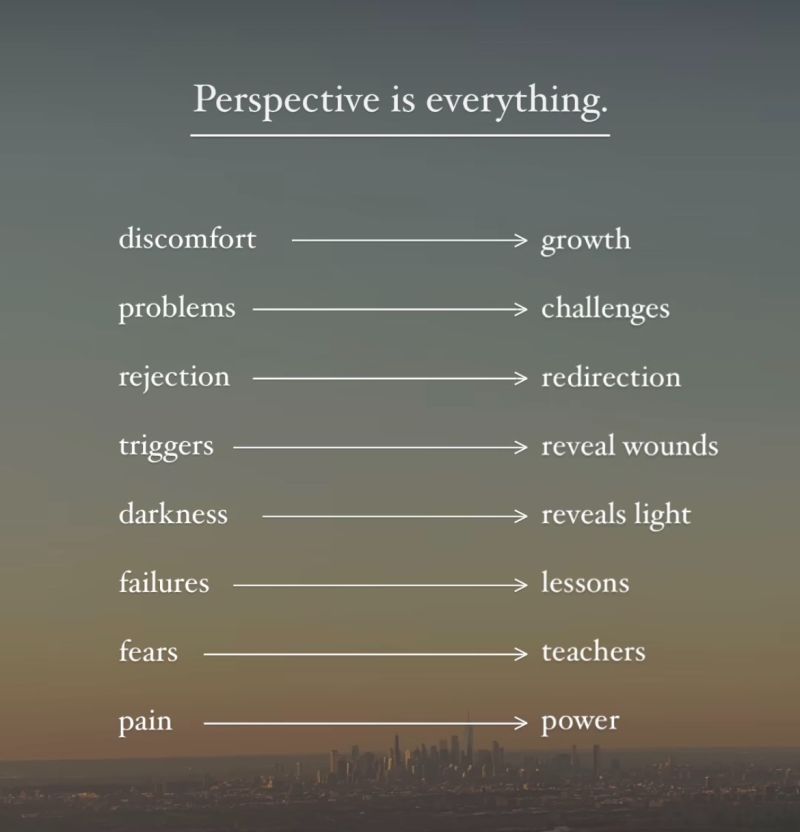
That last point is crucial. If you're mentally reviewing your to-do list while eating dinner with your family, you're not actually resting. Your mind needs boundaries just like your calendar does.
Remember the Sabbath principle? God built rest into the rhythm of creation for a reason. Rest isn't a sign of weakness: it's an act of trust. It says, "I believe God can handle things while I step away."
5. Redesign Your Space and Simplify Your Tasks
Your environment shapes your mental state more than you realize. A cluttered desk creates a cluttered mind. A sterile, lifeless workspace drains your energy. Small changes to your surroundings can have an outsized impact on your peace.
Environmental tweaks that help:
Add a plant to your workspace (greenery has a natural calming effect)
Clear off your desk at the end of each day
Keep only what you need for your current task visible
If possible, personalize your space with something that brings you joy
Beyond your physical space, simplify your mental space too. Instead of keeping a running list of everything you need to do in your head, write it down. Use a simple system to capture tasks so your brain can stop trying to remember everything.
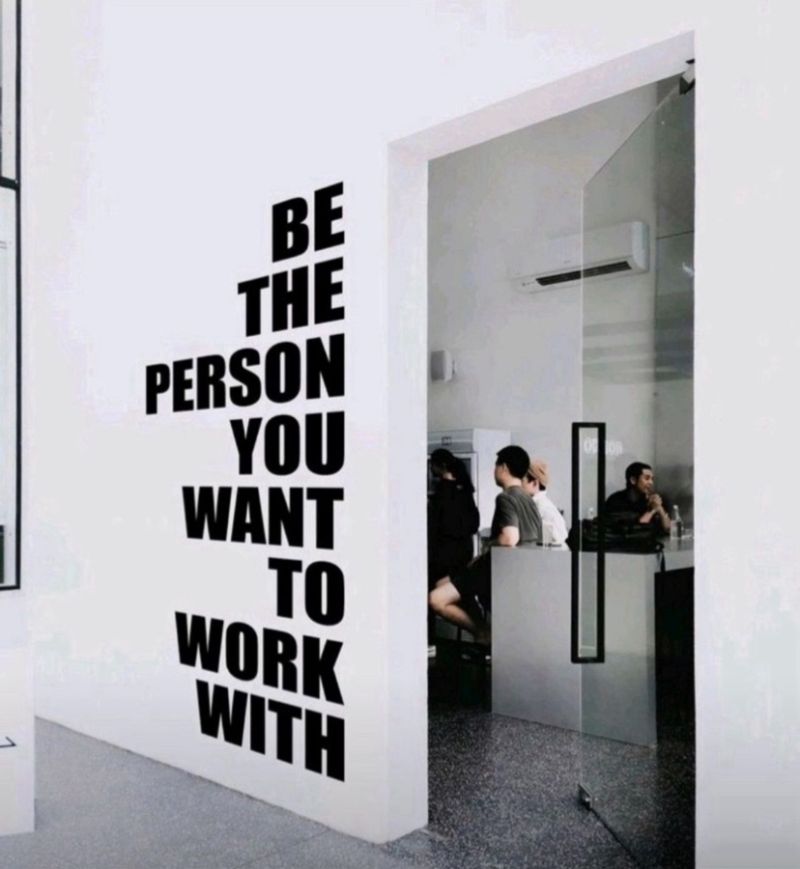
And here's one more tip that often gets overlooked: be kind to your coworkers. Workplace tension multiplies stress exponentially. A little empathy, patience, and grace goes a long way toward creating a calmer environment for everyone: including yourself.
Colossians 3:15 reminds us, "Let the peace of Christ rule in your hearts, since as members of one body you were called to peace." You're not just managing stress for yourself. You're contributing to the atmosphere around you.
Peace Is a Practice, Not a Destination
Reclaiming your peace in a chaotic office isn't a one-time fix. It's a daily practice. Some days you'll nail it. Other days, the chaos will win a few rounds. That's okay.
What matters is that you keep coming back to these principles. Keep breathing. Keep moving. Keep setting boundaries. Keep inviting God into the mess.
Because here's the truth: you can't always control what happens around you, but you can control how you respond. And when you ground yourself in faith, in practical wisdom, and in intentional habits, peace becomes possible: even in the craziest office.
You don't have to figure this out alone. If you're looking for deeper guidance on managing stress, building resilience, and living with purpose, I'd love to walk alongside you.
Visit www.laynemcdonald.com to explore coaching, resources, and next steps for your journey.

$50
Product Title
Product Details goes here with the simple product description and more information can be seen by clicking the see more button. Product Details goes here with the simple product description and more information can be seen by clicking the see more button

$50
Product Title
Product Details goes here with the simple product description and more information can be seen by clicking the see more button. Product Details goes here with the simple product description and more information can be seen by clicking the see more button.
$50
Product Title
Product Details goes here with the simple product description and more information can be seen by clicking the see more button. Product Details goes here with the simple product description and more information can be seen by clicking the see more button.
Comments