7 Signs You're Reading Body Language Correctly at the Church Door
- Dr. Layne McDonald
- Feb 18
- 5 min read

Standing at the church door isn't just about handing out bulletins or pointing people toward the coffee. You're standing at a spiritual intersection where someone's entire week might shift because of a single interaction with you.
Here's something worth sitting with: You may be the first safe human interaction someone has had all week.
That person walking through the door might have just left an argument at home. They might be grieving. They might be wondering if God even sees them anymore. And you, yes, you with the name tag and the warm smile, get to be the hands and feet of Jesus before they even sit down in a pew.
That's why reading body language matters. Not so you can judge people, but so you can meet them exactly where they are.
So how do you know if you're actually picking up on what visitors and members are communicating without words? Here are seven signs you're getting it right.
1. You Notice When Someone Hesitates Before Walking In
A confident church member strolls right through the door without a second thought. But someone who's nervous, visiting for the first time, or carrying emotional weight often pauses.
Maybe they stop to adjust their jacket. Maybe they look around the parking lot a little longer than necessary. Maybe they take a deep breath before stepping inside.
If you catch these small hesitations, you're already reading body language well. These moments are your cue to step forward with intention, not to overwhelm, but to offer a gentle, "Hey, welcome! So glad you're here."
That small acknowledgment can dissolve anxiety faster than you'd think.

2. You Can Tell the Difference Between "I'm Fine" and Actually Fine
People say "I'm good" all the time. But their body often tells a different story.
Watch for:
Crossed arms (protective, closed off)
Avoiding eye contact (shame, sadness, or discomfort)
Tight shoulders or a clenched jaw (stress, tension)
A smile that doesn't reach the eyes (masking pain)
When you recognize these signals, you don't call them out publicly. Instead, you might say something like, "It's really good to see you today," with genuine warmth. You create space for them to feel seen without feeling exposed.
That's emotional intelligence at work, and it's a gift you bring to your role on the door team.
3. You Adjust Your Energy Based on the Person in Front of You
Not everyone needs the same greeting.
Some people light up when you bring big energy: "Hey! So happy you're here! Can I grab you some coffee?"
Others need a quieter approach: a soft smile, a nod, a simple "Welcome."
If you find yourself naturally shifting your tone, volume, and body language to match the person walking through the door, you're doing something powerful. You're mirroring, and it builds instant trust.
This isn't manipulation. It's meeting people where they are. Jesus did it constantly. He spoke differently to the religious leaders than He did to the woman at the well. He adjusted His approach based on who was in front of Him.
You can do the same.

4. You Pick Up on Family Tension Before Anyone Says a Word
Families walk through church doors carrying all kinds of invisible baggage. A couple who argued in the car. A teenager who didn't want to come. A single parent running on three hours of sleep.
You might notice:
Parents and kids walking in separately with distance between them
One spouse walking ahead while the other lags behind
Kids with arms crossed or faces buried in phones
Forced smiles that don't match the energy in the room
When you spot these dynamics, you don't pry. But you can offer extra kindness. A warm word to the teenager. A sincere "You're doing great" to the frazzled mom. A moment of genuine connection with the dad who looks like he'd rather be anywhere else.
You're not fixing their problems. You're just letting them know they're welcome, mess and all.
5. You Recognize When Someone Needs Space (and You Give It)
Here's a truth many greeters miss: sometimes the best hospitality is backing off.
Not everyone wants to be approached immediately. Some people are introverts who need a moment to settle. Others are processing heavy emotions and don't want to make small talk.
Signs someone might need space:
They avoid eye contact deliberately
They walk quickly with their head down
They position themselves away from crowds
They give short, clipped responses
If you notice these signals and choose not to push, you're reading body language correctly. A simple smile and nod says, "I see you, and you're welcome here", without forcing connection they're not ready for.
6. You Catch the "I Have a Question but I'm Afraid to Ask" Look
This one's subtle but important.
Some visitors desperately want to ask something, Where's the bathroom? Where do my kids go? Is there a place to sit alone?, but they don't want to seem clueless or draw attention to themselves.
Watch for:
Eyes scanning the room repeatedly
Hovering near doorways or hallways
Looking at signage but still seeming lost
Opening their mouth slightly like they're about to speak, then stopping
When you spot this, approach gently: "Hey, can I help you find something?" Nine times out of ten, they'll breathe a sigh of relief and say yes.
You just removed a barrier between them and feeling at home in God's house. That matters more than you know.
7. You Leave People Feeling Seen, Not Processed
This is the ultimate sign you're doing it right.
When you're reading body language well, people don't feel like they've just passed through an assembly line. They feel noticed. They feel valued. They feel like someone actually cared whether they showed up.
Christian community isn't built on slick systems or perfect programs. It's built on moments of genuine human connection. And you, standing at that door, create those moments every single week.
Your Role Is Bigger Than You Think
Greeting might seem like a small job, but it's actually frontline ministry.
You set the tone for someone's entire experience. You might be the reason a first-time visitor comes back. You might be the only person who notices that a long-time member is struggling.
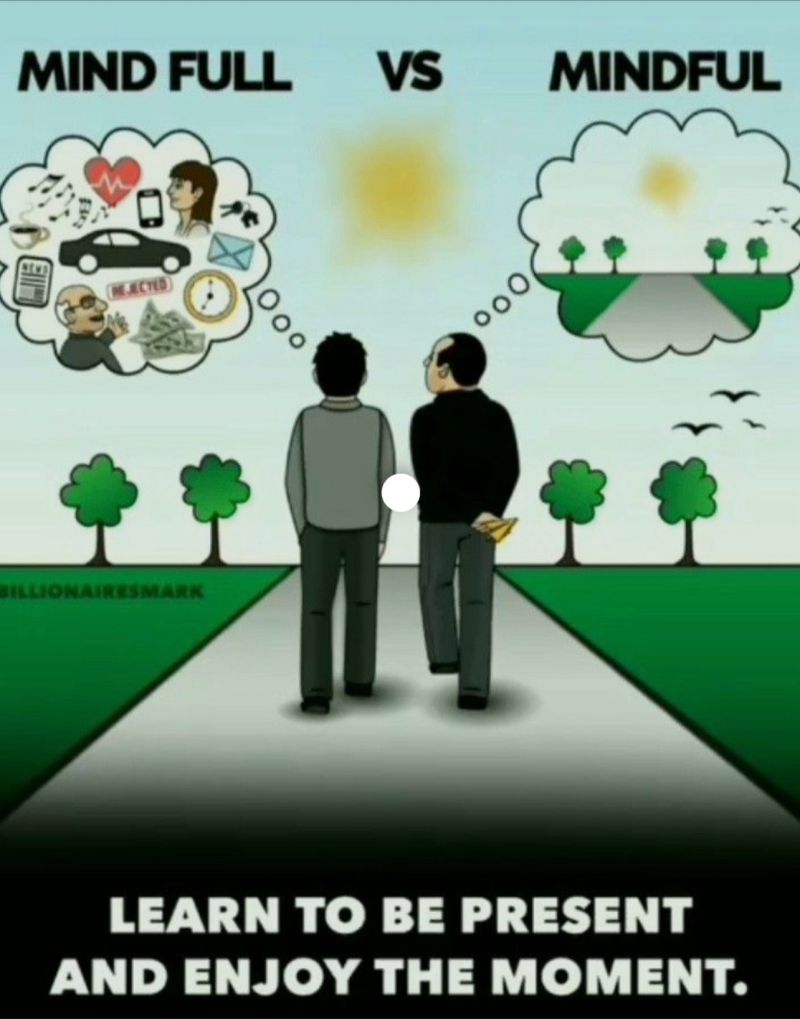
So keep sharpening this skill. Pay attention. Stay present. And remember that every person who walks through that door is carrying a story you can't see.
Your job isn't to fix everyone. It's to make them feel like they belong: even before the music starts.
Want to grow deeper in your leadership and ministry skills? Dr. Layne McDonald offers coaching, workshops, and faith-based resources designed to help you lead with emotional intelligence and spiritual depth. Visit famemphis.org/i-m-new to learn more about getting connected, or explore our Heart to Heart ministry for one-on-one support.
Comments