

Architecture of Belonging: Shifting from Welcome to Witness
- Layne McDonald
- Feb 11
- 4 min read

There's a profound difference between being welcomed and being witnessed. A guest can be welcomed into a building, handed a bulletin, pointed toward the sanctuary, and still walk out feeling completely invisible. But when someone is witnessed, truly seen, valued, and known, everything changes. That's the shift we need to make in our churches.
We've built cultures of welcome. Now it's time to build architectures of belonging.
The Welcome Trap
Most churches have nailed the welcome. We've trained greeters, printed name tags, organized hospitality teams, and stocked the coffee bar. These aren't bad things, they're necessary. But they're not sufficient.
Welcome is transactional. It's a moment. Belonging is relational. It's a movement.
When we focus only on welcome, we create a revolving door. People come, they're greeted warmly, they experience a service, and they leave. Week after week, the same pattern repeats. They're welcomed every single Sunday, but never truly known.
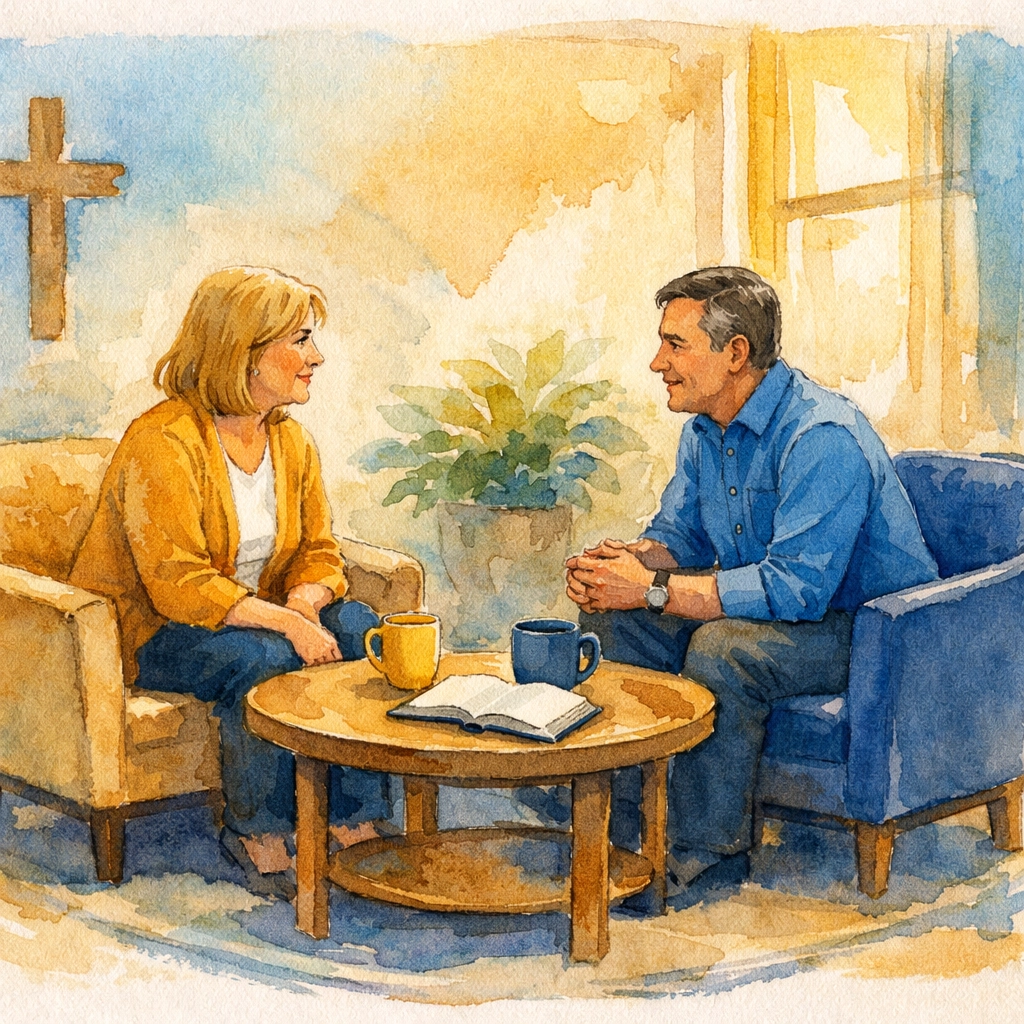
The architecture of belonging requires something different. It requires witness.
What Does It Mean to Witness Someone?
To witness someone is to see them, not just acknowledge their presence, but to truly perceive who they are. It's to recognize their story, their struggle, their sacred worth as a child of God.
Witnessing says: I see you. You matter. Your presence here changes us.
This is what Jesus did constantly. He didn't just welcome the woman at the well, He witnessed her entire story and met her where she was (John 4:1-26). He didn't just welcome Zacchaeus down from the tree, He witnessed his hunger for something more and invited Himself into the man's life (Luke 19:1-10).
Jesus created belonging not by setting up better hospitality systems, but by seeing people the way the Father sees them: as priceless, known, and loved.
The Shift: From Welcome Systems to Witness Culture
So how do we move from welcome systems to witness culture? It requires intentional design, not just of our physical spaces, but of our relational rhythms and leadership structures.
1. Design for Eye Contact, Not Just Efficiency
Most church lobbies are designed for traffic flow. That's important. But belonging happens in the pauses, not the movement.
Create spaces where people naturally slow down. Circular seating areas. Conversation nooks. Even the angle of your chairs matters, when seating faces each other instead of forward, it invites dialogue.
Ask yourself: Are we designing spaces where people can see each other's faces, or just the backs of heads?
2. Train for Depth, Not Just Friendliness
Your team needs more than a script. They need a theology of witness. Teach them to ask the second question. When someone says, "I'm fine," train your leaders to gently say, "How are you really doing?"
This doesn't mean being invasive. It means being present. It means learning to hear what people aren't saying and creating space for them to be honest.

3. Move from Programs to Pathways
Programs are about filling slots. Pathways are about fostering relationships. Instead of asking, "How do we get more people into small groups?" ask, "How do we help people move from unknown to known?"
Create clear, natural relational on-ramps:
Coffee with a pastor or leader after the first visit
Serve-together opportunities before formal membership
Small, short-term groups that lower the barrier to entry
Mentorship connections based on life stage and interest
The goal isn't participation. The goal is connection.
4. Lead with Vulnerability
Witness culture starts at the top. If your leadership team operates behind a polished veneer, your congregation will too. But when leaders share their own struggles, doubts, and growth edges, it gives everyone else permission to be real.
Paul modeled this constantly. He didn't hide his thorn in the flesh (2 Corinthians 12:7-10). He didn't pretend to have it all together. He let himself be witnessed, and in doing so, he created a culture where others could be witnessed too.

The Belonging Ladder: Practical Steps
Here's a simple framework to assess where people are on the journey from stranger to family:
Rung 1: Welcomed They walked in the door. Someone smiled and said hello.
Rung 2: Noticed Someone remembered their name the second time they came.
Rung 3: Invited Someone personally asked them to coffee, to a group, or to serve.
Rung 4: Known Someone knows their story, their job, their kids' names, their current struggle.
Rung 5: Witnessed Someone sees their gifts and calls them out. They feel essential to the body, not just present in it.
Most churches get stuck between Rung 1 and Rung 2. Belonging happens between Rung 4 and Rung 5.
The Heart Behind the Architecture
This isn't about strategy for strategy's sake. It's about stewarding souls. Every person who walks through your doors is a priceless child of God, created in His image, known by name, and invited into the family.
But too many of them don't feel it. They sit in services surrounded by people and feel utterly alone. They serve in ministries and wonder if anyone would notice if they stopped showing up.
That's not the body of Christ. That's an audience pretending to be a family.

The architecture of belonging is about closing that gap. It's about building cultures where people don't just hear that they're loved, they experience it in the fabric of everyday church life.
A Prayer for Leaders
Father, give us eyes to see people the way You see them. Help us move past efficiency and into presence. Teach us to slow down, to ask the deeper question, to make space for the struggling and the unseen.
Let our churches become places where the lonely find family, where the broken find healing, and where every person knows, deeply knows, that they belong to You and to us.
In Jesus' name, amen.
Where Do You Start?
If this resonates with you, start small. Pick one area this week:
Train one leader to ask better questions.
Rearrange one space to encourage conversation.
Personally reach out to someone who's been attending but isn't yet connected.
Belonging doesn't happen overnight. But it does happen: one witnessed soul at a time.
Ready to lead with deeper connection? Visit www.laynemcdonald.com for coaching, resources, and practical tools to build a culture of belonging in your church. Every visit raises funds for families who have lost children through Google AdSense: at no cost to you. Let's build the body of Christ together.
Wix Master Category: Connect Pastor

$50
Product Title
Product Details goes here with the simple product description and more information can be seen by clicking the see more button. Product Details goes here with the simple product description and more information can be seen by clicking the see more button

$50
Product Title
Product Details goes here with the simple product description and more information can be seen by clicking the see more button. Product Details goes here with the simple product description and more information can be seen by clicking the see more button.
$50
Product Title
Product Details goes here with the simple product description and more information can be seen by clicking the see more button. Product Details goes here with the simple product description and more information can be seen by clicking the see more button.
Comments