
Are Christian Leaders Missing the Gaming Revolution? 5 Ways to Minister Where Gen Z Actually Lives
- Dr. Layne McDonald
- Dec 23, 2025
- 5 min read

Your youth pastor just finished another Wednesday night service where only eight teenagers showed up. Meanwhile, three million people are simultaneously playing Fortnite, and millions more are streaming on Twitch, building communities on Discord, and connecting through gaming platforms you've never heard of.
Something doesn't add up.
While churches are struggling to engage Generation Z through traditional methods, an entire generation is gathering, building relationships, and seeking meaning in digital spaces that most Christian leaders have written off as "just games."
The numbers tell a sobering story that demands our attention.
The Staggering Disconnect
Here's the reality Christian leaders need to face: 94% of Gen Z identify themselves as gaming enthusiasts, yet only 4% of Gen Z has a biblical worldview. Even more striking, 75% of Gen Z engages with video games weekly, while only 40% attend church weekly, and that percentage continues to drop.
More than one-third of Gen Z doesn't identify with any religion at all, making them the least religious generation in American history. But here's what's fascinating: they're not less social or less interested in community. They're simply finding it elsewhere.

Gaming platforms have become the new town squares where Gen Z builds friendships, explores identity, processes difficult emotions, and yes: searches for meaning and purpose. While churches debate whether to invest in better sound systems, Gen Z is having deep conversations about life, morality, and truth with strangers who become friends through shared gaming experiences.
The question isn't whether gaming culture is influencing Gen Z: it's whether the church will show up where they already are.
1. Empower the Gamers Already in Your Pews
Stop trying to manufacture what you don't understand. Instead, identify the young people in your church who are already passionate about gaming and digital content creation. These aren't the kids you need to "fix": they're your greatest untapped ministry asset.
Sarah, a 19-year-old in our congregation, has been streaming on Twitch for two years and has built a community of 500 regular viewers. Rather than seeing her gaming as a distraction from "real ministry," we've equipped her with training on how to naturally weave faith conversations into her streams. She's had more authentic spiritual conversations in six months of streaming than many of us have in years of traditional evangelism.
Your role isn't to control their content but to invest in their calling. Provide mentorship, resources, and theological training. Help them see their digital influence as a legitimate ministry platform, not a guilty hobby they need to manage around "real" church activities.

2. Create Real-Time Community Through Gaming
Unlike passive social media scrolling, gaming creates genuine social experiences where relationships develop naturally through shared challenges, teamwork, and real-time communication. This makes gaming platforms incredibly fertile ground for authentic Christian community.
Churches can leverage this by:
• Hosting regular gaming tournaments with prizes and fellowship • Creating Minecraft servers where youth can explore Biblical stories interactively • Organizing team-based games that require communication and cooperation • Setting up gaming nights that naturally transition into discussion and prayer
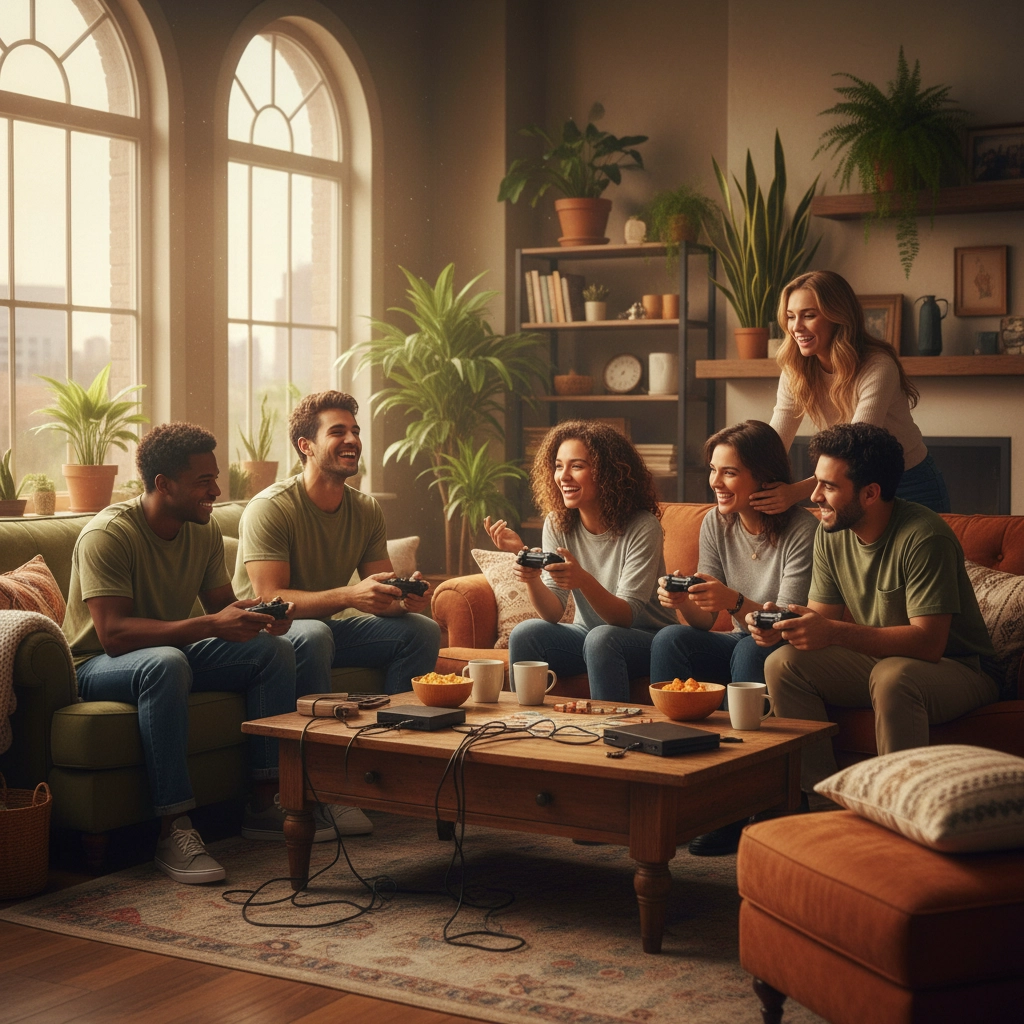
The key is recognizing that the gaming itself isn't just a hook to get to the "real" ministry: it is ministry. When Christian young people are demonstrating patience with struggling teammates, showing grace to opponents, and building encouraging community around shared interests, they're living out their faith in ways their friends can witness.
3. Establish Discord Servers for 24/7 Discipleship
Discord has revolutionized how young people maintain community. Unlike texting or social media, Discord creates persistent spaces where conversations flow naturally throughout the day and night.
A well-moderated Discord server can facilitate:
• Daily devotionals and Bible discussions • Prayer request channels where young people support each other in real-time • Gaming coordination that builds deeper relationships • Safe spaces to ask faith questions without judgment • Connection with adult mentors who are available when needed
The beauty of Discord is that discipleship becomes conversational rather than scheduled. When a teenager is struggling with anxiety at 11 PM on a Tuesday, they can find immediate support and prayer from their church community instead of suffering alone until the next scheduled youth group meeting.
4. Develop Faith-Based Gaming Content and Experiences
Creative projects like Land of Promise: a faith-based Minecraft server where players can explore Biblical scenes: demonstrate how the gospel can be coupled with what young people love about gaming. These immersive experiences allow Gen Z to engage with Scripture through interactive storytelling and creative exploration.
Consider developing:
• Story-driven games that explore Biblical narratives • Virtual reality experiences of Biblical locations • Gaming tournaments with themes around Christian virtues • Collaborative building projects that require teamwork and reflect Kingdom values
The goal isn't to create "Christian versions" of popular games, but to create genuinely engaging experiences that happen to be rooted in faith. Gen Z can spot inauthentic content immediately, so whatever you create needs to be actually fun and well-made, not just spiritually correct.
5. Focus on Authentic Presence Over Polished Production
Here's what many churches get wrong: they think they need to match the production value of major gaming influencers. Gen Z isn't looking for another polished performance: they're desperate for genuine relationships with adults who actually understand their world.
Consistency matters more than quality. A youth pastor who shows up regularly in gaming spaces, learns the culture, asks genuine questions, and builds trust will have far more influence than expensive equipment or professional streaming setups.
This means:
• Recruiting and training leaders who are genuinely interested in gaming, not forcing reluctant adults into these spaces • Learning to speak the language of gaming culture authentically • Showing up consistently rather than sporadically • Being patient with the relationship-building process • Focusing on listening and understanding before trying to teach or correct
Gen Z has finely-tuned authenticity detectors. They can immediately tell when an adult is performing interest in gaming versus when someone genuinely cares about their world. The difference between the two approaches will determine whether your ministry efforts are received or rejected.
The Bigger Picture: Going Where They Are
The fundamental shift required isn't just tactical: it's philosophical. Instead of asking young people to leave their world and enter the church's world, churches must go where Gen Z actually lives. This doesn't mean abandoning in-person ministry or traditional spiritual disciplines. It means using digital platforms and gaming spaces to build relationships that enhance and complement physical community.
The good news is that Gen Z is searching for exactly what the church offers: authentic community, lasting purpose, and unshakeable truth. They're not finding these in traditional church settings, but they're actively seeking them in the spaces where they spend their time.
Gaming communities already understand the power of shared mission, teamwork, perseverance through difficulty, celebration of growth, and supporting each other through challenges. These are profoundly Christian concepts that we can build upon rather than compete against.
For Christian leaders willing to invest in gaming spaces and digital communities, this generation represents an enormous and eager mission field. They're not anti-church: they're pro-authentic community. They're not anti-faith: they're pro-genuine relationship with people who understand their world.
The gaming revolution isn't something happening to Gen Z: it's something they're creating. The question is whether Christian leaders will join them in building Kingdom community in the spaces where they're already gathering, or continue wondering why they won't come to us.
Ready to bridge the gap between traditional ministry and digital spaces? Our coaching programs at Layne McDonald Ministries help church leaders develop authentic strategies for engaging Gen Z where they actually live. Don't let another generation slip away while the church catches up to where they've already been. Let's explore how your ministry can meet young people in the digital mission fields they're creating every day.
Comments