
Are You Confusing Self-Improvement with Spiritual Growth? Here's the Truth
- Dr. Layne McDonald
- Jan 29
- 5 min read

You wake up at 5 AM, drink your green smoothie, journal three pages of gratitude, meditate for twenty minutes, and post an inspirational quote on Instagram. By 6 AM, you're already crushing your morning routine and feeling pretty spiritually enlightened.
But here's the uncomfortable question: Are you actually growing in Christ, or just becoming a really organized, optimistic version of yourself?
If you've ever wondered whether your self-improvement journey is leading you closer to God or just making you feel better about staying in control, you're asking the right question. Because here's what Dr. Layne McDonald, acclaimed pastor, professional coach, and published author, has discovered through years of ministry: most Christians are accidentally substituting self-help for spiritual transformation: and missing out on the real power that comes from surrendering to Christ.
The Great Mix-Up: When Good Habits Become God Substitutes

The confusion is understandable. Both self-improvement and spiritual growth involve change. Both require discipline. Both promise a better life. But that's where the similarities end, and the differences become game-changing.
Self-improvement asks, "How can I become the best version of myself?" Spiritual growth asks, "How can I become more like Jesus?"
One puts you in the driver's seat. The other requires you to hand over the keys.
Think about it this way: self-improvement is like renovating your house: you're working with the same foundation, just making it prettier and more functional. Spiritual growth is like getting a completely new address in God's kingdom. Same you, but entirely new zip code.
Dr. Layne McDonald puts it this way in his transformational coaching: "Self-help says 'trust yourself.' Christ-centered transformation says 'trust God with yourself.' The first leads to burnout. The second leads to breakthrough."
The Self-Help Trap: Why Your Best Life Now Might Not Be Your Best Life Ever
Here's where things get tricky for well-meaning Christians. The self-help industry has borrowed heavily from biblical principles: gratitude, positive thinking, goal-setting, personal responsibility. These aren't bad things! But when we separate these tools from their source in Christ, we end up with spiritual junk food: it tastes good going down, but it doesn't actually nourish our souls.
Self-improvement focuses on:
Managing your emotions better
Building better habits
Increasing your productivity
Boosting your confidence
Achieving your personal goals
Looking good to others (and yourself)
Christian spiritual growth centers on:
Surrendering your will to God's will
Being transformed by the Holy Spirit
Dying to yourself daily
Finding your identity in Christ alone
Pursuing God's purposes over personal ambitions
Becoming more loving, not just more successful
The self-improvement path says, "You have everything you need inside you already." The spiritual growth path says, "You need Jesus, and that's the best news ever."
Why Smart Christians Fall for the Switch
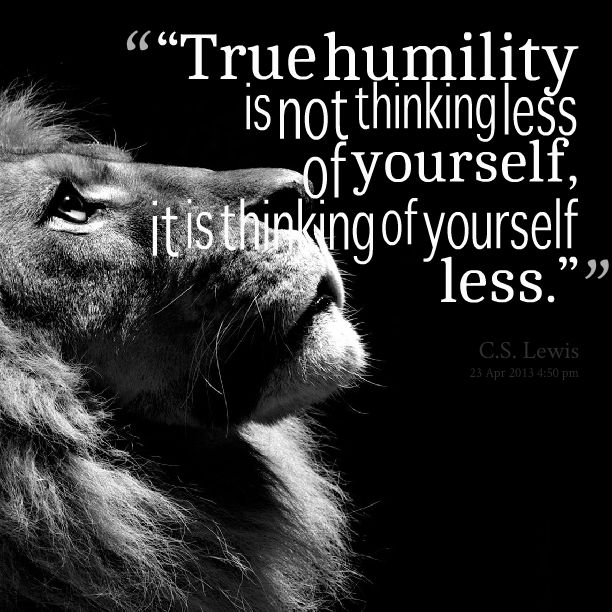
You're not dumb if you've confused the two. The enemy is clever, and he loves to offer us almost-right alternatives to the real thing. Here's why the mix-up happens so easily:
It feels more comfortable. Self-improvement lets you stay in control. You can measure progress, track habits, and feel accomplished. Spiritual growth often involves waiting, surrendering, and admitting you don't have it figured out. That's scary for high-achievers.
It delivers faster results. Start a morning routine, and you'll feel more organized within a week. True spiritual transformation? That's a lifelong process with lots of ups, downs, and "am I even making progress?" moments.
It gets more applause. People praise discipline, success, and positive attitudes. They're less enthusiastic about conversations involving brokenness, dependence on God, and dying to self.
It requires less faith. Self-improvement depends on your willpower and strategies. Spiritual growth requires trusting an invisible God to do invisible work in your heart. One feels safe; the other requires scary levels of trust.
The Real Difference: Effort vs. Surrender
Here's the key distinction that Dr. Layne McDonald teaches in his video courses and coaching sessions: Self-improvement is about what you can accomplish. Spiritual growth is about what God accomplishes through your surrender.
Self-improvement is human effort trying to upgrade human nature. You're essentially polishing brass on the Titanic: making improvements to something that's still fundamentally sinking.
Spiritual growth is allowing God to give you a new nature entirely. It's not renovation; it's resurrection. Not improvement; it's transformation. Not trying harder; it's trusting deeper.
Think about the difference between a caterpillar trying really hard to become a better caterpillar (faster crawling, prettier colors, more confident worming) versus surrendering to the process of becoming a butterfly. One is self-improvement. The other is metamorphosis.
How to Tell Which Path You're On

Still not sure if you're pursuing self-improvement or spiritual growth? Here are some honest diagnostic questions:
When you fail or struggle, what's your first instinct?
Self-improvement: "I need to try harder, find a better system, or read another book."
Spiritual growth: "I need to confess this to God and ask for His help."
What drives your pursuit of change?
Self-improvement: Fear of failure, desire for control, need to impress others
Spiritual growth: Love for God, gratitude for salvation, desire to honor Christ
How do you measure progress?
Self-improvement: External metrics, habits tracked, goals achieved
Spiritual growth: Increased love, joy, peace, patience: and deeper awareness of your need for grace
What happens when your strategies don't work?
Self-improvement: Frustration, guilt, searching for new techniques
Spiritual growth: Prayer, seeking God's timing, trusting His process
Who gets the credit for positive changes?
Self-improvement: You do (with maybe a little thanks to God)
Spiritual growth: God does (with gratitude for the privilege of being used by Him)
The Christ-Centered Alternative: Christian Self-Betterment That Actually Works

Don't hear what I'm not saying. God cares about your whole life: your habits, goals, relationships, and personal development. The question isn't whether you should grow and improve. The question is: Will you pursue Christian personal growth rooted in biblical truth, or secular self-improvement disguised with Christian language?
Here's what Christian self-betterment looks like when it's done right:
Start with identity, not behavior. Before you try to change what you do, remember who you are in Christ. You're not a sinner trying to become good enough for God. You're a beloved child of God learning to live out your true identity.
Pursue holiness, not just happiness. Self-improvement chases feelings. Christian growth chases Christlikeness. Sometimes that means choosing obedience when it doesn't feel good.
Depend on the Holy Spirit, not willpower. Your best efforts will eventually fail. The Holy Spirit's power never will. Learn to pray through challenges instead of just pushing through them.
Focus on heart transformation, not just habit formation. Habits are tools, but heart change is the goal. Ask God to transform your desires, not just your disciplines.
Measure success by love, not achievements. The fruit of the Spirit: love, joy, peace, patience, kindness, goodness, faithfulness, gentleness, self-control: these are your real progress indicators.
Your Next Steps: Moving from Self-Help to Spirit-Help
Ready to pursue authentic spiritual growth instead of Christian-flavored self-improvement? Here's how to start:
The Bottom Line: It's Not About You (And That's Good News)
The beautiful truth is that spiritual growth isn't ultimately about you becoming better. It's about you becoming more like Jesus. And unlike self-improvement, which depends entirely on your consistency and capability, spiritual transformation is guaranteed because it depends on God's faithfulness, not your performance.
Dr. Layne McDonald's ministry has helped thousands discover this life-changing difference. Through his books, coaching, and video courses, he guides Christians away from the exhausting treadmill of self-improvement toward the transformative journey of finding yourself in Christ.
Your identity, purpose, and growth don't depend on how well you execute your morning routine or stick to your goals. They depend on a God who loves you enough to make you new from the inside out.
Ready to stop confusing self-improvement with spiritual growth? Connect with Dr. Layne McDonald's transformational coaching and discover what Christian personal growth looks like when it's rooted in biblical truth instead of cultural trends. Visit our leadership resources to explore books, coaching, and courses designed to help you find your true identity in Christ: not in your achievements.
Because the best version of yourself isn't actually yourself at all. It's you transformed by the power of Jesus.
Comments