
Beyond Friendliness: Why Presence is the Key to Church Culture
- Dr. Layne McDonald
- Mar 12
- 4 min read

You can train your greeters. You can perfect your welcome process. You can even get the coffee station just right. But if your church culture stops at friendliness, you're building on sand.
Here's what I've learned after years of church leadership: the difference between a friendly church and a transformational church isn't found in Sunday morning smiles. It's found in the Monday through Saturday presence your people establish in the community.
The Friendliness Trap
Many churches mistake atmosphere for impact. We invest heavily in creating welcoming environments, nice lobbies, trained greeters, excellent signage. These things matter, don't get me wrong. But they're entry points, not destinations.
The challenge is that modern culture doesn't naturally draw people into church buildings anymore. Your neighbors aren't waiting for an invitation to Sunday service. They're watching to see if your faith makes any practical difference in the real world.
Friendliness creates a pleasant experience for people who show up. Presence creates the conditions where people want to show up in the first place.

What Presence Actually Looks Like
Presence isn't a program you run. It's a posture you adopt. When we talk about church leadership and culture architecture, we're really talking about how your church shows up, literally: in your community.
Presence means your people are serving within four to six feet of others in the neighborhood. It's tutoring kids at the local school. It's providing English classes for immigrant families. It's running a food pantry that actually meets needs instead of salving guilt.
This kind of engagement changes everything. It shifts your church from being a destination people visit to being a presence people experience throughout their week.
Here's the practical difference:
The Incarnational Foundation
There's solid theology behind this approach. God didn't send us an invitation to visit heaven. He entered into our neighborhood. The incarnation: God becoming flesh and dwelling among us: is the ultimate model of presence over performance.
Jesus didn't establish a temple outreach program. He walked dusty roads. He attended weddings. He ate with tax collectors. He touched lepers. His ministry was marked by physical proximity and active engagement with real human need.

When your church culture reflects this incarnational posture, you're not just being strategic. You're being biblical. You're demonstrating that the gospel isn't just good news: it's news that does good.
This transforms how your community perceives your message. People give you a hearing because they've seen your heart. They consider your words because they've witnessed your works.
Building a Culture of Presence
So how do you shift from friendly to present? It starts with leadership conviction and filters down through intentional culture architecture.
First, audit your current posture. Ask yourself: What percentage of our church's energy goes into Sunday experiences versus community engagement? If you're investing 90% of your resources into weekend services and 10% into community presence, you've identified the problem.
Second, empower decentralized service. You don't need to create massive church programs. You need to release your people to serve in existing community structures. Teachers should engage their schools. Business owners should bless their employees. Neighbors should know their neighbors.
Third, measure what matters. Stop counting only butts in seats. Start celebrating stories of presence: the single mom your member helped with groceries, the international student who learned English through your class, the neighborhood that's different because your people showed up.
The Cultural Ripple Effect
When presence becomes your church's default posture, the culture shifts in powerful ways.
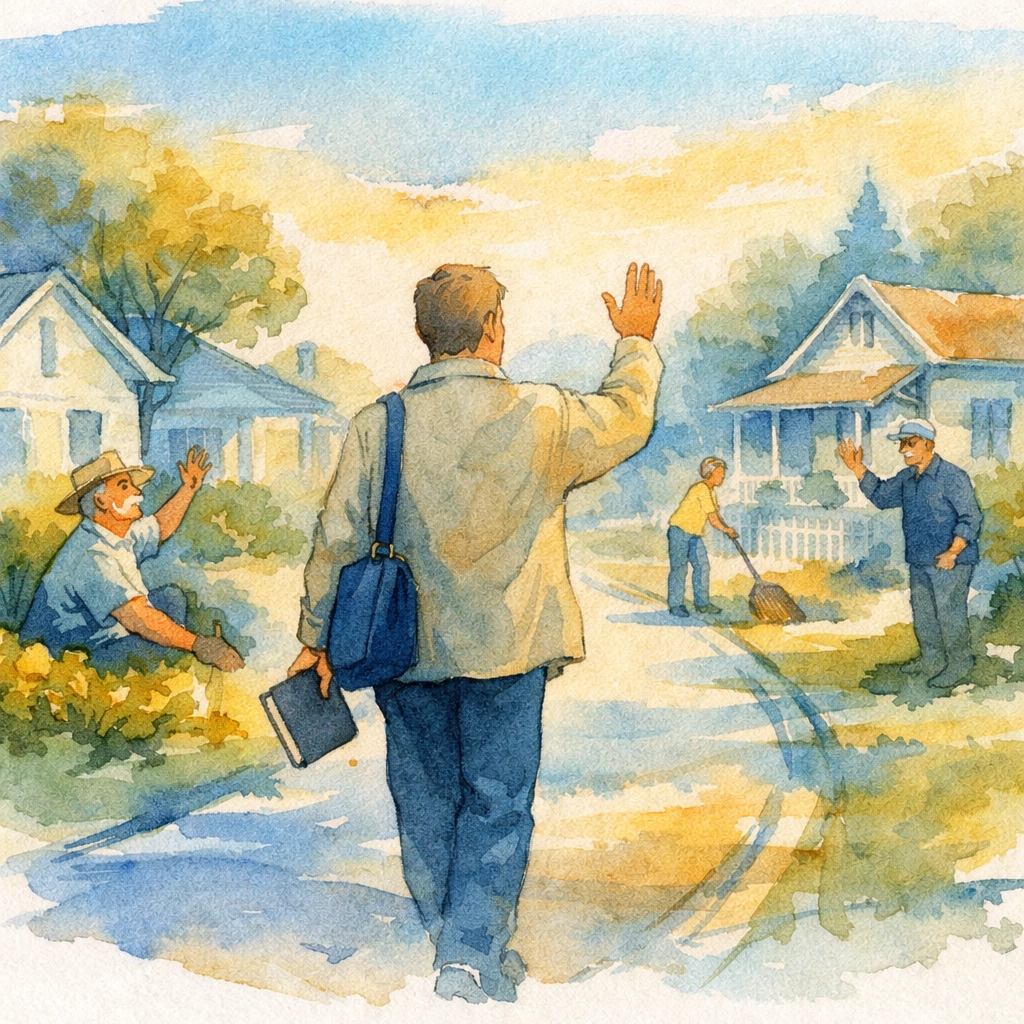
Your members stop seeing themselves as church attenders and start identifying as kingdom ambassadors. They understand their Monday through Friday lives aren't preparation for Sunday: they're the mission field where Sunday's truths get lived out.
Your community stops seeing your building as a closed system and starts recognizing your people as neighbors who genuinely care. Trust builds. Walls come down. Conversations happen that never would've occurred through invitation alone.
Your leadership team stops obsessing over growth tactics and starts focusing on kingdom impact. You're not trying to get more people to come to you. You're equipping more people to go out from you.
This is culture architecture at its finest: building a framework where transformation happens naturally because the foundational values are sound.
From Performance to Presence
The shift from friendliness to presence isn't a criticism of hospitality. Warm welcomes matter. But they're not enough.
If we want to be effective for Christ, we have to go where the people are. We have to ensure the gospel is seen to be good before we ask people to believe it's true.
This requires courage from church leadership. It's easier to perfect Sunday systems than to release people into messy community engagement. It's more controlled to run programs than to empower scattered service.
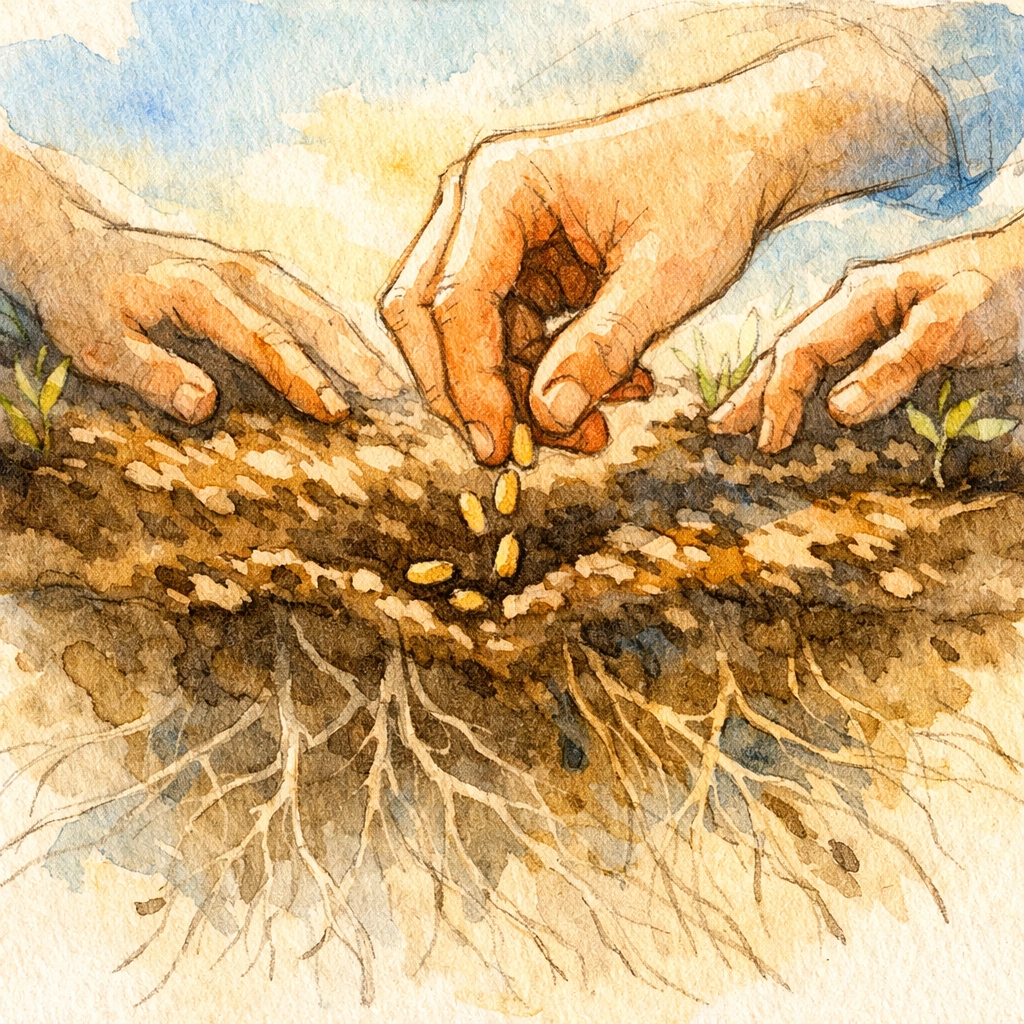
But the churches that are making genuine kingdom impact aren't the ones with the slickest services. They're the ones with the deepest roots in their communities.
Your Next Step
Culture doesn't change through announcements. It changes through consistent modeling and patient reinforcement. As a leader, your job is to cast vision, celebrate examples, and remove barriers that keep your people from being present in their communities.
Start small. Identify one area where your church could establish meaningful presence. Maybe it's partnering with a local school. Maybe it's addressing food insecurity. Maybe it's simply training your people to know their neighbors' names and needs.
Then lead the way. Don't just preach presence: practice it. Let your people see you serving in the community, building relationships beyond church walls, demonstrating that your faith has feet.
The culture you're building today determines the church you'll be tomorrow. Make it count.
If you're ready to move beyond surface-level friendliness and build a culture of transformational presence, I'd love to walk with you through that journey. Leadership coaching, strategic planning, and practical resources are available at www.laynemcdonald.com.
Your community is waiting for a church that shows up, not just invites in. Be that church.
Comments