
Breaking Through Legacy Church Barriers: Part 3 – From Lost in the Gap to Known and Called By Name
- Dr. Layne McDonald
- Dec 30, 2025
- 6 min read

Sarah attended First Community Church for three months. She came faithfully every Sunday morning, signed up for the new members class, and even volunteered for the fall festival. Then one week, she didn't show up. Then another week passed. By the fourth week of absence, Sarah had already decided she wasn't coming back.
The heartbreaking part? Nobody noticed she was gone until two months later when someone found her name on an old volunteer list and wondered, "Whatever happened to Sarah?"
This scenario plays out in churches across America every single week. Good people, hungry for community and spiritual growth, slip through the cracks not because the church doesn't care, but because the church doesn't have systems in place to catch them when they fall.
The Gap Where People Get Lost
In legacy churches, the "lost in the gap" problem often stems from assumptions rather than indifference. Long-time members assume someone else is following up. New visitors assume they're not important enough to be missed. Leaders assume their open-door policy is enough to keep people connected.
But assumptions create gaps, and gaps create casualties in our congregations.
The truth is, most churches lose people not because of doctrinal disagreements or major conflicts. They lose people because those individuals simply felt invisible. They attended, participated to some degree, then gradually faded away without anyone reaching out to understand why.

Why Traditional Follow-Up Methods Fall Short
Many legacy churches rely on outdated systems that worked when the congregation was smaller and tighter-knit. The pastor knew everyone by name, and if someone was missing, it was immediately obvious. But as churches grow: or as long-standing relationships become insular: these informal systems break down.
Here are the most common follow-up failures:
The "Someone Else Will Do It" Mentality When responsibility isn't clearly assigned, nobody takes responsibility. The greeter thinks the Sunday school teacher is following up. The Sunday school teacher thinks the pastor is handling it. The pastor thinks the care team is on it. Meanwhile, nobody is actually making contact.
The "They'll Come Back When They're Ready" Approach This hands-off philosophy sounds respectful, but it often masks fear of being perceived as pushy. The reality is that most people who stop attending want someone to notice and care enough to reach out.
The "One and Done" Contact Method Sending a single "We missed you" card or making one phone call isn't enough. People need to know they're consistently valued, not just checked off a list.
The "Leadership Only" Model When only pastors or official leaders handle follow-up, the system becomes overwhelmed and impersonal. People need to be contacted by peers, friends, and fellow participants: not just authority figures.

Building Failsafe Communication Systems
Creating effective follow-up systems requires intentional planning and multiple safety nets. Here's how to build communication loops that ensure no one falls through the cracks:
The 48-Hour Rule
Implement a church-wide policy that if someone misses their regular commitment (Sunday service, small group, volunteer position) for two consecutive weeks, someone contacts them within 48 hours of the second absence.
This isn't about being controlling: it's about being caring. Train your contact people to reach out with genuine concern, not guilt or pressure.
Sample contact script: "Hey [Name], I noticed we haven't seen you the last couple of weeks. I wanted to reach out and make sure everything's okay with you and your family. We've missed having you with us. Is there anything we can do to support you right now?"
The Three-Touch System
For every person who visits your church or joins a ministry, create three natural connection points:
Immediate touch (within 24 hours): Personal thank you and welcome
One-week follow-up: Check on their experience and invite to next steps
One-month check-in: See how they're settling in and address any concerns
The Buddy System for New Members
Pair every new member with an established member who commits to regular contact for the first six months. This isn't formal mentoring: it's friendship with intention.
The buddy's role is to:
Make weekly contact (text, call, or in-person)
Introduce them to other church members
Help them navigate church culture and activities
Alert leadership to any concerns or needs

Training Leaders to Notice and Respond
The best follow-up systems in the world won't work if your leaders aren't trained to recognize when someone is disconnecting. Here are key skills every church leader needs:
Attendance Awareness
Train ministry leaders to notice patterns, not just presence. Someone who goes from front-row regular to back-row occasional is sending signals. Someone who used to volunteer eagerly but now just attends is communicating something.
Create simple tracking methods:
Weekly attendance sheets for small groups and ministries
Monthly review of participation patterns
Quarterly "connection assessments" for regular attendees
Conversation Skills for Connection
Teach leaders how to have meaningful follow-up conversations that go beyond surface-level pleasantries:
Instead of: "How are you doing?" Ask: "What's been the best part of your week?"
Instead of: "We missed you Sunday." Say: "I was hoping to catch up with you after service last week. How has everything been going?"
Instead of: "Hope to see you next week." Offer: "What would help make Sunday mornings work better for your family right now?"
Creating Multiple Entry Points for Communication
Don't rely solely on Sunday morning interactions. Create various opportunities for connection:
Mid-week text check-ins
Social media engagement
Coffee shop meetings
Phone calls during the week
Handwritten notes
Email updates with personal messages
Technology Tools for Staying Connected
Modern churches need modern solutions. Consider implementing:
Church Management Software Systems like Planning Center, ChurchTrac, or Simple Church CRM can automatically flag attendance patterns and prompt follow-up actions.
Group Messaging Platforms WhatsApp groups, GroupMe, or church-specific apps can keep ministry teams connected throughout the week.
Automated Reminder Systems Set up automatic reminders for leaders to check in with their teams, not to replace personal connection but to ensure it happens consistently.
Making Follow-Up Feel Natural, Not Forced
The goal isn't to create a system that feels mechanical or invasive. People can sense when contact is genuine versus when someone is just completing a task.
Train for Heart, Not Just Process
Before teaching your team what to do, help them understand why they're doing it. When leaders genuinely care about people, their follow-up feels like friendship, not duty.
Personalize Every Interaction
Generic messages feel generic. Train your team to reference specific conversations, shared experiences, or personal details that show they truly know and remember the person they're contacting.
Focus on Relationship, Not Attendance
The goal of follow-up isn't to guilt people into coming back: it's to maintain relationship regardless of their attendance pattern. Some people may be dealing with seasons of life that make regular attendance difficult, but they still need to know their church family cares.
Measuring Success in Connection
How do you know if your follow-up systems are working? Track these metrics:
Percentage of first-time visitors who return within four weeks
Length of time between someone's last attendance and first contact
Number of people who re-engage after a follow-up conversation
Feedback from members about feeling cared for and connected
Retention rates of new members after six months and one year
Taking Action in Your Church
Start implementing these changes gradually:
Week 1: Audit your current follow-up methods and identify gaps Week 2: Train a small team of leaders on new contact procedures Week 3: Implement the 48-hour rule for one ministry area Week 4: Expand the system church-wide and gather feedback
Remember, the goal isn't perfection: it's progress. Even if your systems catch half the people who might otherwise slip away, you've made a significant impact on individual lives and your church's health.
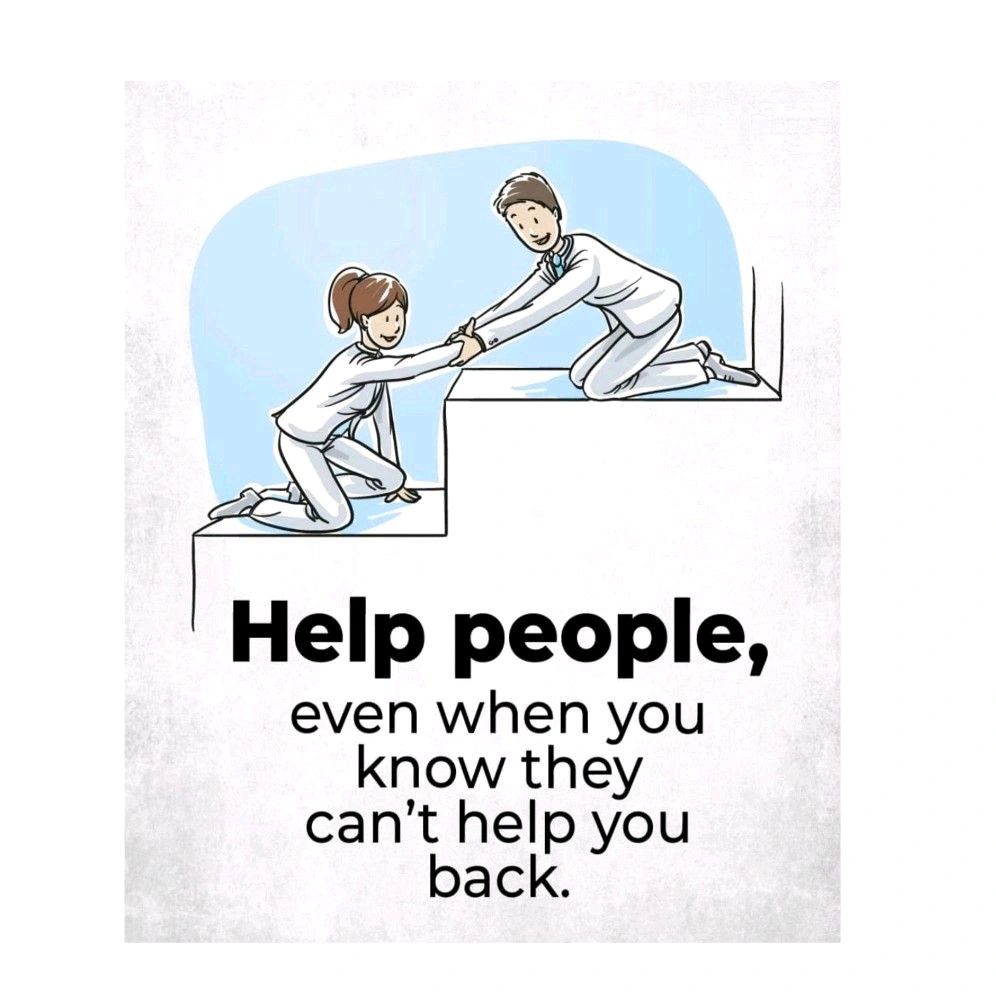
When people feel known and called by name, they don't just attend your church: they become part of your church. And that transformation from visitor to family member happens one intentional connection at a time.
Ready to close the gaps in your church's connection system? Start with one person, one follow-up, one genuine conversation. Your church family depends on it, and so do the Sarahs who are waiting to know they matter.
If you're a church leader looking to strengthen your community connections and leadership skills, Dr. Layne McDonald offers personalized coaching and workshops specifically designed for ministry leaders. Contact us today to learn how we can help your church become a place where no one gets lost in the gap.
Comments