Building Trust Before Asking for Commitment: The Heart of a Connected Leader
- Dr. Layne McDonald
- Feb 28
- 4 min read


You've seen it happen. A leader steps into a room, rolls out a big vision, and immediately starts asking people to jump on board. Maybe they want volunteers for a new initiative. Maybe they're launching a capital campaign. Maybe they need the team to sacrifice weekends for a major project.
And the response? Crickets. Polite nods. Maybe a few half-hearted commitments that evaporate within two weeks.
Here's the thing most leaders miss: commitment is the fruit, not the root. And trust? Trust is the soil where everything grows.
If you want people to follow you into the fire, to give their best energy, their creativity, their time, you've got to earn that first. You've got to build something real before you ask for something big.
Why Trust Always Comes Before Commitment
Think about it from the other side of the table. When someone asks you to commit to something significant, what's the first thing your brain does? It runs a quick assessment: Do I trust this person? Have they proven themselves? Will they protect me if things go sideways?
This isn't cynicism. It's wisdom. And it's exactly how the people you lead think too.
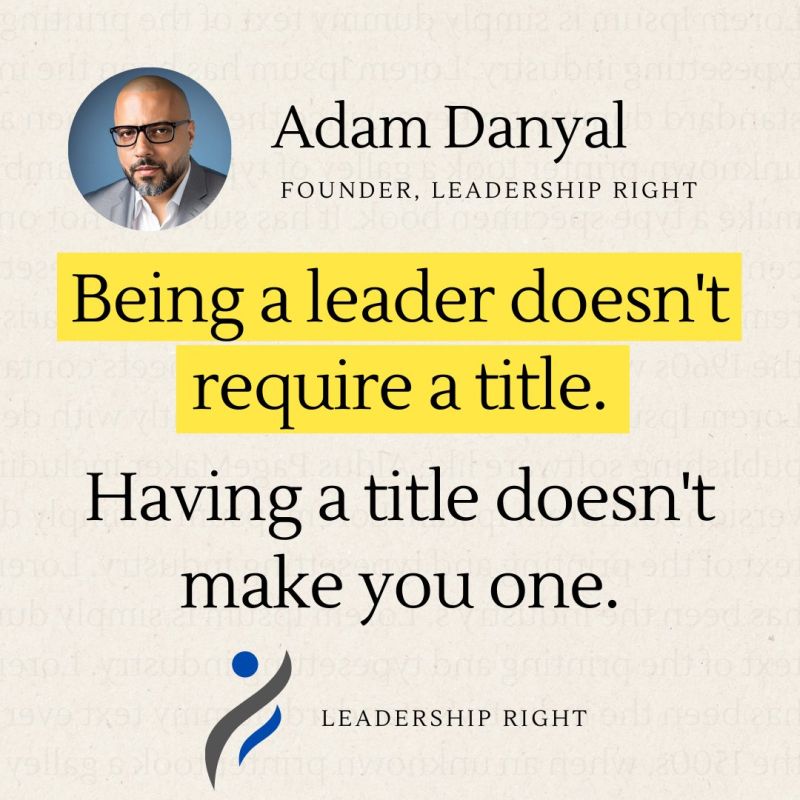
When trust is missing, people go into self-protection mode. They hold back their best ideas. They give you the minimum effort required. They mentally check out while physically showing up.
But when trust is present? Everything changes.
People take risks because they know you've got their back
Creativity flows because failure won't be punished
Energy multiplies because people feel genuinely valued
Commitment becomes natural instead of forced
Jesus understood this perfectly. Before He asked the disciples to leave everything and follow Him, He demonstrated who He was. He healed. He taught. He showed compassion. He built relationship. The commitment came after the trust was established.
The Four Pillars of Trust-First Leadership
So how do you actually build trust before asking for commitment? Here are four practices that separate connected leaders from disconnected ones.
1. Show Up With Genuine Curiosity
People can smell fake interest from a mile away. When you ask someone how they're doing, do you actually wait for the answer? Or are you already thinking about the next meeting on your calendar?
Connected leaders cultivate genuine curiosity about the people they serve. They remember names. They ask follow-up questions. They notice when someone seems off and check in privately.
This isn't a technique, it's a posture. And it communicates something powerful: You matter to me as a person, not just as a resource.

2. Communicate With Radical Transparency
Uncertainty breeds anxiety. When people don't know what's happening, they fill the gaps with worst-case scenarios.
Trust-building leaders over-communicate. They share the "why" behind decisions, not just the "what." They admit when they don't have all the answers. They invite input before decisions are finalized, not after.
This doesn't mean you have to share everything. It means you share as much as you appropriately can, as clearly as you can, as often as you can.
3. Keep Your Word, Especially in Small Things
Here's a leadership secret most people overlook: big trust is built through small promises kept.
When you say you'll follow up by Thursday, do it by Wednesday. When you commit to being at someone's event, show up. When you promise to consider their idea, actually consider it.
Every kept promise is a deposit in the trust bank. Every broken promise, no matter how small, is a withdrawal. Over time, those transactions add up.

4. Create Safety for Failure
This one takes courage. Most leaders say they want innovation and risk-taking, but then they punish the first person who tries something new and fails.
Connected leaders create environments where people can experiment, mess up, learn, and grow. They celebrate the attempt, not just the outcome. They share their own failures openly.
When people know they can fail without being shamed or sidelined, they start bringing their whole selves to the work. That's when the magic happens.
The Business Case Meets the Biblical Case
Some leaders wonder if all this trust-building stuff actually works in the real world. Does it produce results? Or is it just "soft skills" fluff?
The research is clear: high-trust teams outperform low-trust teams across virtually every metric. They collaborate better. They innovate faster. They stick around longer. They navigate challenges with resilience instead of panic.
But here's what excites me even more than the research: this approach is deeply biblical.
Scripture is packed with examples of leaders who earned trust before asking for commitment. Nehemiah spent time weeping, praying, and preparing before he asked people to rebuild Jerusalem's walls. Paul invested years in relationships before asking churches to support his mission. And Jesus, the ultimate leader, spent three years building trust with twelve men who would eventually turn the world upside down.
God's design for leadership has always been relational, not transactional. When we lead this way, we're not just being effective, we're reflecting the heart of the Father.
Practical Steps You Can Take This Week
Ready to become a more connected leader? Here are five concrete actions you can implement starting today:
Schedule three "coffee conversations" this month with people on your team, no agenda, just genuine connection
Write a handwritten note to someone you've been meaning to encourage
Review your recent promises and make sure every one of them has been kept or addressed
Share one recent failure with your team and what you learned from it
Ask for feedback on a decision before you finalize it, and actually incorporate what you hear
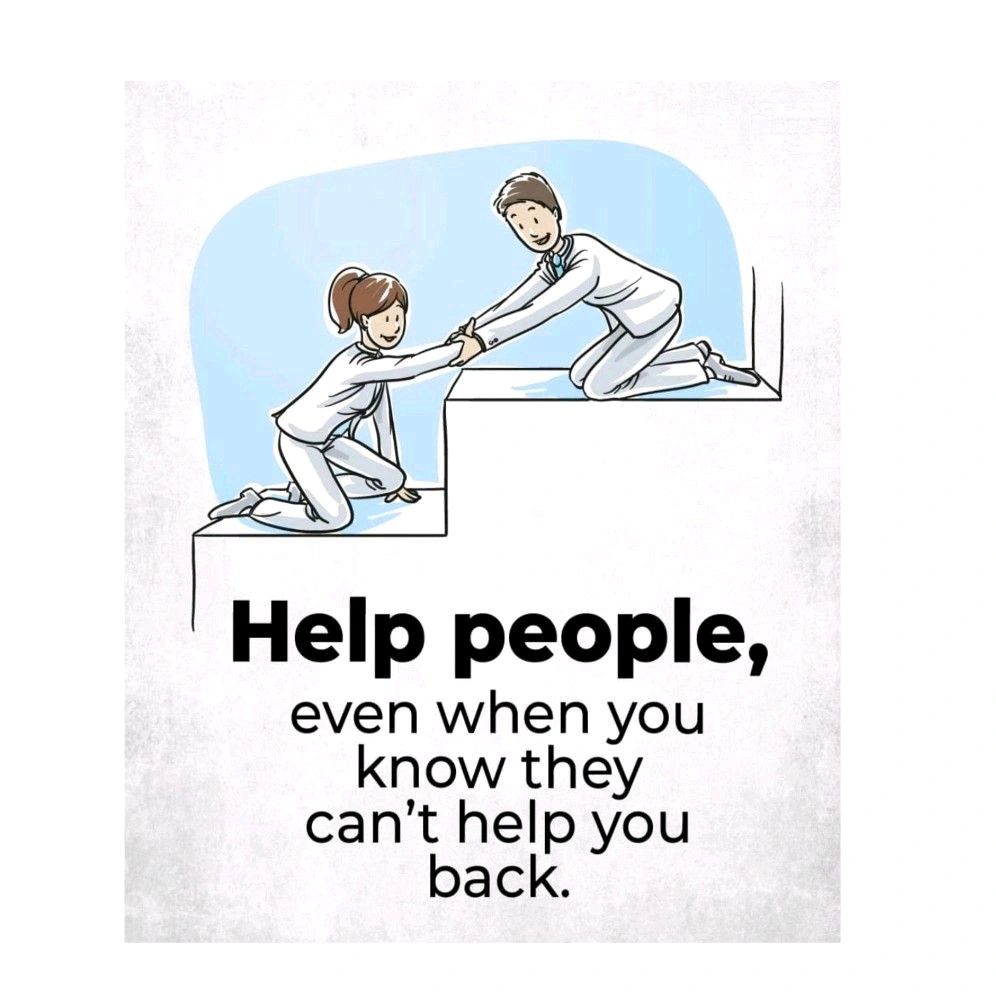
These aren't revolutionary tactics. They're simple, consistent practices that compound over time. And they'll transform your leadership from the inside out.
The Bottom Line
Commitment without trust is just compliance. It's fragile. It disappears the moment pressure increases or a better option appears.
But commitment built on trust? That's the real deal. That's the kind of followership that weathers storms, takes mountains, and changes communities.
You don't need a bigger vision. You don't need better communication strategies. You don't need more charisma.
You need to become someone worth trusting.
Start there. Build that foundation. Do the slow, unglamorous work of showing up, keeping your word, and genuinely caring about the people you lead.
Then, and only then, will your asks for commitment be met with a resounding "yes."
Ready to take your leadership to the next level? Dr. Layne McDonald offers coaching, resources, and training designed to help you lead with integrity and impact. Visit www.laynemcdonald.com to explore how you can grow as a connected leader who builds trust and inspires lasting commitment.
Comments