
Building Trust: The Foundation of Every Healthy Church Culture
- Dr. Layne McDonald
- Feb 11
- 5 min read

By Dr. Layne McDonald
You've probably felt it before: that invisible wall between people in a meeting. Everyone's polite. Everyone's smiling. But underneath, there's tension. Guard rails are up. Nobody's saying what they really think.
That's what a low-trust culture feels like. And if you're leading a church, it's exhausting.
Trust isn't just a nice-to-have ingredient in church leadership. It's the foundation. Without it, you're building on sand. With it, you're creating a space where people can grow, serve authentically, and follow God's calling without constantly looking over their shoulder.
The Cost of Low Trust
Here's what happens when trust is missing in your church culture:
Staff meetings become performance exercises instead of honest conversations
Gossip fills the gaps where transparency should live
Volunteers burn out because they're afraid to ask for help
Conflict simmers under the surface instead of being resolved
New ideas die before they're ever spoken out loud
People disengage emotionally while showing up physically
Low-trust environments breed perpetual anxiety. Everyone's in survival mode. And when your team is in survival mode, they can't thrive in their calling.
I've watched churches with incredible vision and resources struggle because trust was eroding from the inside. The vision was clear, but the culture couldn't carry it.
Why the Church Should Be Different
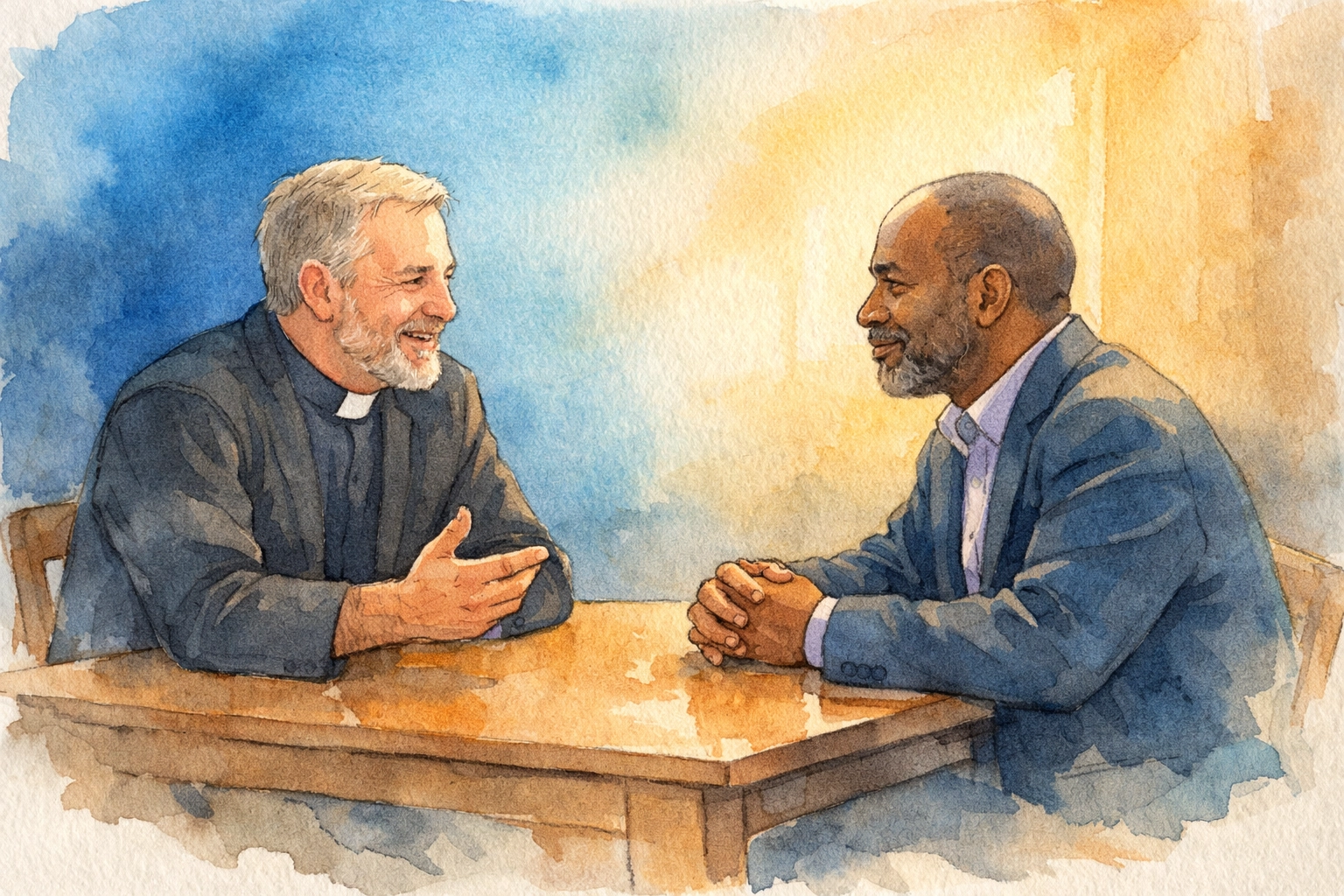
The church has a unique calling as a training center for trust. Think about it: we're a community built on the radical trust of the gospel. We trust that God loved us enough to send His Son. We trust that Christ's sacrifice covers our sins. We trust the Holy Spirit to guide us.
If that's our foundation, shouldn't our culture reflect it?
When your church fosters a high-trust environment, something beautiful happens. People can exercise trust. They become trustworthy. They engage honestly with their faith and with one another. The walls come down, and real community begins.
Paul understood this. In his letters to the early churches, he constantly emphasized unity, honesty, and bearing one another's burdens. He knew that trust was the soil where spiritual growth happened.
"Therefore, having put away falsehood, let each one of you speak the truth with his neighbor, for we are members one of another." (Ephesians 4:25)
Notice Paul didn't say "be nice to each other." He said speak truth. That only works in a high-trust culture where people know they're safe even when conversations get difficult.
Five Practices That Build Trust
Building trust isn't mysterious. It's intentional. Here are five practices that can transform your church culture:
1. Create a Space That Feels Safe
People won't trust a culture where they feel exposed or threatened. Safety doesn't mean avoiding hard conversations: it means creating an environment where people know their security and needs matter.
This starts with how you handle conflict. Do you shut people down when they disagree? Or do you lean in with curiosity? The way you respond to pushback teaches your team whether trust is safe.
2. Listen Without the Need to Fix
This one's tough for leaders because we're wired to solve problems. But people trust leaders who can simply listen: without correcting, judging, or immediately jumping to solutions.
Try this: In your next one-on-one, practice listening for understanding instead of listening for your response. Ask clarifying questions. Reflect back what you're hearing. Let the other person feel truly heard before you offer any direction.
3. Ask Honest, Open Questions
Questions are leadership gold. They invite people into the conversation instead of shutting them out. Open questions create space for wrestling with ideas together, which builds confidence in one another.
Instead of "Don't you think we should do it this way?" try "What do you think would happen if we approached it differently?"
See the difference? One question closes down the conversation. The other opens it up.

4. Connect Human Stories to God's Story
When you explore challenges through a theological lens, you help people trust both their neighbors and their God. You're reminding everyone that we're not figuring this out alone: we're following in the footsteps of a faithful God who's been building trust with His people since the beginning.
This could look like starting staff meetings with a brief devotional that connects to the work you're doing. Or asking "What do we see about God's character in this situation?" when facing a difficult decision.
5. Honor Different Perspectives
Not everyone processes information the same way. Some people need to talk it out. Others need time to think. Some connect through stories, others through data.
When you create space for multiple modes of exploration and reflection, you're telling people that their unique perspective matters. That builds trust.
[Breath Section: Pause and Reflect]
Before we go further, take a moment. Close your eyes if you're in a space where you can.
Breathe in deeply. Hold it. Release slowly.
Think about your own church culture right now. Where do you see trust thriving? Where do you sense walls?
Ask God to give you wisdom. Not to fix everything today, but to see clearly where He's inviting you to take one step toward building trust.
Breathe again. Rest in the truth that God is with you in this work.
Leadership Is the Thermostat
Here's the hard truth: You can't build a high-trust culture if you're not modeling it yourself.
Leaders set the temperature. If you're defensive when challenged, your team will learn to avoid challenging you. If you gossip about difficult people, your team will learn that's acceptable. If you say one thing and do another, your team will trust your actions, not your words.
But when you model honesty, vulnerability, and consistency, you give everyone else permission to do the same. When you admit mistakes, ask for feedback, and follow through on commitments, trust grows.
I've seen this play out over and over. The churches with thriving cultures aren't led by perfect people: they're led by authentic people who are willing to do the hard work of self-examination and growth.
What does that look like practically?
Be consistent between what you say and what you do
Admit when you're wrong instead of deflecting
Follow through on commitments, even small ones
Celebrate others instead of needing to be the hero
Stay curious instead of defensive when people disagree
This is holy work. It's the work of sanctification: allowing God to shape your character so you can lead others well.
What High-Trust Culture Looks Like
You'll know you're building a high-trust culture when:
Staff meetings feel energizing instead of draining
Conflict gets resolved instead of going underground
People share ideas freely without fear of being shot down
Volunteers ask for help when they need it
New leaders emerge because they feel safe to try and fail
Gossip decreases because transparency increases
People stay even when things get hard
One pastor told me that working in a high-trust staff culture felt "exhilarating" because people could follow their calling without fear. That's the goal. Not a perfect culture: but a culture where people can bring their whole selves and grow together.
This doesn't happen overnight. Building trust is slow, patient work. It requires consistent practice and ongoing conversation among staff and congregational leaders. But the investment yields profound results: greater engagement, reduced conflict, and deeper community impact.
Reflection Question:
Where in your leadership are you currently modeling the trust you want to see in your church culture?
Small Action Step:
This week, schedule a 30-minute conversation with one person on your team. Ask them: "How can I create more safety for you to share honest feedback?" Then listen without defending or explaining. Just receive what they share and thank them for trusting you with it.
Ready to grow deeper in your leadership? Visit www.laynemcdonald.com for coaching, mentorship resources, and practical tools to build healthy church culture. Every visit helps raise funds for families who have lost children through Google AdSense: at no cost to you. And if you're looking for a spiritual home where you can stay grounded, explore www.boundlessonlinechurch.org: a private online community where you can watch teachings and join family groups, with or without signing up.
Trust is the foundation. Let's build it together.
Comments