
Christian Forgiveness vs. Emotional Healing: Which Comes First for Leaders?
- Dr. Layne McDonald
- Dec 24, 2025
- 5 min read

You're leading a team meeting when someone brings up that situation again. The one where a trusted colleague betrayed your confidence, or a church member questioned your leadership publicly, or a family member said something that still stings months later. Your stomach tightens. You know you should forgive: after all, you're a Christian leader: but the emotional wounds feel as fresh as ever.
Sound familiar? You're caught in one of leadership's most challenging dilemmas: the tension between Christian forgiveness and emotional healing. Which should come first? Do you wait until your heart feels ready to forgive, or do you choose forgiveness and trust your emotions will follow?
The answer might surprise you: and it could transform how you lead.
The Critical Distinction: Decisional vs. Emotional Forgiveness
Here's what most Christian leaders don't realize: forgiveness isn't one single action. Researchers and biblical counselors identify two distinct types of forgiveness that operate on different timelines.
Decisional forgiveness involves the conscious choice to release someone from the debt they owe you. It's a deliberate act of will where you decide to treat the person as though the offense never happened. This decision can happen immediately, regardless of how you feel.
Emotional forgiveness occurs when your feelings of anger, resentment, and hurt gradually transform into empathy, compassion, and goodwill toward the offender. This process takes time and rarely happens instantly.
The game-changing insight? Decisional forgiveness comes first, and emotional healing follows as a natural consequence.
Why the Decision Must Lead
As Christian leaders, we often get this backwards. We wait to feel ready to forgive before we actually do it. But forgiveness is fundamentally an act of obedience, not an emotion. Scripture doesn't command us to feel forgiving: it commands us to forgive.
When Jesus taught us to pray "forgive us our debts, as we also have forgiven our debtors," He wasn't suggesting we wait for warm fuzzy feelings. He was calling us to make a choice that honors God and protects our own spiritual health.
Here's the beautiful truth: your choices and behaviors gradually shape your feelings, not the other way around. When you choose to forgive: even while your emotions are still raw: you begin a healing process that eventually transforms your heart.
Think about it practically. If you waited to feel loving before serving others, would you ever serve? If you waited to feel motivated before reading Scripture, would you ever read? Emotions are wonderful, but they're terrible leaders. Obedience to God's Word must come first.
The Leadership Dimension
For Christian leaders specifically, this decision-first approach creates profound ripple effects throughout your sphere of influence. When you choose forgiveness before you feel forgiving, you're modeling something revolutionary: that people aren't defined by their worst moments, and that restoration is possible even in the midst of pain.
Your team watches how you handle betrayal, disappointment, and conflict. If they see you extending grace quickly and decisively, they learn that your leadership environment is safe for human imperfection. They discover that mistakes don't result in permanent exile, and that growth is always possible.

But if your team watches you nurse grudges, withhold forgiveness until you feel ready, or treat offenders as permanently tainted, they learn to hide their failures and avoid vulnerability. The culture becomes brittle, defensive, and spiritually shallow.
Consider the practical benefits of decisional forgiveness for leaders:
• Mental clarity: You're no longer mentally rehearsing the offense or planning revenge • Emotional energy: The energy you spent on resentment becomes available for vision-casting and genuine care • Relational credibility: Your team trusts you to handle their failures with grace • Spiritual authority: You're walking in obedience to Christ's clear commands • Physical health: Research shows forgiveness reduces stress, lowers blood pressure, and strengthens immune function
The Ongoing Process
Here's where many leaders get frustrated: they make the decision to forgive and expect their emotions to immediately align. When hurt feelings resurface days or weeks later, they assume their forgiveness wasn't genuine.
Not true. Forgiveness is a perpetual choice, not a single event. You may find yourself needing to re-forgive the same offense multiple times as new layers of hurt emerge or as circumstances trigger fresh pain.
This doesn't mean your initial forgiveness was fake: it means you're human. Each time you choose forgiveness again, you're deepening the spiritual work and accelerating your emotional healing. You're training your heart to align with your will and God's Word.
Practical Steps for Leaders
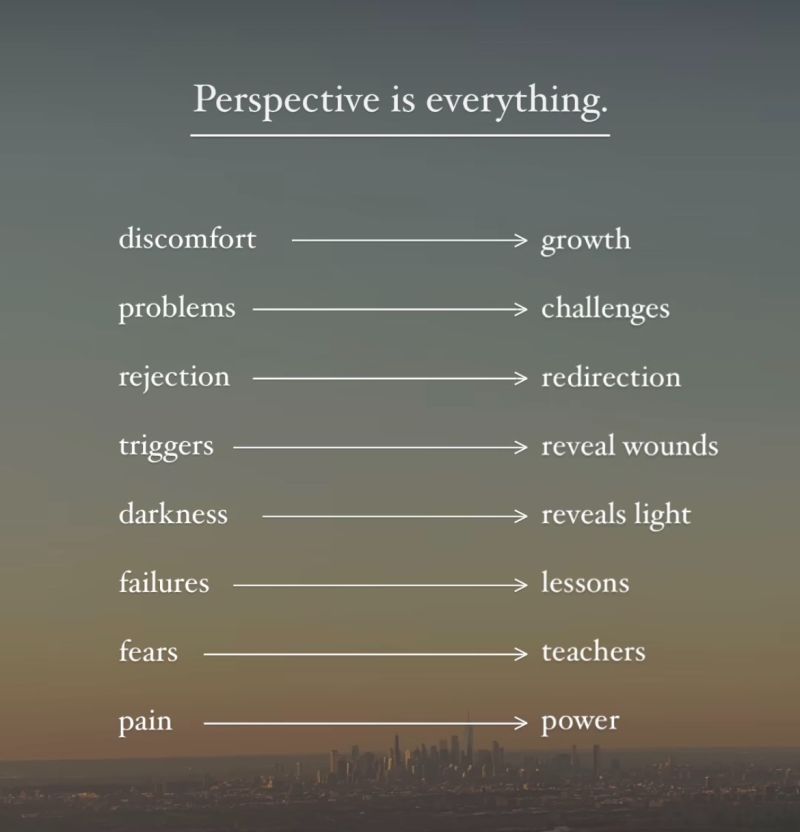
1. Acknowledge the hurt honestly Don't spiritualize away real pain. Jesus wept. Paul expressed frustration with specific people. Acknowledging hurt isn't unspiritual: it's honest.
2. Make the decision quickly Don't let wounds fester while you wait to feel ready. Choose forgiveness as an act of obedience to God and stewardship of your own freedom.
3. Pray for the offender This isn't about feeling warm toward them initially. Simply pray for their wellbeing, success, and spiritual growth. Your heart will gradually catch up.
4. Refuse to rehearse the offense When your mind wants to replay the hurt, deliberately redirect your thoughts to God's grace in your own life or to positive aspects of your leadership calling.
5. Expect the process Emotional healing takes time. Be patient with yourself as your feelings slowly align with your decision.
When Trauma Complicates the Timeline
There's one important caveat: in cases involving severe trauma, abuse, or deep betrayal, some foundational emotional healing may need to occur before formal forgiveness is possible. Safety, boundaries, and basic psychological stability often must be established first.
This doesn't contradict the decision-first principle: it simply recognizes that some wounds require professional intervention and careful pacing. If you're dealing with trauma-level hurt, seek qualified Christian counseling to navigate this process wisely.
Even in these complex situations, the heart posture of forgiveness: the willingness to eventually release the debt: can be present from the beginning, even if the formal declaration of forgiveness comes later in the healing journey.
Leading Others Through Forgiveness
As a Christian leader, you won't just need to practice forgiveness yourself: you'll need to guide others through it. Your experience of choosing forgiveness before feeling forgiving becomes a powerful testimony and teaching tool.
When team members struggle with unforgiveness, you can share honestly about your own journey. Explain the decision-first principle. Help them see that waiting to feel ready often means waiting forever, while choosing obedience opens the door to genuine emotional healing.
Model this in your leadership by addressing offenses quickly and graciously. Show your team what it looks like to confront issues directly, extend forgiveness readily, and move forward without holding grudges.
The Freedom Factor
Ultimately, choosing forgiveness before you feel forgiving isn't just about obedience: it's about freedom. Unforgiveness is a prison where you're both the warden and the prisoner. Every day you choose to nurse that hurt is another day you give your offender power over your emotions, decisions, and spiritual vitality.
When you choose to forgive decisively, you're declaring that your emotional wellbeing isn't dependent on someone else's behavior or repentance. You're taking back control of your inner life and aligning yourself with God's heart for restoration and healing.
This is particularly crucial for leaders because your emotional state affects everyone around you. A leader bound by unforgiveness creates an atmosphere of tension, fear, and spiritual stagnation. A leader who forgives freely creates space for growth, vulnerability, and authentic community.
The question isn't whether forgiveness or emotional healing comes first: it's whether you'll trust God's process enough to make the hard choice before your heart feels ready. Your emotions will follow. Your leadership will improve. And your sphere of influence will experience the transformative power of grace in action.
Ready to develop the kind of leadership that creates healing communities? Layne McDonald's resources on authentic Christian leadership provide the biblical framework and practical tools you need to lead with both grace and truth. Don't let unforgiveness limit your leadership impact: discover how to build teams that thrive on forgiveness, restoration, and authentic growth.
Comments