
Christian Forgiveness vs. Toxic Positivity: How to Embrace True Grace Without Faking It for Social Media
- Dr. Layne McDonald
- Oct 25, 2025
- 5 min read

You know that feeling when you see those perfectly polished Christian Instagram posts? The ones with sunset backgrounds and scripture overlays that make everything look effortlessly blessed? Yeah, me too. And honestly, sometimes they make me want to throw my phone across the room.
Don't get me wrong, I love celebrating God's goodness. But there's something unsettling about the pressure to perform perfect faith online, especially when it comes to forgiveness. We've created this weird culture where admitting you're still working through hurt feelings makes you somehow less spiritual.
Here's the thing: there's a massive difference between genuine Christian forgiveness and what psychologists call "toxic positivity." And if we're not careful, our social media feeds can become breeding grounds for fake grace that actually hurts more than it helps.
What Toxic Positivity Actually Looks Like in Christian Circles
Toxic positivity is basically the belief that no matter how terrible a situation gets, you should slap on a smile and stay positive. In Christian contexts, this shows up as brushing off real problems, hiding genuine emotions behind feel-good Bible verses, and, here's the kicker, shaming people who don't maintain that cheerful façade.
You've probably seen it in action:
Someone shares about a difficult season, and the comments flood with "Just trust God!"
A person mentions struggling with depression, and well-meaning friends respond with "Count your blessings!"
Someone opens up about abuse, and they're immediately told to "forgive and move on"

The problem isn't that these responses come from bad hearts, they usually don't. But they shut down honest conversation and push people to perform spirituality instead of actually walking through their pain with Jesus.
The Dangerous Reality of Toxic Forgiveness
Here's where things get really messy: toxic forgiveness. This isn't just about staying positive, it's about pressuring people to forgive quickly without acknowledging the actual damage that's been done.
I can't tell you how many times I've heard stories of women being told by pastors to forgive abusive husbands "because that's what Jesus would do." Or abuse survivors being pushed to reconcile with family members who haven't even acknowledged their wrongdoing, let alone changed their behavior.
Toxic forgiveness ignores the full cost of what happened. Real forgiveness, especially from deep wounds like abuse or betrayal, can take years. Sometimes decades. The effects keep unfolding: health issues from stress, damaged relationships, ongoing psychological impact. To reduce forgiveness to a one-time decision minimizes the victim and actually enables cycles of abuse to continue.
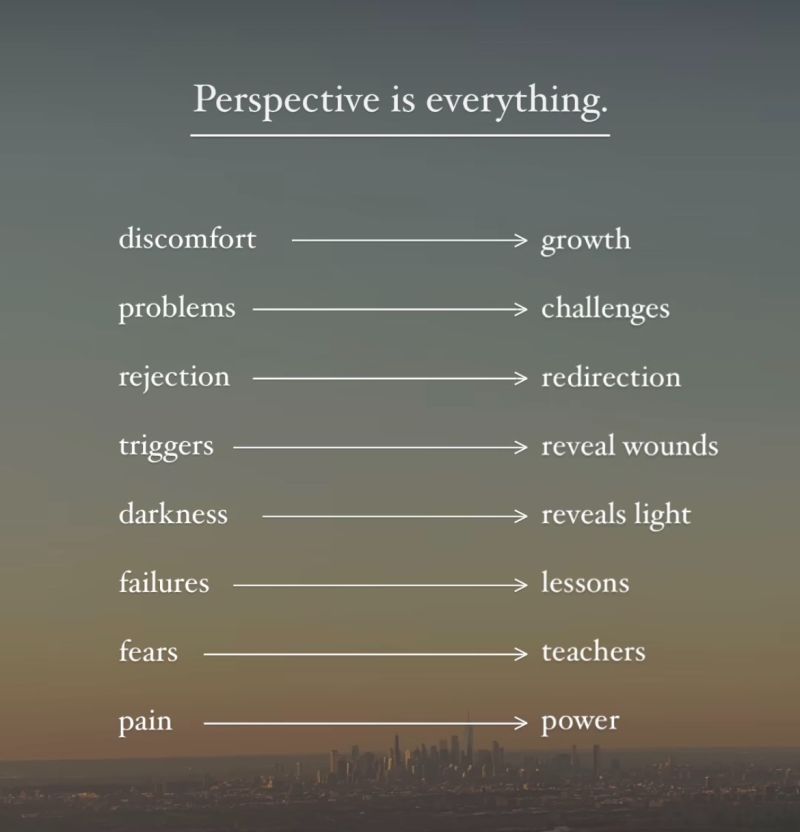
When we rush people toward forgiveness without letting them fully acknowledge their pain, we're not showing them Jesus. We're showing them performance Christianity.
What Biblical Forgiveness Actually Looks Like
Real biblical forgiveness is so much richer than putting on a happy face. The Hebrew word for thanksgiving: tōdāh: often came with tears. The word for praise: yādāh, literally means to confess, to tell the truth about both God and ourselves.
Look at the Psalms. David doesn't skip over his anger, fear, or confusion. He brings all of it to God: the messy emotions alongside the praise. That's the biblical pattern: honest acknowledgment of where we are, coupled with trust in God's character.
Paul tells us to pray about our anxieties with thanksgiving, but notice: he's not saying replace anxiety with thanksgiving. He's saying hold both realities at the same time. Feel the fear and trust God's goodness. Experience the hurt and believe in His healing.
This kind of forgiveness is rooted in relationship with God, not social performance. We forgive because He is faithful, not because we have to perform emotional compliance for others.
Spotting the Difference: Toxic Positivity vs. True Grace
The words we use reveal a lot about our hearts. Here are some phrases that sound spiritual but often shut down authentic processing:
"Just remember God is good" (weaponizes truth to hurry past pain)
"At least..." (minimizes legitimate suffering through comparison)
"You should be thankful" (turns gratitude into moral obligation)
"God's got this!" (sometimes used to avoid sitting in the hard places with people)
Don't get me wrong: these statements aren't theologically wrong. God IS good. He DOES have everything under control. But when we use truth as a way to silence pain instead of walking alongside someone in it, we're missing the heart of Jesus.

Scripture says to "give thanks in all circumstances," not "pretend to be thankful for every circumstance." That little word makes all the difference. We can trust God's goodness in the middle of genuine pain without pretending the pain doesn't exist.
Navigating Social Media Without Performing Faith
So how do we share authentically online without falling into either toxic positivity or victim mentality? Here are some practical shifts:
Choose compassionate curiosity over quick fixes. Instead of dropping platitudes in someone's comments, try asking questions: "How can I pray for you this week?" or "What's this been like for you?" This honors both truth and tenderness.
Make room for lament. The biblical pattern includes both celebration and grief. Share honestly about struggles without performing either victimhood or victory. Let people see that faith includes questions, not just answers.
Present forgiveness as process, not performance. Be honest that letting go of deep hurt happens in layers, over time. This gives others permission to be real about their own healing journey instead of pretending they've instantly moved past everything.
Practicing True Grace in Real Life
True grace means telling the truth about where we are while holding onto God's character. It means refusing to minimize suffering: ours or others': while still maintaining hope.
Here's what this looks like practically:
Acknowledge the full impact of wounds before rushing toward forgiveness
Create space for all emotions in your relationship with God
Resist the urge to fix people's pain with quick spiritual solutions
Share your struggles honestly without making them the whole story
Remember that healing happens in relationship, not isolation
The difference between toxic positivity and true grace ultimately comes down to relationship versus performance. Jesus gave thanks as part of His conversation with the Father, not as a mask worn for observers.

Living in the Tension
Here's what I've learned: authentic faith means living in the tension between "God is good" and "this situation is hard." Both can be true simultaneously. We don't have to choose between honesty about our pain and trust in God's character.
When we give ourselves and others permission to be real about the messy middle of healing, we create space for genuine transformation. Not the kind that looks good on Instagram, but the kind that actually changes hearts.
So maybe it's time to stop performing perfect faith online and start sharing real grace instead. The world doesn't need another curated spiritual highlight reel. It needs people willing to show what it actually looks like to walk with Jesus through the hard stuff.
Ready to dive deeper into authentic Christian leadership and healing? Check out my resources and books designed to help you navigate real faith in a performance-driven world. Because you weren't called to fake it( you were called to live it.)
Comments