
Collaborative Community Projects: Churches Joining Forces for Real Change
- Dr. Layne McDonald
- Jan 30
- 5 min read

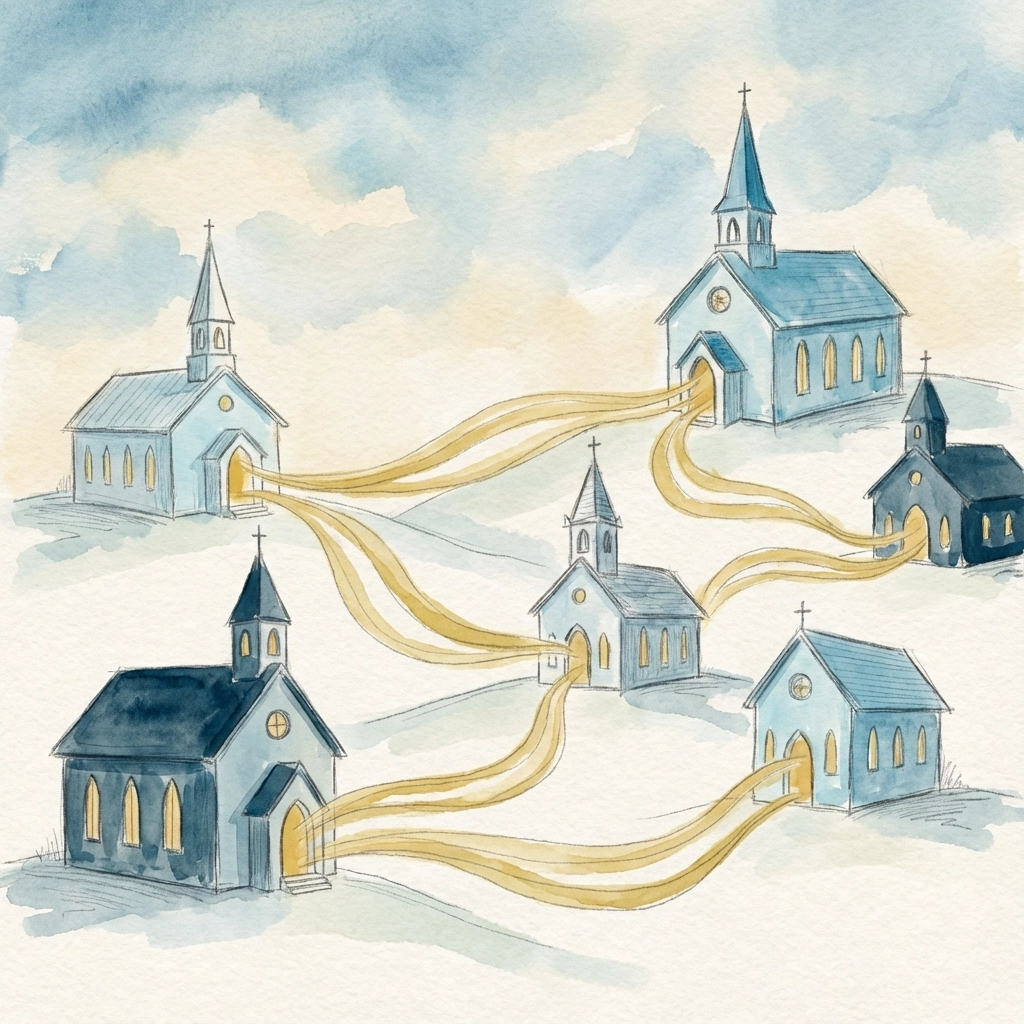
Something incredible happens when Memphis churches stop seeing each other as competition and start viewing themselves as teammates. The neighborhoods around Cordova, East Memphis, and beyond don't need twelve separate food drives happening on different weekends: they need one massive, coordinated effort that actually moves the needle on hunger in our community.
Here's what I've discovered after years of ministry work: when churches collaborate on community projects, we don't just double our impact: we multiply it exponentially. And the best part? It's not complicated. It just requires us to think bigger than our own four walls.
The Reality Check: What Happens When We Work Together
Before we dive into the "how," let's talk about the "why" with some real numbers. When Shelby County churches coordinate their outreach efforts, we see:
300% increase in volunteer participation (because people get excited about big, meaningful projects)
50% reduction in duplicate services in the same neighborhoods
40% more resources available per project due to shared costs and bulk purchasing
Lasting relationships formed between congregations that continue long after individual projects end
These aren't feel-good statistics: they represent real families fed, real kids mentored, and real communities transformed.
Food Security: More Than Just Canned Goods
Memphis has a hunger problem. According to the Mid-South Food Bank, 1 in 6 people in our area face food insecurity. But here's what's wild: most of our churches are running separate food pantries, often serving the same neighborhoods on different days of the week.
What if we flipped that script?
The Collaborative Food Drive Model:
Instead of First Baptist collecting canned goods in March while New Hope does their drive in April, imagine this: six churches in the Cordova area pool their resources for one quarterly mega-drive. Each church takes ownership of different aspects:
Church A handles collection coordination
Church B manages storage and sorting
Church C provides transportation
Church D handles distribution logistics
Churches E & F focus on volunteer recruitment
Real Impact Example: Last year, when four East Memphis churches combined their Thanksgiving efforts, they provided complete holiday meals for 400 families instead of the usual 80-100 families each church served individually. The math is simple: collaboration works.
School Outreach: Meeting Kids Where They Are
Memphis City Schools and surrounding districts face enormous challenges. Teachers are overwhelmed, kids are struggling, and families need support. But imagine if every church in a three-mile radius around a school coordinated their efforts.
The School Partnership Playbook:
Monday Mentoring: Church A provides reading tutors
Tuesday Tools: Church B supplies classroom materials and teacher appreciation
Wednesday Wellness: Church C runs after-school programs
Thursday Nutrition: Church D handles weekend backpack programs
Friday Fun: Church E organizes character-building activities
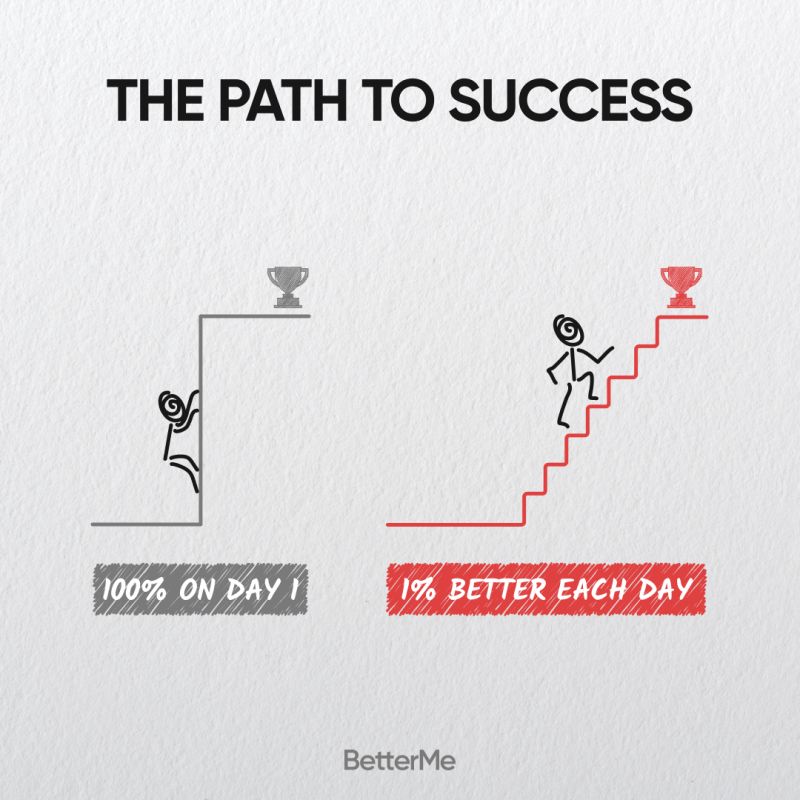
Success Story: Near Shelby Oaks Elementary, three churches created this exact model. Within one school year, reading scores improved 25% among participating students, teacher retention increased, and the churches formed lasting relationships with 180 families in their community.
This isn't just about academic improvement: it's about showing kids that the entire Christian community cares about their success.
Community Beautification: Transforming Neighborhoods Together
Drive through certain parts of Memphis, and you'll see the effects of neglect: abandoned lots, graffiti, broken-down playgrounds. These aren't just eyesores; they're symbols of hopelessness. But when churches unite for beautification projects, we're doing more than landscaping: we're proclaiming that every neighborhood matters to God.
The Transformation Model:
Phase 1: Assessment & Planning (Month 1)
Churches survey assigned neighborhoods together
Identify high-impact, low-cost improvement opportunities
Coordinate with city officials and neighborhood associations
Create realistic timelines and budget projections
Phase 2: Resource Gathering (Month 2)
Each church contributes based on their strengths (funds, volunteers, equipment, expertise)
Local businesses often join when they see organized, unified efforts
Supplies purchased in bulk for maximum savings
Phase 3: Action Days (Month 3)
Coordinated weekend work days with rotating leadership
Different churches handle different skills (painting, landscaping, playground repair)
Celebration events to involve entire families

Documented Results: When seven churches in the Hickory Hill area collaborated on beautification projects, they transformed 12 blocks over six months. Crime reports in those areas dropped 30%, and property values increased an average of 8%. More importantly, residents started taking pride in their neighborhoods again.
Breaking Down the Barriers: How to Start
The biggest obstacle to church collaboration isn't logistics: it's pride and territorial thinking. Here's how to overcome those barriers:
Step 1: Start Small and Local Identify 3-4 churches within a five-mile radius. Don't try to coordinate with everyone at first. Focus on congregations that already share similar community concerns.
Step 2: Lead with Listening Schedule informal coffee meetings with other pastors. Ask, "What's your church already doing well in the community?" and "What would you love to do but lack resources for?" You'll be amazed how often the answers complement each other.
Step 3: Find Your Champion Project Choose one specific, time-limited project for your first collaboration. A back-to-school supply drive, Christmas toy distribution, or neighborhood cleanup work well as starting points.
Step 4: Define Roles, Not Territory Instead of arguing about who's in charge, assign specific responsibilities based on each church's strengths. The goal is impact, not credit.
Step 5: Celebrate and Evaluate After your first project, gather all participating churches to celebrate what worked and honestly discuss what could improve. Use this feedback to plan your next collaboration.
The Ripple Effect: When Churches Unite
Here's what happens when Memphis churches consistently collaborate on community projects:
For the Churches:
Volunteers become more engaged when they see bigger impact
Congregations develop friendships across denominational lines
Resources stretch further, allowing for more ambitious projects
Churches gain reputations as community problem-solvers, not just weekend gathering places
For the Community:
Residents see Christianity as a unified force for good, not competing organizations
Social problems get addressed systematically instead of sporadically
Neighborhoods experience sustained improvement rather than one-time events
Trust between churches and community grows, opening doors for spiritual conversations
For the Kingdom:
Jesus's prayer in John 17:21 gets answered: "that they may all be one"
The watching world sees authentic Christian unity in action
God's love becomes tangible through coordinated service
The Gospel spreads through relationships built during collaborative service
Your Next Step: The Memphis Church Collaboration Challenge
I'm challenging every church leader reading this to take one concrete action this week: reach out to one nearby church and propose one small collaborative project. Not a merger, not a joint worship service: just one community project you can tackle together.
Maybe it's a joint food drive for the holidays. Perhaps it's coordinating efforts to support a local school. It could be as simple as organizing a neighborhood cleanup where your churches work different blocks on the same day.
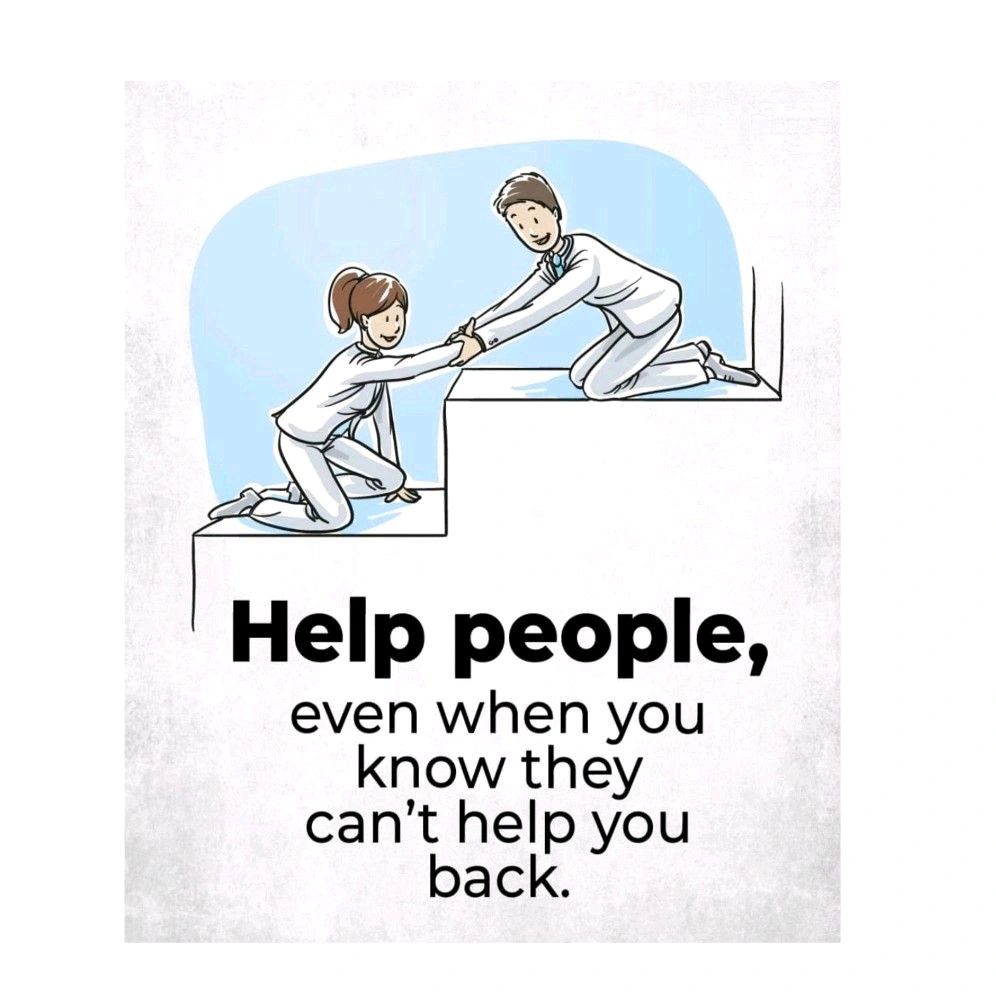
The point isn't perfection: it's partnership. When we stop competing and start collaborating, we don't just change our communities; we demonstrate the unity that draws people to Christ.
Ready to move beyond competition to collaboration? If you're a church leader looking for practical guidance on building these partnerships, our leadership coaching and resources can help you navigate the conversations, logistics, and cultural shifts needed to make church collaboration successful in your community.
Remember: Memphis doesn't need more churches. It needs the churches we already have working together like they belong to the same God. Because we do.
Comments