
Cultivating a Culture of Belonging
- Dr. Layne McDonald
- Mar 13
- 5 min read

Have you ever walked into a room and immediately felt like you didn't quite fit? Maybe it was a new church, a ministry team meeting, or even a small group gathering. That knot in your stomach, the uncertainty about where to sit, the wondering if anyone would notice you were there: those feelings reveal something profound about human nature.
We're hardwired for belonging.
God didn't design us to walk through life alone. From the very beginning, He said, "It is not good for man to be alone" (Genesis 2:18). That wasn't just about marriage: it was a foundational truth about human existence. We thrive in community. We grow in relationships. We discover our purpose when we know we matter to others.
But here's what I've learned after years of coaching leaders and pastoring communities: belonging doesn't happen by accident. It requires intentionality, wisdom, and a genuine commitment to seeing people the way Jesus sees them.
Why Belonging Transforms Everything
When people truly belong, everything changes. I've watched it happen countless times in ministry settings, leadership teams, and church communities. People who once sat quietly in the back row suddenly step up to serve. Team members who felt disconnected start bringing their best ideas to the table. Volunteers who considered leaving find renewed purpose and passion.
The research backs this up. Studies show that when people experience genuine belonging, they're more willing to take risks, ask for help, and persist through challenges. In church and ministry contexts, this translates to deeper spiritual growth, stronger commitment, and more effective service.
Think about the early church described in Acts. They didn't just attend meetings together: they belonged to each other. They shared meals, resources, and life itself. That sense of belonging fueled the most explosive growth movement in human history.

The Three Pillars of True Belonging
Creating a culture where people genuinely belong rests on three essential elements. I call them the three C's: Comfort, Connection, and Contribution.
Comfort: Creating Safety to Be Authentic
Comfort means people feel safe enough to be themselves: no masks, no pretending, no performance Christianity. They know they'll be treated with respect even when they ask difficult questions or admit they're struggling.
This starts with leadership. When I'm coaching ministry leaders, I always emphasize this: your vulnerability gives others permission to be real. Share your own doubts, questions, and growth areas. Let people see that you're on a journey too.
Jesus modeled this beautifully. He wept openly (John 11:35). He admitted feeling troubled (John 12:27). He asked His closest friends to support Him in prayer during His darkest moment (Matthew 26:38). His authenticity created space for others to be authentic too.
Practical ways to build comfort:
Start meetings or gatherings with genuine check-ins, not just surface-level pleasantries
Respond to vulnerability with compassion, not quick fixes or spiritual platitudes
Address conflict directly but graciously
Celebrate questions and honest doubts as signs of spiritual engagement
Connection: Building Genuine Relationships
Connection goes beyond just being friendly. It's about creating real relationships where people know and are known. Research shows this is crucial: 31% of people identify connection as the primary driver of belonging in their communities.
Small, consistent interactions matter more than big annual events. Don't just plan one huge fellowship gathering and call it community-building. Instead, create regular rhythms of connection: weekly coffee chats, monthly small group hangouts, regular prayer partnerships.
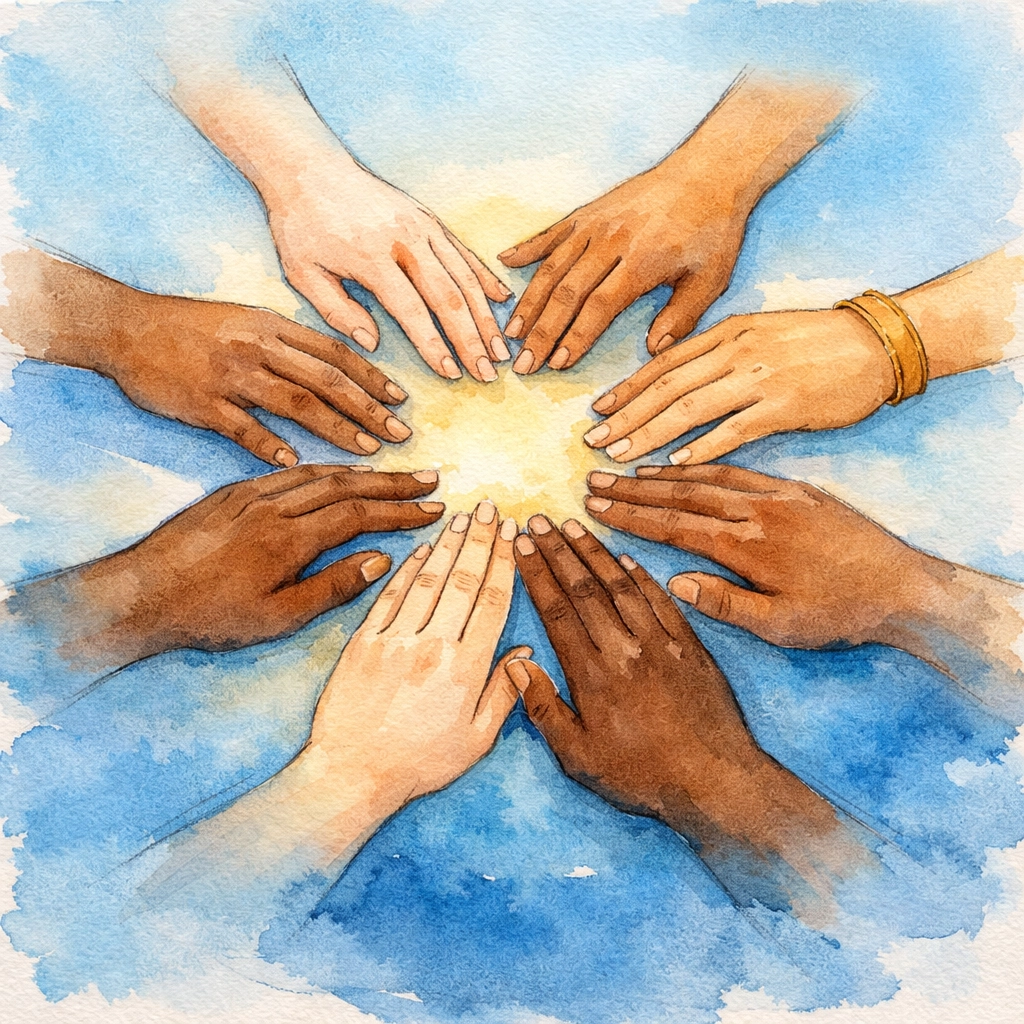
The body of Christ metaphor Paul uses in 1 Corinthians 12 isn't just theological poetry: it's practical wisdom. Every person needs to feel connected to the whole, functioning as an essential part of something bigger than themselves.
Here's what works:
Facilitate intentional connections between people who might not naturally interact
Create diverse gathering sizes: large celebrations, medium groups, and intimate pairs
Use technology wisely to maintain connection between in-person gatherings
Train greeters and hospitality teams to do more than hand out bulletins: they're connection catalysts
Contribution: Empowering Meaningful Impact
This is the big one. Studies show 44% of people identify contribution as the largest driver of belonging. People don't just want to attend: they want to matter. They need to know their gifts, talents, and efforts make a real difference.
Too many churches treat volunteers like warm bodies filling slots. That's not contribution: that's utilization. Real contribution happens when people understand how their unique strengths advance the mission God has given your community.
I've seen this transform ministries. When a quiet introvert discovers her gift for behind-the-scenes administration isn't less valuable than upfront teaching, she blossoms. When a young man realizes his tech skills can help elderly members stay connected, he finds purpose beyond his career.

Jesus assigned the disciples specific roles that matched their gifts and calling. He didn't make everyone do the same thing. He empowered each person to contribute in ways that honored their design and advanced the kingdom.
Make contribution real:
Help people discover their spiritual gifts through assessments and conversations
Connect gifts to specific needs and opportunities
Publicly recognize contributions, not just the big visible ones
Give people autonomy and trust in their areas of responsibility
Show the bigger picture: help volunteers see how their service matters eternally
Leading the Belonging Revolution
Creating this culture starts with you. If you're leading a ministry, a small group, or even just influencing your church community, you have incredible power to shape the environment.
Start small. You don't need to overhaul everything at once. Pick one area: maybe it's how you start your small group meetings, or how you recognize volunteers, or how you follow up with first-time guests. Make that one thing excellent, then build from there.
Remember, different people experience belonging differently. Someone from a marginalized background may need extra assurance they're truly welcome. Someone who's been hurt by church in the past may need time to trust again. Someone naturally introverted may feel most connected in smaller settings, not large gatherings.

The goal isn't conformity: it's unity in diversity. It's creating space where every person, regardless of background, personality, or life stage, can genuinely belong to the family of God.
Your Next Step
Building a culture of belonging isn't a program to implement: it's a heart posture to cultivate. It's choosing to see people the way Jesus sees them: deeply valued, uniquely gifted, and essential to His purposes.
Start this week. Reach out to someone who seems disconnected. Ask a volunteer how they're really doing, not just if they can serve next Sunday. Share something real about your own journey in a setting where others can respond.
The revolution starts with you.
If you're ready to dive deeper into building transformational leadership and creating communities where people thrive, I'd love to come alongside you in that journey. Visit www.laynemcdonald.com to explore coaching, resources, and practical tools for leading with impact.
Together, we can create spaces where everyone knows they belong: not because they've earned it, but because they're loved, seen, and valued by the God who created them for community.
Comments