
Deuteronomy Unfiltered: Part 2 – This Is How We Live (Deuteronomy 5–11)
- Dr. Layne McDonald
- Dec 30, 2025
- 4 min read

Your teenager rolls their eyes when you ask them to clean their room. Again. "Why do I have to follow all these rules?" they mutter. Sound familiar?
Moses faced something similar with the Israelites. After 40 years of wandering, he's standing before a new generation who didn't experience the dramatic rescue from Egypt firsthand. They're about to enter the Promised Land, and Moses knows they need more than a rule book: they need to understand the heart behind God's instructions.
That's what Deuteronomy 5-11 is all about. Moses isn't just repeating commandments; he's unpacking the love story behind them.
When God Says "Remember"
Picture this scene: Moses, now 120 years old, gathering everyone together for what he knows will be his final teaching series. He starts by reminding them of Mount Sinai: the thunder, lightning, and God's voice speaking the Ten Commandments directly to their parents.
But here's what hits different in Moses' retelling: he doesn't start with "Here are the rules you better follow." He starts with "I am the Lord your God, who brought you out of Egypt, out of the land of slavery" (Deuteronomy 5:6).
Discussion Starter:Why do you think God leads with His rescue story before giving any commands? What does this tell us about His heart?
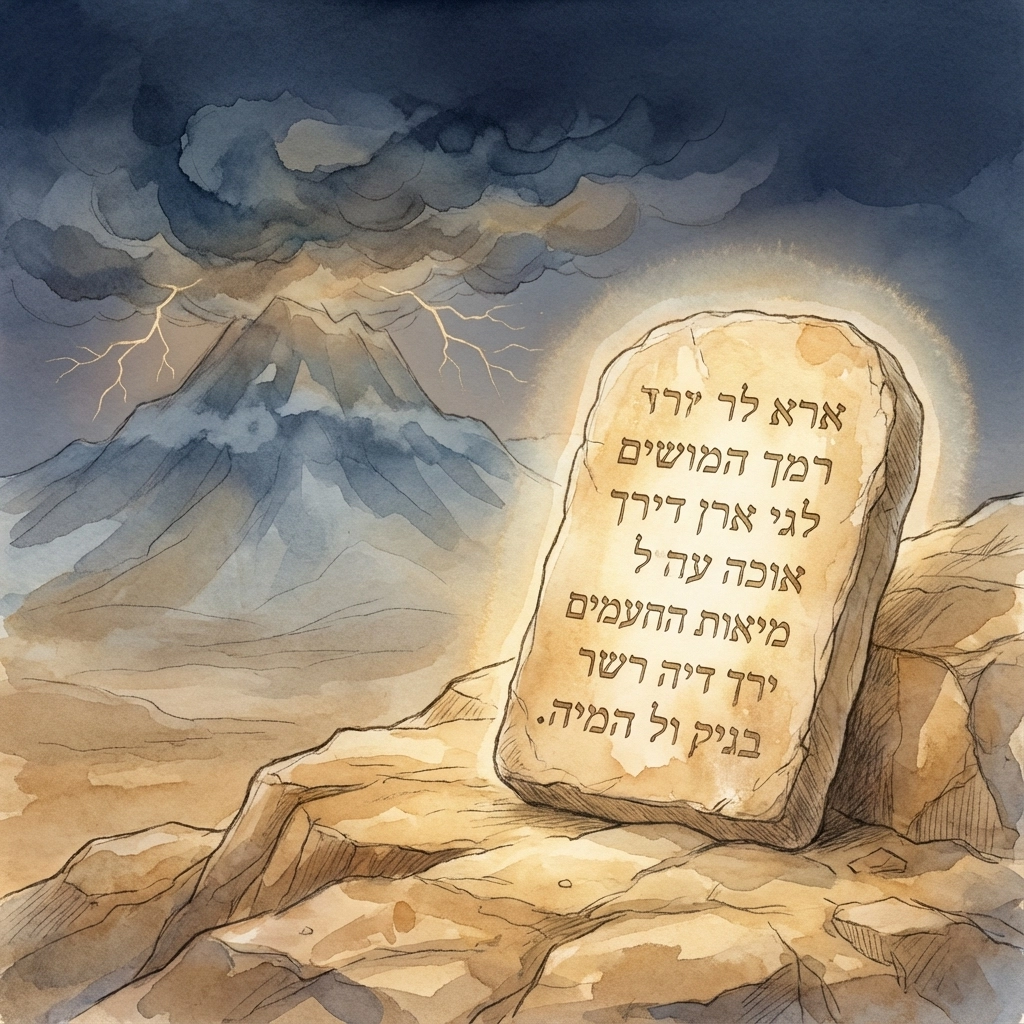
God doesn't demand obedience from strangers. He asks it from people He's already saved. The commandments aren't arbitrary rules from a controlling deity: they're life instructions from a loving Father who's already proven His commitment to His children.
The Real Story Behind the Rules
When Moses unpacks the Ten Commandments in Deuteronomy 5, he's not reading a legal document. He's explaining a relationship manual. Each commandment reveals something beautiful about how God designed us to live: both with Him and with each other.
No Other Gods (Deuteronomy 5:7)
This isn't God being possessive; it's God being protective. He knows that when we chase after other things to fulfill us: money, success, relationships, even ministry: we end up empty and broken. He's saying, "I'm the only One who can actually satisfy your heart."
Don't Misuse God's Name (Deuteronomy 5:11)
This goes way beyond swearing. It's about treating God's reputation carelessly. When we call ourselves Christians but live like everyone else, we're taking His name in vain. We're making His character look ordinary.
Remember the Sabbath (Deuteronomy 5:12-15)
Moses adds something beautiful here that wasn't in the original Exodus version. He connects Sabbath rest to the Egyptian rescue: "Remember that you were slaves in Egypt and that the Lord your God brought you out" (v. 15). Rest isn't just recovery: it's rebellion against the lie that our worth comes from what we produce.
Group Question:Which of these three commandments challenges you most right now? What would it look like to see this as God's love rather than God's restriction?
The Heart Check (Deuteronomy 6-8)
After laying out the commandments, Moses gets personal. He talks about what's happening in their hearts when nobody's watching.
Deuteronomy 6:4-9: the Shema: becomes the centerpiece. "Love the Lord your God with all your heart and with all your soul and with all your strength." Moses is saying the point isn't perfect rule-following; it's wholehearted love.
But then he gets real about the dangers ahead:
When life gets comfortable (Deuteronomy 6:10-12): They'll inherit cities they didn't build, houses full of good things they didn't accumulate, wells they didn't dig. Moses warns them not to forget God when life gets easy.
When pride creeps in (Deuteronomy 8:11-18): Success has a way of making us think we're self-made. Moses reminds them that even their ability to create wealth comes from God.
When they start feeling entitled (Deuteronomy 9:4-6): They might think God chose them because they're particularly righteous. Moses bursts that bubble quickly: they're "stiff-necked people," and God's choice was based on His promise to their ancestors, not their performance.
Personal Reflection:Which of these three temptations: forgetting God in comfort, taking credit for success, or feeling entitled to God's blessings: do you struggle with most?
More Than Rules: A Way of Life (Deuteronomy 10-11)
By chapters 10 and 11, Moses is painting a picture of what life looks like when God's commands become second nature: not because you're trying to earn something, but because you're responding to Someone who loves you.
He talks about God's character: "He defends the cause of the fatherless and the widow, and loves the foreigner residing among you, giving them food and clothing" (10:18). Then immediately: "And you are to love those who are foreigners, for you yourselves were foreigners in Egypt" (10:19).
See the pattern? God shows love first, then asks us to love like Him. The commands flow from relationship, not the other way around.
Moses ends this section with a choice: "See, I am setting before you today a blessing and a curse: the blessing if you obey the commands of the Lord your God that I am giving you today; the curse if you disobey" (11:26-27).
This isn't God threatening them. This is Moses saying, "Look, God's ways lead to flourishing. Other ways lead to destruction. Choose flourishing."
Making It Real for Your Group
Here's where these ancient words hit our modern lives:
For the rule-follower: Maybe you've been white-knuckling your way through Christianity, trying to be good enough. Moses would say, "Relax. God already rescued you. Now learn to love Him back."
For the rule-breaker: Maybe you've been thinking God's commands are outdated restrictions on your freedom. Moses would say, "These aren't barriers: they're guardrails keeping you from going off a cliff."
For the burned-out: Maybe you're exhausted from trying to please God through performance. Moses would say, "Remember the Sabbath. God doesn't need your productivity: He wants your heart."
Questions for Your Small Group
Your Next Step
Moses spent these chapters showing that God's commands aren't arbitrary rules: they're love expressed as lifestyle. When we understand that God rescued us first, our obedience becomes response, not requirement.
This week, instead of asking "What do I have to do to please God?" try asking "How can I love God back for what He's already done?"
The difference between those two questions is the difference between religion and relationship. Moses knew which one leads to real life.
Ready to dive deeper into living out your faith authentically? Whether you're leading a small group or looking for personal growth, Dr. Layne McDonald's coaching and resources can help you move from rule-following to relationship-living. Because God didn't save you to make you religious( He saved you to make you free.)
Comments