
Deuteronomy Unfiltered: Part 3 – Ordinary Days, Holy Life (Deuteronomy 12–18)
- Dr. Layne McDonald
- Dec 30, 2025
- 5 min read

You know what I love about Deuteronomy 12-18? Moses isn't giving us a Sunday-only faith manual. He's laying out a blueprint for how God's people live differently every single day of the week. These chapters tackle everything from where we worship to how we handle money, from dealing with difficult people to making everyday decisions with integrity.
If you've been following our Deuteronomy study, you know Moses has been building toward something big. After reminding Israel of God's faithfulness and restating the Ten Commandments, now he gets practical. Really practical.
When Worship Gets Personal (Deuteronomy 12)
Moses starts with worship, but not the way you might expect. He tells Israel to completely destroy all the pagan worship sites they'll encounter – the hilltop shrines, the sacred trees, the elaborate altars. Why? Because worship isn't just about showing up somewhere on the weekend. It's about who gets your ultimate allegiance every day.
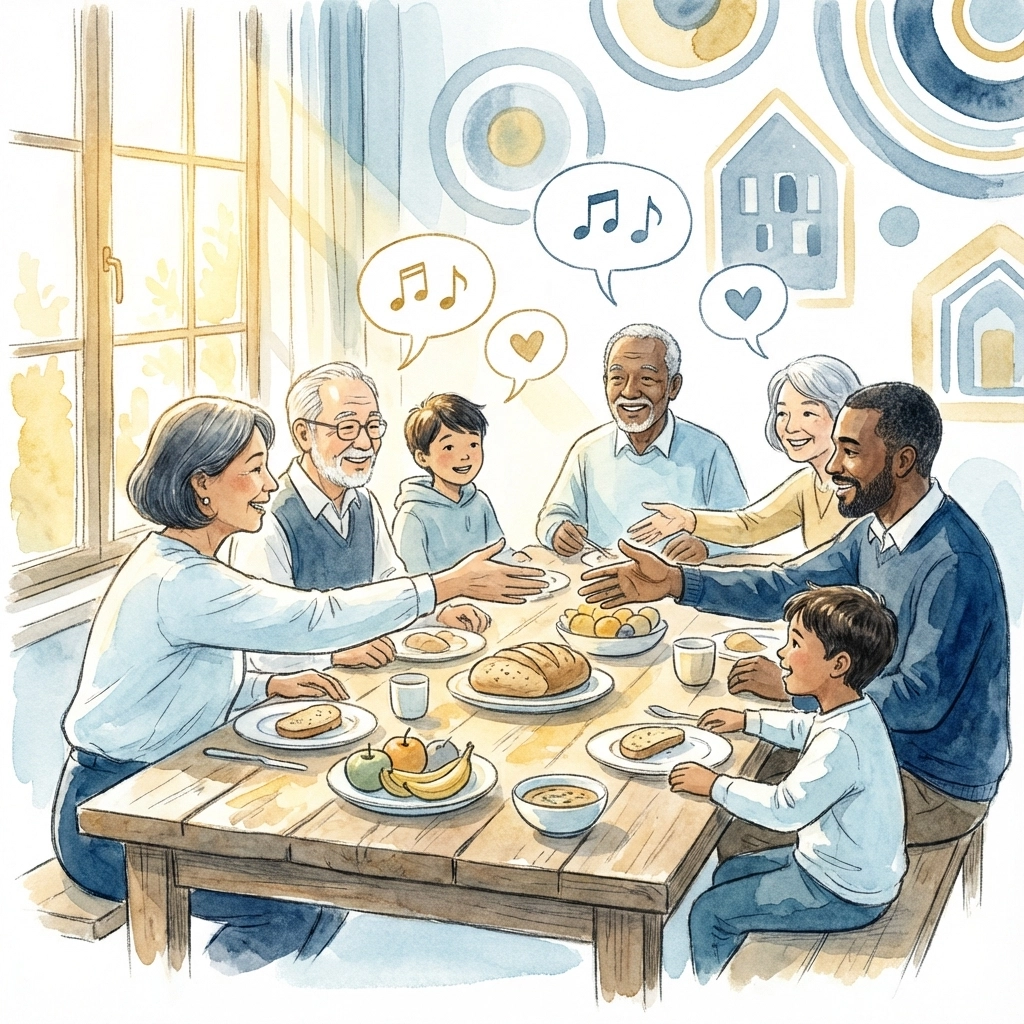
Then Moses drops something beautiful: "You shall seek the place that the Lord your God will choose... and there you shall bring your burnt offerings and your sacrifices." God wants centralized worship, yes, but notice what comes next – "and there you shall eat before the Lord your God, and you shall rejoice."
Worship becomes a family feast. Your kids are there, your household workers, the Levites from your town. This isn't stuffy religious duty – it's celebration, community, and joy all wrapped up together.
Discussion Starter: How does your family make worship feel like celebration rather than obligation? What would change if we saw Sunday worship as the highlight of our week instead of just another commitment?
Truth-Testing in Real Time (Deuteronomy 13)
Chapter 13 might make you uncomfortable, and that's the point. Moses warns about false prophets who perform signs and wonders but lead people away from God. Even if your closest family member tries to pull you toward other gods, you can't go along with it.
Sounds extreme? Maybe. But Moses is teaching Israel (and us) that truth matters more than peace-keeping. Sometimes loving someone means refusing to validate their destructive choices.

In our culture of "everyone's truth is valid," this chapter challenges us to have convictions that actually mean something. Not harsh, judgmental attitudes – but clear boundaries about what we will and won't support, even when it's hard.
Small Group Question: How do we balance love and truth when someone close to us is making choices that conflict with God's ways?
Your Dinner Plate as Discipleship (Deuteronomy 14)
Now Moses talks about food. Clean animals, unclean animals, tithing, caring for the poor. You might wonder why God cares what's on your dinner plate, but this isn't really about diet plans.
These laws made Israel visibly different from surrounding nations. Every meal was a reminder: "We belong to God. Our choices reflect that." It was discipleship disguised as dinner.
For us, the specific food laws have changed, but the principle hasn't. Paul later wrote, "Whether you eat or drink or whatever you do, do it all for the glory of God." Your everyday choices – what you buy, what you watch, how you spend your time – all of it can be worship.
The tithing sections remind us that generosity isn't just about church offerings. Every third year, Israel stored up tithes locally to care for foreigners, orphans, and widows. Faith that doesn't show up in your budget probably isn't as deep as you think it is.
Freedom and Justice (Deuteronomy 15)
Chapter 15 gets into economic justice – debt forgiveness every seven years, releasing Hebrew slaves, caring for the poor. Moses essentially creates a system that prevents permanent poverty and generational debt.
"The poor will never cease from the land," Moses says, but then immediately adds, "you shall open your hand wide to your brother." Poverty might be inevitable, but our response to it isn't.
This chapter challenges our "pull yourself up by your bootstraps" mentality. God expects His people to create safety nets, to prevent exploitation, to actively work against systems that keep people stuck.
Personal Reflection: How does your faith influence the way you think about wealth, debt, and helping others financially?
Celebration as Spiritual Discipline (Deuteronomy 16)
Moses outlines three major festivals – Passover, the Festival of Weeks, and the Festival of Booths. Notice the pattern: remember God's faithfulness, celebrate with your community, and include everyone – even the foreigners and poor.
Celebration isn't optional in God's economy. It's commanded. Three times a year, everyone stops working, tells stories of God's goodness, and parties together.
We've lost this somehow. We've made faith feel heavy and serious all the time. But God designed us for joy, for celebration, for regular reminders that He's good and life is a gift.
Group Challenge: How could your small group or family build more celebration into your spiritual rhythm?
Leadership That Actually Leads (Deuteronomy 17-18)
The final chapters tackle justice and leadership. Moses establishes courts, talks about future kings, and warns again about false prophets. The common thread? Leaders serve the people, not themselves.
Future kings can't accumulate horses, wives, or gold. They must write out their own copy of God's law and read it daily. Power doesn't exempt you from God's standards – it makes you more accountable to them.

Whether you're leading a business, a family, a ministry, or just yourself, the principle stands: leadership is stewardship. You're accountable to God for how you use whatever influence He's given you.
Making It Real
Here's what strikes me about these chapters – they're incredibly normal. Worship, work, money, family, leadership, celebration. Moses isn't describing some super-spiritual existence removed from everyday life. He's showing us how faith penetrates everything.
Your grocery shopping can honor God. Your workplace decisions can reflect His character. Your family celebrations can be worship. Your financial choices can be ministry. Your leadership style can point people to Jesus.
For Your Small Group:
The goal isn't perfection – it's integration. Faith that shows up not just on Sunday mornings but in Monday meetings, Tuesday grocery runs, and Wednesday conversations with difficult neighbors.
Moses knew something we sometimes forget: the ordinary moments are where faith becomes real. They're where we prove whether we really believe God is good, whether His ways are actually better, and whether following Him changes how we live when nobody's watching.
That's the beauty of Deuteronomy 12-18. It's not asking you to become a monk or live in a spiritual bubble. It's showing you how to live as God's person right where you are, with the people around you, in the circumstances you're actually facing.
Ready to discover what that looks like for you? Your small group might just be the perfect place to figure it out together. Need more resources for leading transformational Bible studies or developing Christian leadership in your community? Check out our leadership resources and coaching designed to help you grow deeper in faith and more effective in influence.
Comments