

Does Christian Community Really Matter in 2026? Here's the Truth
- Layne McDonald
- Jan 21
- 4 min read

You can attend church every Sunday for a decade and still feel completely alone.
That's not an accusation: it's a confession many Christians carry quietly. They show up. They smile. They shake hands. And they drive home wondering why something still feels missing.
Here's what nobody warned us about: attendance is not the same as belonging.
And in 2026, with isolation reaching epidemic levels and loneliness now classified as a public health crisis, the question isn't whether Christian community matters. The question is whether we're actually building it: or just counting heads.
The Isolation Epidemic Nobody Talks About at Church
We live in the most connected era in human history. We have group chats, social feeds, and video calls that span continents. Yet somehow, we're lonelier than ever.
The U.S. Surgeon General declared loneliness a national epidemic. Studies show that chronic isolation carries health risks equivalent to smoking 15 cigarettes a day. And here's the uncomfortable truth: church attendance alone doesn't fix it.
You can sit in a room with 500 people and still feel invisible.

Too many believers are doing faithful work in isolation. They're serving, giving, showing up: but they're running on fumes because no one truly knows them. No one asks the hard questions. No one notices when they're slipping.
This isn't a minor inconvenience. It's a spiritual emergency.
What the Research Actually Shows
Here's where things get interesting. Despite cultural headwinds, something unexpected is happening among younger generations.
According to recent Barna research, Gen Z now attends church about 1.9 weekends per month: the highest attendance rates Barna has ever recorded for young adults. Millennials are close behind at 1.8 weekends per month. This reverses decades of patterns where older adults were the most consistent attendees.
But here's the catch: they're not coming for programs. They're coming for purpose-driven belonging.
Consider what non-churchgoing Gen Z adults actually want:
78% want churches that help the poor
74% look for churches addressing mental health
72% have doubts about God and seek community around those questions
69% want opportunities to actively help others
Do you see the pattern? They're not asking for better production value or catchier sermon series. They're asking: Will you walk with me through real life?
This generation has grown up watching polished Instagram feeds while feeling profoundly unseen. They can smell performative community from a mile away. What they're hungry for is something raw, honest, and actually present.
Belonging vs. Friendliness: The Distinction That Changes Everything
Most churches are friendly. Fewer churches create belonging.
Here's the difference:
Friendliness says: "Good to see you! Hope you come back!"
Belonging says: "We noticed you weren't here last week. Are you okay?"
Friendliness is a greeting. Belonging is a covenant.
Friendliness happens in the lobby. Belonging happens when someone knows your name, your story, your struggles: and shows up anyway.

The early church didn't grow because they had excellent visitor parking. They grew because outsiders looked at them and said, "See how they love one another."
That kind of love isn't manufactured by a better welcome team. It's cultivated through intentional, sacrificial presence over time.
The Biblical Blueprint for Real Community
Scripture never presents faith as a solo project. From Genesis to Revelation, God's design is relational.
Ecclesiastes 4:9-10 reminds us: "Two are better than one... if either of them falls down, one can help the other up. But pity anyone who falls and has no one to help them up."
Hebrews 10:24-25 urges us to "consider how we may spur one another on toward love and good deeds, not giving up meeting together... but encouraging one another."
Galatians 6:2 commands us to "carry each other's burdens, and in this way you will fulfill the law of Christ."
Notice the verbs: spur, encourage, carry. These aren't passive activities. They require proximity, consistency, and vulnerability.
The Christian life was never designed to be streamed alone from your couch. It was designed to be lived shoulder-to-shoulder with people who will hold you accountable, hold you up, and hold you close.
Why Community Is Non-Negotiable for Spiritual Growth
Here's what isolation does to your faith: it lets lies go unchallenged.
When you're disconnected from honest community, the enemy's whispers sound louder. You're too far gone. Nobody would understand. Just keep pretending.
But when you're surrounded by people who know your shadows and still choose you? Those lies lose their power.
Community provides:
Accountability – Someone to ask the questions you'd rather avoid
Perspective – Eyes to see what you can't see in yourself
Encouragement – Voices to remind you who you are when you forget
Intercession – People praying for you when you don't have the strength
Dr. Layne McDonald often emphasizes that leadership and personal growth don't happen in a vacuum. Whether you're a business professional, a ministry leader, or someone just trying to follow Jesus faithfully, you need people in your corner.
Not fans. Not followers. Family.

Practical Steps to Build Genuine Christian Community
Knowing community matters isn't enough. You have to build it: and that takes intentionality.
Here are five starting points:
If you're in Memphis, FA Memphis offers multiple avenues to connect: from Heart to Heart gatherings to service opportunities that put faith into action. Check out their mission and vision to see how community is woven into everything they do.
The Truth About 2026
Christian community doesn't just matter in 2026. It matters more than ever.
We're living in an era of unprecedented connection and unprecedented loneliness. The church has an opportunity: and a responsibility: to offer something the world cannot manufacture: genuine belonging rooted in the love of Christ.
Not attendance. Belonging.
Not programs. Presence.
Not performance. Family.
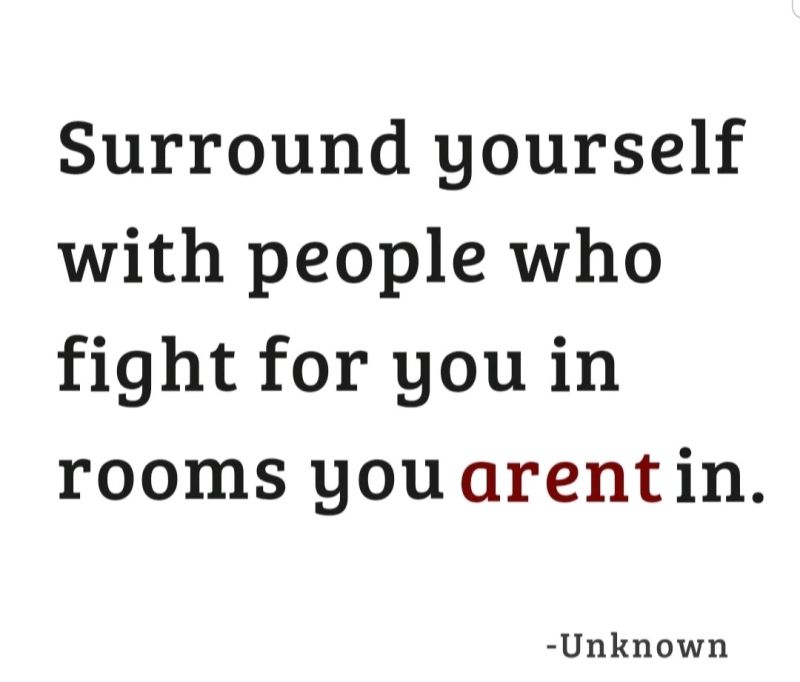
The question isn't whether you'll find a perfect community. You won't. Every church, every small group, every relationship is filled with imperfect people.
The question is whether you'll choose to be known anyway.
Your Next Step
If you've been running on empty: serving in isolation, leading alone, or quietly drifting: it's time for a change.
Dr. Layne McDonald has spent years coaching leaders, pastors, and professionals through the challenges of building authentic community and leading with integrity. Through books, video courses, and one-on-one coaching, he helps people move from isolation to connection, from burnout to purpose.
Visit www.laynemcdonald.com to explore coaching resources, leadership training, and tools for building the community you've been missing.
You weren't made to do this alone. And you don't have to.

$50
Product Title
Product Details goes here with the simple product description and more information can be seen by clicking the see more button. Product Details goes here with the simple product description and more information can be seen by clicking the see more button

$50
Product Title
Product Details goes here with the simple product description and more information can be seen by clicking the see more button. Product Details goes here with the simple product description and more information can be seen by clicking the see more button.
$50
Product Title
Product Details goes here with the simple product description and more information can be seen by clicking the see more button. Product Details goes here with the simple product description and more information can be seen by clicking the see more button.
Comments