

Does Christian Community Really Matter in 2026? Here's the Truth
- Layne McDonald
- Jan 21
- 5 min read

Something strange is happening in 2026.
We're more connected than ever. Notifications ping constantly. Group chats never sleep. Social feeds scroll endlessly. And yet, according to recent data, 55% of Americans now say they want to participate in meaningful community activities: up from just 32% in 2002.
That's not a small shift. That's a cry.
People are surrounded by digital noise but starving for something real. And here's what I believe with everything in me: the Church has exactly what this generation is aching for. The question is whether we're offering it: or just performing it.
The Loneliness Epidemic Isn't Slowing Down
You've probably heard the phrase "loneliness epidemic" by now. But the weight of it hasn't fully landed for most people.
Chronic loneliness carries the same health risk as smoking 15 cigarettes a day. It increases the likelihood of depression, anxiety, heart disease, and cognitive decline. And it doesn't discriminate: young professionals, busy parents, senior adults, and even pastors report feeling deeply isolated.
The pandemic accelerated what was already building. Remote work. Algorithm-curated friendships. Surface-level interactions disguised as connection.
Here's what the research tells us: people don't just want to be around others. They want to be known.
And that's exactly where Christian community becomes not just relevant: but essential.
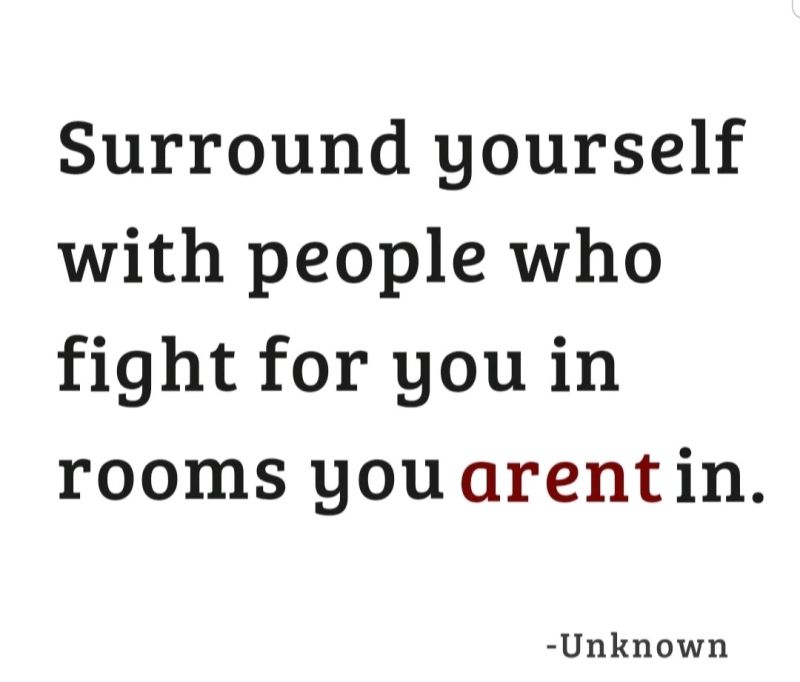
The Science: Why Belonging Is a Biological Need
Psychologists Roy Baumeister and Mark Leary introduced what's called the Belongingness Hypothesis: the idea that humans have a fundamental, pervasive need to form and maintain lasting, positive relationships.
This isn't just emotional preference. It's neurobiological.
When we feel connected, our brains release oxytocin: often called the "bonding hormone." It lowers cortisol (stress), increases trust, and activates reward centers in the brain. Belonging literally changes our chemistry.
But here's the catch: proximity doesn't equal belonging.
You can sit in a room full of people and still feel invisible. You can attend a church for years and never feel seen. Neuroscience confirms what your gut already knows: surface-level friendliness doesn't satisfy the brain's need for genuine connection.
The brain knows the difference between being greeted and being known.
Scripture: You Are Part of a Body
The Apostle Paul understood this long before brain scans existed.
"Now you are the body of Christ, and each one of you is a part of it." : 1 Corinthians 12:27 (NIV)
This isn't a metaphor for convenience. It's an identity statement.
Paul is saying: you are not an isolated unit. You are a connected part of something larger. When one part suffers, the whole body feels it. When one part thrives, the whole body benefits.
That's not just theology: it's biology. It's design.
God wired us for interdependence. And the local church, at its best, is the most powerful expression of that design on the planet.
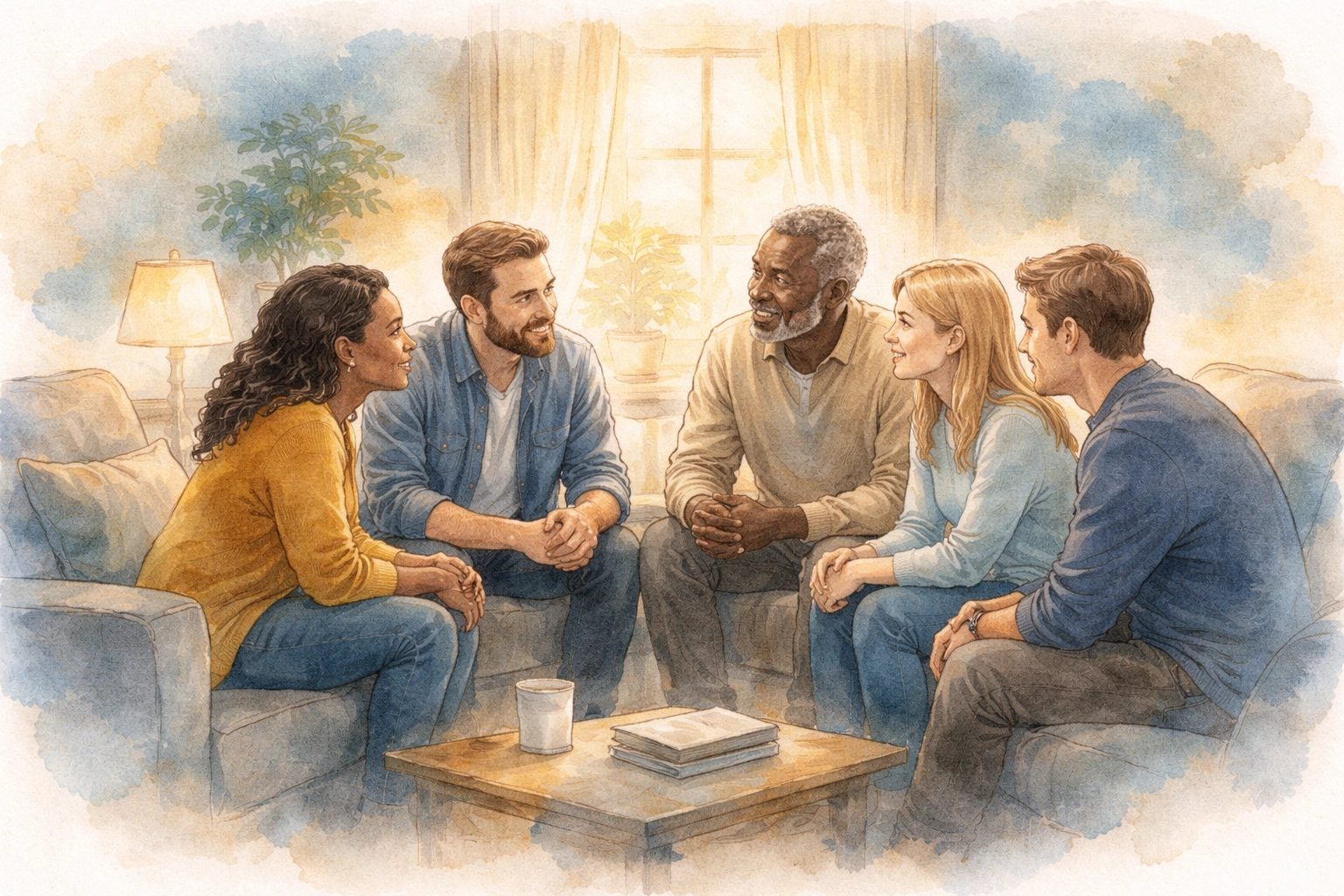
Friendliness vs. Belonging: The Gap Most Churches Miss
Here's where it gets honest.
Many churches are friendly. Greeters smile. People shake hands. The coffee is decent. But friendliness is not the same as belonging.
Friendliness says: "We're glad you're here." Belonging says: "We'd notice if you weren't."
Friendliness is a moment. Belonging is a commitment.
The Christian Community Development Association (CCDA) named building community as a core priority for 2026, specifically because "too many leaders are doing faithful work in isolation." They noted that without networks of support, "even the best efforts can plateau."
That's true for leaders: and it's true for the people sitting in the seats.
If someone can disappear from your church for three months and no one reaches out, you have a friendliness culture: not a belonging culture.
What Real Christian Community Looks Like
So what does genuine, life-giving community actually look like in 2026?
Here are a few markers:
People are known by name: and by story. Not just recognized, but understood.
Struggles are shared without shame. Vulnerability isn't punished; it's met with compassion.
Growth happens together. Transformation isn't a solo project: it's a journey done in community.
The next generation has a voice. Young people aren't just tolerated; they're empowered and heard.
Accountability exists: and it's welcomed. Not as control, but as care.
This kind of community doesn't happen by accident. It's built. It's cultivated. It requires intentional leadership and a willingness to go deeper than the Sunday morning handshake.

Why This Matters More Than Ever
Here's the truth that's hard to say out loud: Christianity is less central to American culture than it was a generation ago.
But that's not the whole story.
Because while cultural Christianity may be declining, the hunger for authentic spiritual community is rising. People are tired of shallow. They're done with performance. They're searching for something that actually works: something that holds them when life falls apart.
The Church has that.
Not because we're perfect. Not because we have all the answers. But because we serve a God who designed us for connection: and gave us each other as a gift.
When the world offers loneliness dressed up as independence, the Church can offer true belonging rooted in eternal love.
That's not outdated. That's desperately needed.
A Few Practical Steps to Build Real Community
If you're a church leader, pastor, or volunteer, here are some ways to move from friendliness toward belonging:
Train your teams to ask second questions. Don't stop at "How are you?" Ask, "What's been on your mind this week?"
Create smaller environments. Sunday services build inspiration, but small groups build connection.
Follow up with intention. A text on Tuesday means more than a handshake on Sunday.
Give people meaningful roles. Belonging increases when people contribute: not just attend.
Model vulnerability from the front. If leaders stay polished, people stay guarded.

A Reflection for You
Here's a question worth sitting with:
When was the last time you felt truly known: not just greeted: in your faith community?
If it's been a while, that's not an indictment. It's an invitation. Maybe it's time to take a step toward deeper connection. Maybe it's time to be the one who reaches out first.
Community isn't built by waiting for someone else to initiate. It's built by people who decide: I'll go first.
The Church's Moment
2026 is not a threat to the Church. It's an opportunity.
The world is drowning in content and starving for connection. People are overwhelmed by options and underwhelmed by depth.
And right in the middle of all that noise, the Church has something irreplaceable: a Christ-centered community where people can be seen, known, loved, and transformed.
That's not a relic of the past. That's the hope of the future.
If you're a pastor, leader, or business professional looking to build a culture of real belonging: whether in your church, your team, or your organization: I'd love to help.
At www.laynemcdonald.com, you'll find coaching, resources, and culture architecture tools designed to help you lead with heart and build communities that actually transform lives.
You don't have to figure this out alone. Let's build something that lasts.

$50
Product Title
Product Details goes here with the simple product description and more information can be seen by clicking the see more button. Product Details goes here with the simple product description and more information can be seen by clicking the see more button

$50
Product Title
Product Details goes here with the simple product description and more information can be seen by clicking the see more button. Product Details goes here with the simple product description and more information can be seen by clicking the see more button.
$50
Product Title
Product Details goes here with the simple product description and more information can be seen by clicking the see more button. Product Details goes here with the simple product description and more information can be seen by clicking the see more button.
Comments