Dopamine vs. Delight: Why Your Prefrontal Cortex Struggles with Purpose
- Dr. Layne McDonald
- Feb 20
- 5 min read

You just picked up your phone to check one notification. Forty-five minutes later, you've watched three reels, read two articles about nothing important, and somehow ended up on a stranger's vacation photos from 2019.
Sound familiar?
Your brain isn't broken. It's actually doing exactly what it was designed to do: chase rewards. The problem is that modern life has hijacked that system, and now your deepest sense of purpose is competing with an endless scroll of cheap thrills.
Here's the good news: science and Scripture agree on the solution. And once you understand what's happening between your ears, you can finally start winning the war for your attention: and your soul.
The Dopamine Loop: Your Brain's Favorite Shortcut
Dopamine is often called the "feel-good" chemical, but that's not quite accurate. It's actually the anticipation chemical. Your brain releases dopamine when it expects a reward, not necessarily when it receives one.
This is why:
You feel a rush when you see a notification pop up
The first bite of dessert tastes better than the last
Scrolling feels exciting even when you find nothing interesting
Your amygdala: the emotional center of your brain: loves this game. It's wired for survival, constantly scanning for threats and rewards. When it detects potential pleasure, it floods your system with dopamine, pushing you toward that next hit.
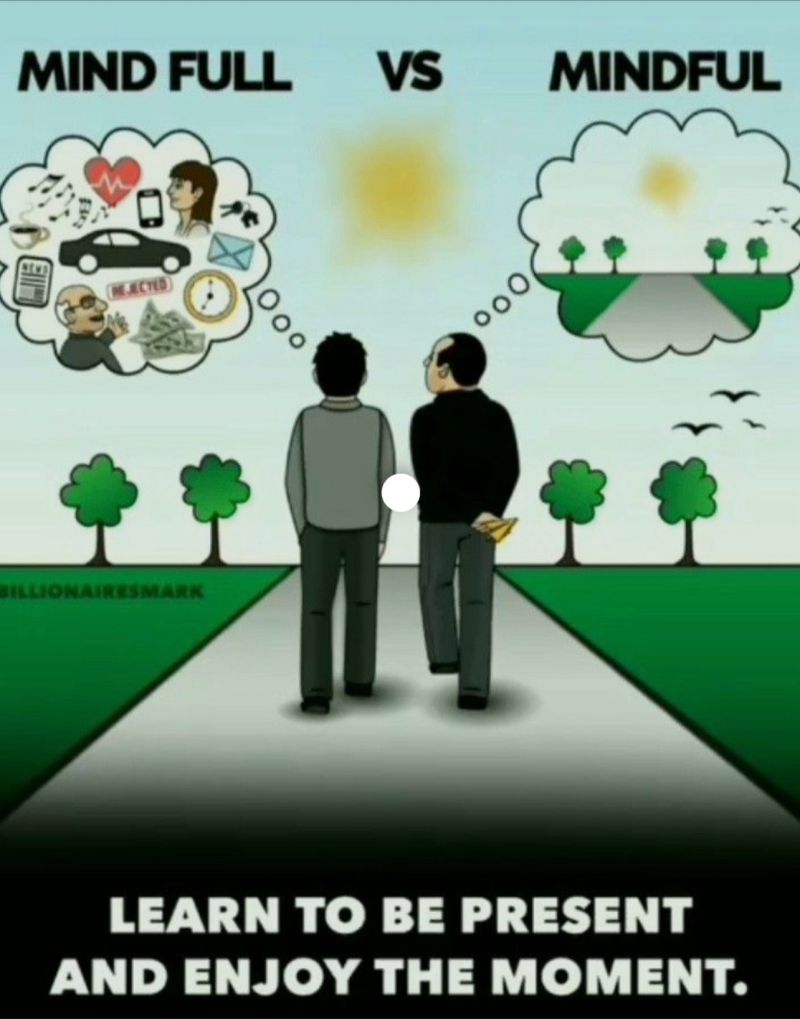
The problem? This loop doesn't care about your long-term wellbeing. It doesn't distinguish between scrolling Instagram and building a meaningful career. It just wants more, faster, now.
The Prefrontal Cortex: Your Built-In Purpose Center
Here's where things get interesting. While your amygdala is chasing quick rewards, your prefrontal cortex: located right behind your forehead: is designed for something entirely different.
Research shows that the prefrontal cortex is responsible for:
Long-term planning and goal-setting
Impulse control and decision-making
Complex reasoning and self-reflection
Maintaining focus despite distractions
Neuroscientists have discovered that dopamine affects the prefrontal cortex differently than other brain regions. There's an "inverted U-shaped curve" at play: meaning you need optimal dopamine levels for peak function. Too little, and you can't focus. Too much, and you become scattered and impulsive.
When you're constantly chasing quick dopamine hits, you're essentially drowning your prefrontal cortex in noise. It can't do its job of helping you build a meaningful life when it's constantly interrupted by the amygdala's demands for instant gratification.
What Scripture Knew Before Neuroscience
King David didn't have an fMRI machine, but he understood something profound about the human experience.
"You make known to me the path of life; you will fill me with joy in your presence, with eternal pleasures at your right hand." : Psalm 16:11 (NIV)
Notice the language here: path of life, joy in your presence, eternal pleasures.
David is describing a different kind of reward system entirely. Not the fleeting buzz of dopamine, but deep, sustaining delight that comes from purpose and presence with God.
This isn't religious poetry disconnected from reality. It's a blueprint for how your brain actually thrives.

The Hebrew word for "pleasures" in this verse is ne'imot: which implies ongoing, continual satisfaction. Not a spike that crashes, but a steady stream of fulfillment.
Your prefrontal cortex was designed for this kind of reward. It flourishes when you pursue meaning over stimulation, connection over consumption, purpose over pleasure-seeking.
Why Young Professionals Are Especially Vulnerable
If you're in your twenties or thirties, you're navigating a perfect storm:
Career pressure pushing you toward constant productivity
Social media engineered to exploit your dopamine system
Decision fatigue from endless options and opportunities
Isolation despite being more "connected" than ever
Your brain is still developing well into your mid-twenties, which means your prefrontal cortex is literally still under construction. Meanwhile, tech companies have spent billions figuring out exactly how to hijack your attention.
No wonder finding purpose feels so hard. You're trying to build a cathedral while someone keeps handing you candy.

Practical Steps to Reclaim Your Brain
Understanding the science is helpful. But what can you actually do about it? Here are five practical strategies backed by both research and biblical wisdom:
1. Create Dopamine Fasts
You don't need to go live in a cave. But intentionally stepping away from high-stimulation activities helps reset your brain's reward threshold. Try:
One hour of phone-free time each morning
One full day per week without social media
Replacing screen time with prayer, journaling, or walks
2. Feed Your Prefrontal Cortex
Your decision-making center needs the right fuel. Research shows that sleep, exercise, and protein all support prefrontal function. But here's the spiritual dimension: meditation on Scripture literally changes your brain structure through neuroplasticity.
Spending time in God's Word isn't just good for your soul: it's good for your neurons.
3. Practice Delayed Gratification
Every time you choose a long-term benefit over an immediate reward, you're strengthening neural pathways in your prefrontal cortex. Start small:
Wait 10 minutes before responding to non-urgent messages
Save a portion of every paycheck before spending
Complete your most important task before checking email
4. Pursue Purpose in Community
Your brain has a "social network" of its own: mirror neurons that help you connect with others. Isolation amplifies the dopamine chase because you're trying to fill a relational void with digital substitutes.
Find a mentor. Join a small group. Invest in real relationships where you can grow together in faith and purpose.
5. Anchor Your Identity in Christ
The deepest solution isn't behavioral: it's spiritual. When your identity is rooted in Christ, you're no longer desperately seeking validation from likes, achievements, or experiences. You already have what your soul craves.
As Paul wrote, "I have learned the secret of being content in any and every situation" (Philippians 4:12). That's prefrontal cortex peace that no algorithm can touch.
The Invitation to Something More
Here's what I want you to hear: the restlessness you feel isn't a character flaw. It's your soul recognizing that you were made for more than dopamine loops and endless scrolling.
God designed your brain with the capacity for deep, lasting delight. Not the cheap thrill of another notification, but the profound satisfaction of living with purpose, in community, rooted in His presence.
Psalm 16:11 isn't just a nice verse for a coffee mug. It's a neuroscientific reality and a spiritual invitation wrapped into one.
Your prefrontal cortex is waiting to be set free. Your soul is longing for something real.
Ready to Go Deeper?
If you're tired of the dopamine chase and ready to discover genuine purpose and peace, Dr. Layne McDonald offers coaching, workshops, and resources designed specifically for young professionals seeking Christian personal growth.
Through one-on-one mentorship and practical training, you can learn to rewire your habits, renew your mind, and step into the life God created you to live.
Connect with Layne McDonald Ministries today and start your journey from dopamine to delight.

Comments