

Emotional Intelligence: The Secret to Teams That Multiply Impact
- Layne McDonald
- Dec 27, 2025
- 5 min read

Right now, across corporate boardrooms and break rooms alike, a quiet crisis is unfolding. Teams are fragmenting. Trust is eroding. And the numbers tell a sobering story: declining emotional intelligence isn't just hurting feelings: it's bleeding businesses dry, costing millions in turnover, burnout, and stifled innovation.
But here's what gives me hope: beneath every spreadsheet and quarterly report, people aren't just surviving; they're desperately craving something deeper. They want connection. They hunger for empathy. They're searching for authentic trust. And when leaders create that kind of emotional safety, something extraordinary happens: teams don't just perform, they multiply impact.
The Hidden Cost of Emotional Disconnect
The statistics paint a stark picture. Organizations with low emotional intelligence experience turnover rates that can reach 40% higher than their emotionally intelligent counterparts. But the real cost goes beyond empty desks and exit interviews.
When emotional intelligence declines, creativity suffocates. Innovation stalls. Teams that should be collaborating start competing internally. Decision-making becomes reactive rather than strategic. The ripple effects touch every corner of an organization, from customer satisfaction to long-term growth potential.
Research consistently shows that teams with higher emotional intelligence outperform others by 25% in productivity. They communicate more effectively, resolve conflicts faster, and demonstrate greater resilience during challenging periods. Most importantly, they create environments where every team member feels valued and understood.

What Your People Are Really Craving
Behind every performance review and team meeting, your people are asking fundamental questions: "Do you see me as more than my output? Do you care about my growth, not just my deliverables? Can I trust you with my authentic self?"
These aren't soft skills: they're survival skills in today's workplace. When team members feel emotionally safe, they take calculated risks. They share innovative ideas. They speak up about problems before they become crises. They invest in each other's success rather than protecting their own interests.
The hunger for authentic leadership has never been greater. People want leaders who listen with their whole attention, who celebrate effort alongside results, and who create space for genuine human connection in the midst of business pressures.
The Science of Emotional Intelligence in Teams
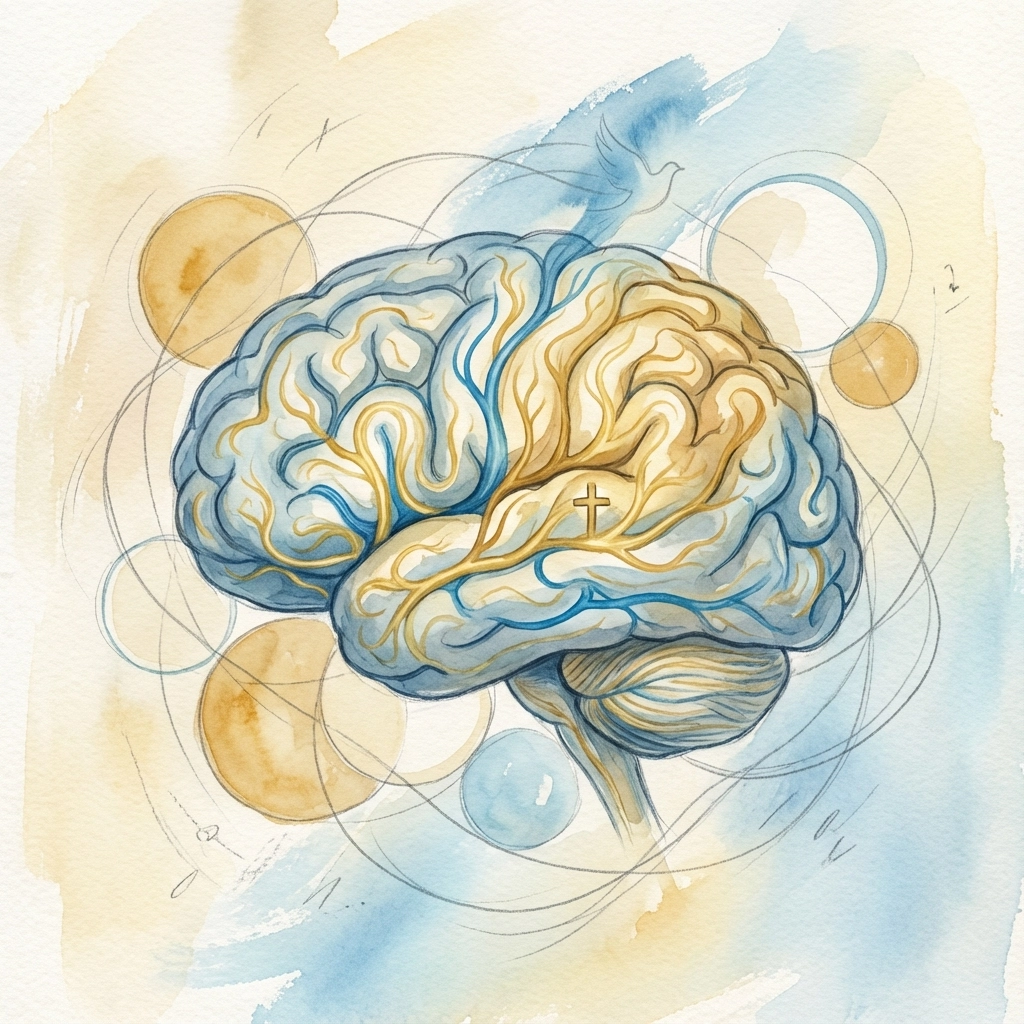
Neuroscience reveals something powerful: when we feel emotionally connected to our team, our brains literally rewire for better performance. The prefrontal cortex: responsible for creative thinking and problem-solving: functions optimally when we're not in fight-or-flight mode.
Teams with high emotional intelligence demonstrate remarkable characteristics:
• Enhanced communication: They share information more freely and listen more actively • Improved conflict resolution: Disagreements become opportunities for innovation rather than sources of division • Greater adaptability: They view setbacks as learning experiences rather than failures • Stronger collaboration: Trust enables seamless coordination and mutual support • Increased innovation: Psychological safety encourages creative risk-taking and unconventional thinking
The research is clear: emotional intelligence isn't just nice to have: it's the foundation upon which high-performing teams are built.

Four Daily Habits That Transform Team Dynamics
Building emotional intelligence doesn't require corporate retreats or expensive training programs. It starts with simple, intentional daily practices that any leader can implement:
1. Slow Down Enough to Truly Listen
Real listening means more than waiting for your turn to speak. It's about creating space for others to share not just their ideas, but their concerns, hopes, and authentic perspectives. When team members feel heard, they contribute more freely and invest more deeply in collective success.
Practice active listening by putting away devices, making eye contact, and asking follow-up questions that show genuine curiosity. This simple shift can transform team meetings from information exchanges into collaboration sessions.
2. Notice Someone's Effort, Not Just Their Results
Results matter, but effort reveals character. When you acknowledge the process: the late nights, the creative problem-solving, the willingness to learn from mistakes: you're investing in long-term growth rather than short-term outcomes.
This doesn't mean lowering standards; it means recognizing that sustainable high performance comes from teams that feel valued for who they are, not just what they produce.
3. Practice Gratitude: Out Loud
Gratitude isn't just a feel-good exercise: it's a neurological reset button. When expressed authentically, gratitude rewires both the giver's and receiver's brains for optimism, resilience, and collaborative thinking.
Make gratitude specific and public when appropriate. Instead of generic praise, highlight particular contributions and explain their impact on the team and mission.
4. Ask "How Are You, Really?"
This question, asked with genuine interest and appropriate timing, opens doors to authentic connection. It signals that you see team members as whole people, not just professional resources.
Be prepared to listen to the real answer, and create psychological safety for honest responses without judgment or immediate problem-solving unless requested.
Building Emotionally Intelligent Teams
Creating teams that multiply impact requires intentional cultivation of emotional intelligence at every level. This goes beyond individual development to include systems and cultures that support emotional growth.
Start by modeling vulnerability appropriately. Share your own learning experiences, admit when you don't have all the answers, and demonstrate how to handle pressure with grace. Teams mirror their leaders' emotional patterns.
Create regular opportunities for team members to connect beyond task completion. This might include brief check-ins during meetings, informal collaboration time, or structured reflection sessions where team members can share insights and challenges.
Establish clear communication norms that prioritize respect, curiosity, and constructive feedback. When conflicts arise: and they will: address them promptly and view them as opportunities to strengthen relationships rather than threats to productivity.

The Transformational Ripple Effect
When emotional intelligence becomes embedded in team culture, the transformation extends far beyond immediate performance metrics. Teams begin to see their work as more than transactional: it becomes transformational.
Members start investing in each other's growth, celebrating collective wins, and supporting each other through challenges. They develop resilience that helps them navigate uncertainty with confidence rather than anxiety.
Perhaps most importantly, emotionally intelligent teams create legacy. They develop future leaders, inspire innovation that serves others, and contribute to organizational cultures that attract and retain exceptional talent.
This transformation aligns beautifully with biblical principles of servant leadership, mutual encouragement, and using our gifts to serve others. When we lead with emotional intelligence, we're living out the call to "encourage one another and build each other up" (1 Thessalonians 5:11).
Your Next Step Toward Multiplied Impact
The journey toward emotionally intelligent leadership starts with a single conversation, a moment of genuine listening, or an expression of authentic gratitude. You don't need permission to begin: you just need intention.
Consider which of the four daily habits resonates most strongly with your current leadership challenges. Start there, practice consistently, and observe how small changes in emotional awareness create significant shifts in team dynamics.
If you're ready to dive deeper into practical emotional intelligence strategies for yourself or your organization, I invite you to explore the free resources, community groups, and personalized coaching available at www.laynemcdonald.com. Whether you're looking for group training, individual mentorship, or comprehensive leadership development, there are tools designed to help you build the kind of teams that don't just perform: they transform.
The world needs leaders who understand that sustainable success comes from hearts connected in common purpose. Your team is waiting for that kind of leadership. The question isn't whether you have what it takes: it's whether you're willing to take the first step.
How do you bring emotional presence to your workplace or team? I'd love to hear your story and learn from your experience as we build a community of leaders committed to multiplying impact through authentic connection.

$50
Product Title
Product Details goes here with the simple product description and more information can be seen by clicking the see more button. Product Details goes here with the simple product description and more information can be seen by clicking the see more button

$50
Product Title
Product Details goes here with the simple product description and more information can be seen by clicking the see more button. Product Details goes here with the simple product description and more information can be seen by clicking the see more button.
$50
Product Title
Product Details goes here with the simple product description and more information can be seen by clicking the see more button. Product Details goes here with the simple product description and more information can be seen by clicking the see more button.
Comments