
Exodus Unfiltered: Part 1 – Out of Egypt (Exodus 1–6)
- Dr. Layne McDonald
- Dec 30, 2025
- 7 min read

Picture this: You're watching the most intense prison break movie ever made, except it's not fiction, it's the real story of how God orchestrated the greatest rescue mission in human history. Welcome to Exodus Unfiltered, where we're diving deep into one of the Bible's most action-packed books without any sugar-coating or church-speak. Just raw, honest conversations about what it really means when God shows up to set people free.
Over the next five weeks, we're going to walk through the entire book of Exodus together, and trust me, it's going to get messy, beautiful, frustrating, and absolutely amazing. Today, we're starting with chapters 1-6, where everything begins with oppression and ends with hope, sound familiar?
When Life Gets Really, Really Hard
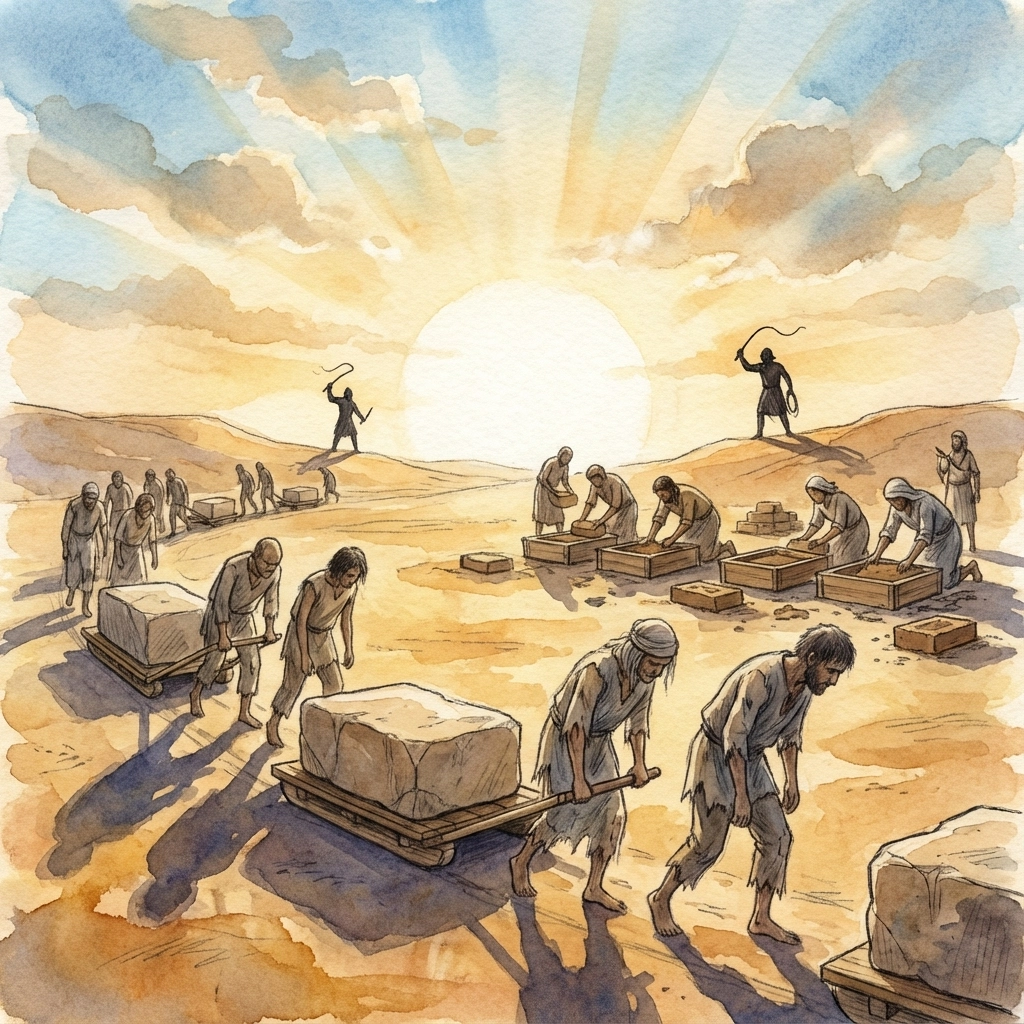
Let's set the scene. The Israelites have been living in Egypt for about 400 years. Remember Joseph? Yeah, that guy who went from prisoner to Pharaoh's right-hand man? Well, he's been dead for a while now, and there's a new sheriff in town, literally. A new Pharaoh who doesn't know the history, doesn't care about the contributions the Israelites made, and sees them as nothing but a threat.
The text tells us the Israelites were "fruitful and increased greatly" (Exodus 1:7). They went from 70 people to potentially over 2 million. But instead of celebrating this blessing, Pharaoh gets paranoid. Sound like anyone you know? Sometimes the very things God blesses us with become the source of other people's jealousy and fear.
Here's where things get brutal. Pharaoh doesn't just make them slaves, he tries to break their spirit. Hard labor, impossible quotas, and then the unthinkable: genocide. He orders all Hebrew baby boys to be thrown into the Nile River. Can you imagine? Parents hiding their children, living in constant fear, watching their oppression get worse instead of better.
Personal Questions to Think About:
Have you ever felt like your circumstances were getting worse even when you were trying to do the right thing?
What does oppression look like in your own life, maybe not physical slavery, but emotional, spiritual, or relational chains?
How do you typically respond when you feel powerless in a situation?
Group Discussion Questions:
Why do you think God allowed His chosen people to suffer for 400 years before intervening?
What can we learn from the Hebrew midwives who refused to follow Pharaoh's orders to kill babies?
How does systemic oppression in Exodus compare to injustices we see today?
Enter the Unlikely Hero
Now here's where the story gets interesting. God's rescue plan doesn't start with an army or a superhero, it starts with a baby floating in a basket. Moses, whose name literally means "drawn out," gets pulled from the very river where countless other babies died. The irony is thick: Pharaoh's own daughter raises the future deliverer of Israel.
But Moses isn't your typical hero story. By chapter 2, he's a grown man with anger management issues. He sees an Egyptian beating a Hebrew slave and kills him. Then he tries to break up a fight between two Hebrews, and they basically tell him, "Who made you the boss?" Moses realizes his secret is out and runs for his life.
For the next 40 years, Moses tends sheep in the middle of nowhere. Talk about a career change! From palace prince to fugitive shepherd. Ever feel like God has you in a holding pattern? Like your life took a detour and you're wondering if you'll ever get back on track?
The Burning Bush That Changes Everything
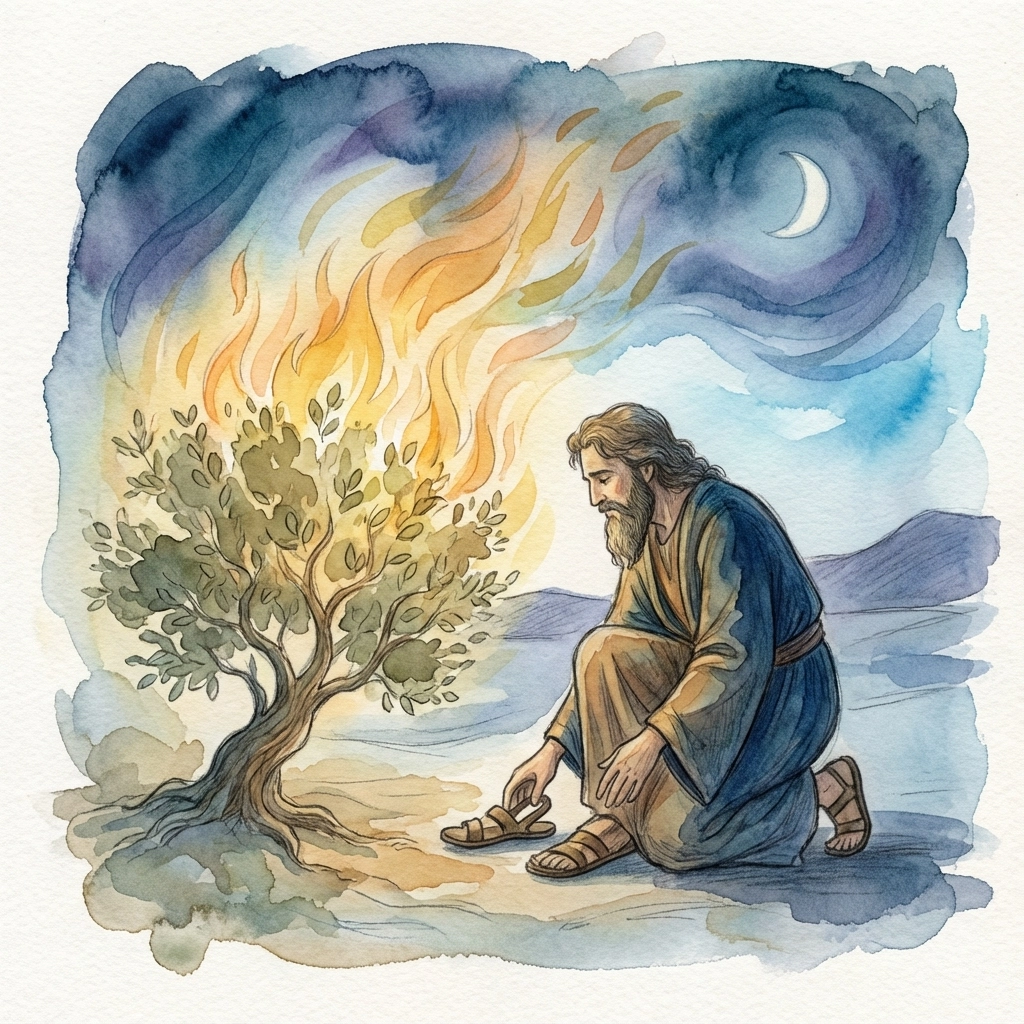
Chapter 3 is where everything shifts. Moses is just doing his job, probably thinking about lunch or wondering if it's going to rain, when suddenly there's this bush that's on fire but not burning up. Most of us would probably take a picture and post it on social media, but Moses does something better, he investigates.
God calls Moses by name. Not once, but twice: "Moses, Moses!" And Moses responds, "Here I am." Three simple words that change the trajectory of history. But here's what I love, God doesn't immediately give Moses his mission. First, He tells him to take off his shoes because he's standing on holy ground.
There's something powerful about removing your shoes. It's vulnerable. It's humbling. It says, "I'm not going anywhere fast, and I'm ready to listen." When was the last time you metaphorically took off your shoes before God?
Then God drops the bombshell: "I have indeed seen the misery of my people in Egypt. I have heard them crying out because of their slave drivers, and I am concerned about their suffering" (Exodus 3:7). God sees. God hears. God cares. And He's ready to do something about it.
But wait, there's more! God doesn't just say He's going to rescue them, He reveals His plan: "So I have come down to rescue them from the hand of the Egyptians and to bring them up out of that land into a good and spacious land, a land flowing with milk and honey" (Exodus 3:8).
Here's the plot twist that nobody saw coming: God tells Moses, "So now, go. I am sending you to Pharaoh to bring my people the Israelites out of Egypt" (Exodus 3:10). Wait, what? Moses went from minding his own business to being God's spokesperson in about five minutes.
Moses: The Master of Excuses
What happens next is both hilarious and heartbreaking. Moses, who just witnessed a burning bush and heard the voice of God, immediately starts making excuses:
Excuse #1: "Who am I?" (Translation: "I'm not qualified!") Excuse #2: "What if they don't believe me?" (Translation: "I don't have enough credibility!") Excuse #3: "I'm not a good speaker!" (Translation: "I don't have the skills!")
Does this sound like anyone you know? Maybe someone you see in the mirror?
God patiently addresses every single excuse. He promises to be with Moses, gives him miraculous signs to perform, and even provides his brother Aaron to help with the speaking. But Moses still isn't convinced. He basically says, "Please send someone else."
I love this part because it shows us that God doesn't just call the equipped: He equips the called. Moses' inadequacy isn't a disqualifier; it's exactly why God can use him. When we're weak, God's strength shows up in ways that can't be explained by human effort.
Personal Questions to Dig Deeper:
What excuses do you typically make when you feel God calling you to do something difficult?
How has God shown up in your life during times when you felt completely unprepared?
What "burning bush" moments have you had where you knew God was trying to get your attention?
Group Discussion Questions:
Why do you think God chose Moses, who had a speech impediment and a criminal past, to be the deliverer?
What's the difference between humility and self-doubt when it comes to answering God's call?
How do we know when God is asking us to do something versus when it's just our own idea?
The Mission Begins (Sort Of)
Moses finally returns to Egypt with Aaron, and they gather all the elders of Israel. They perform the signs God gave them, and amazingly, the people believe! They worship God and express gratitude that He has seen their suffering. It's a beautiful moment of unity and hope.
But then reality hits.
Moses and Aaron march into Pharaoh's palace and deliver God's message: "Let my people go." Pharaoh's response is classic: "Who is the Lord, that I should obey him and let Israel go? I do not know the Lord and I will not let Israel go" (Exodus 5:2).
Not only does Pharaoh refuse, but he makes the Israelites' situation worse. Now they have to gather their own straw to make bricks while maintaining the same quota. It's like your boss finding out you asked for a raise and responding by doubling your workload.
The Israelites turn on Moses: "May the Lord look on you and judge you! You have made us obnoxious to Pharaoh and his officials and have put a sword in their hands to kill us" (Exodus 5:21). Ouch. Talk about a tough crowd.
Moses goes back to God feeling defeated: "Why, Lord, why have you brought trouble on this people? Is this why you sent me? Ever since I went to Pharaoh to speak in your name, he has brought trouble on this people, and you have not rescued your people at all" (Exodus 5:22-23).
Have you ever felt like this? Like you tried to do what God asked, and everything got worse instead of better?
God's Response: Remember the Promise
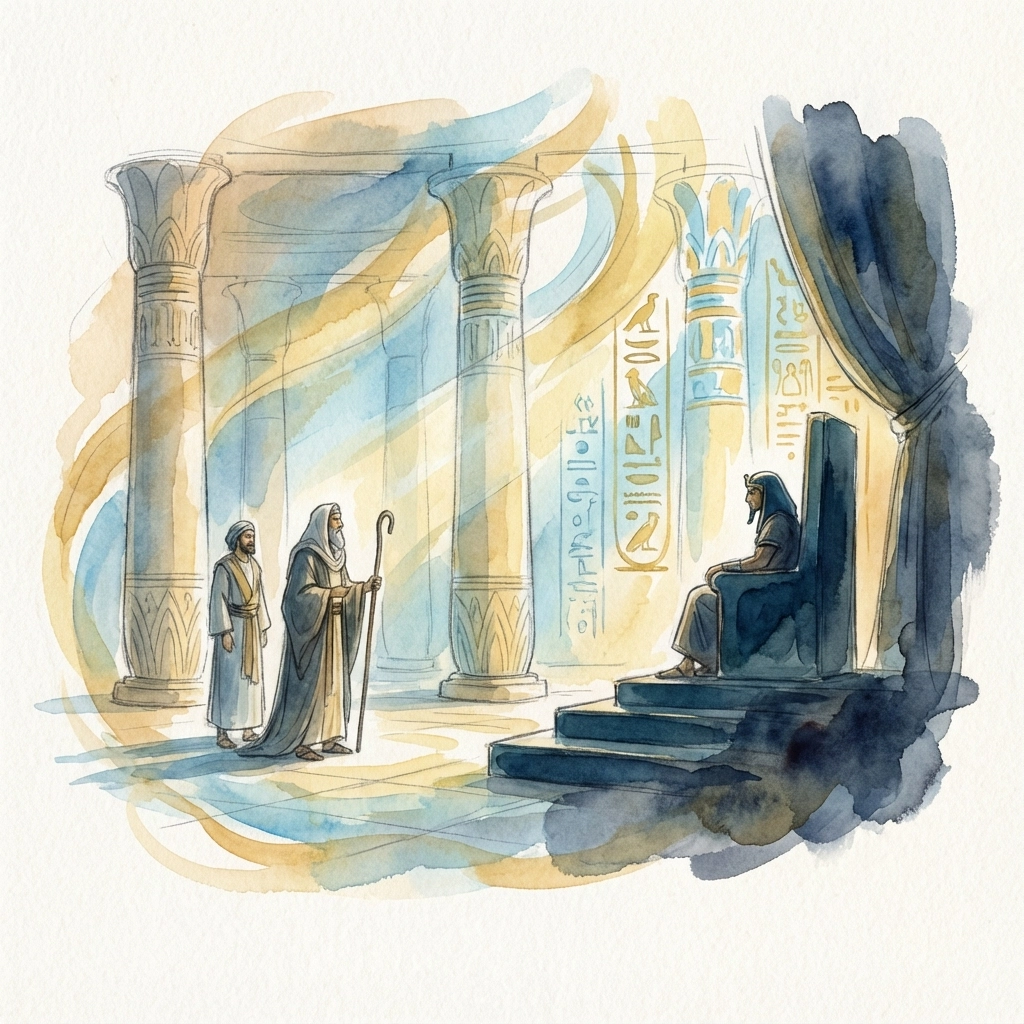
Chapter 6 is where God reminds Moses (and us) that His plans aren't derailed by human resistance. God doesn't get defensive or apologetic. Instead, He doubles down on His promise with seven powerful "I will" statements:
"I will bring you out from under the yoke of the Egyptians"
"I will free you from being slaves to them"
"I will redeem you with an outstretched arm"
"I will take you as my own people"
"I will be your God"
"I will bring you to the land I swore to give to Abraham, Isaac and Jacob"
"I will give it to you as a possession"
Notice something? Every single promise starts with "I will": not "you will" or "we will" or "maybe." God is making it clear that He's the one doing the work. The deliverance doesn't depend on Moses' eloquence, the people's faith, or Pharaoh's cooperation. It depends on God's character and His covenant.
But here's the kicker: Moses tells the people what God said, but "they did not listen to him because of their discouragement and harsh labor" (Exodus 6:9). Sometimes we're so beaten down by our circumstances that we can't even hear hope when it's offered to us.
But guess what happens next? God tells Moses to go back to Pharaoh anyway. Even when people don't listen, even when the first attempt fails, even when you feel like giving up: God's plan is still in motion.
That's where we'll pick up next week in Part 2: "Signs, Wonders, and Stubborn Hearts" (Exodus 7-12). Trust me, you don't want to miss what happens when God starts showing Pharaoh exactly who He is through ten increasingly intense plagues. Spoiler alert: it gets crazy.
Group Challenge for This Week: Take some time this week to identify one area where you feel stuck or oppressed: whether it's a relationship, a job situation, a habit, or an emotional struggle. Spend time in prayer asking God to show you how He sees that situation and what role He might be calling you to play in your own deliverance story.
Final Questions to Leave You Thinking:
What would change in your life if you really believed that God sees your situation, hears your prayers, and cares about your struggles?
How might God be preparing you right now for something you can't see yet?
What would it look like to trust God's "I will" promises even when your circumstances suggest otherwise?
Next week, we're diving into the showdown between God and Pharaoh, and let me tell you: it's going to get intense. Bring your appetite for the miraculous and maybe some tissues for the emotional rollercoaster ahead. This is just the beginning of the most epic rescue story ever told, and you're invited to be part of the conversation.
See you next week for Exodus Unfiltered Part 2, where we'll discover that sometimes God has to get our attention through extraordinary means: and Pharaoh is about to learn that the hard way.
Comments