
Exodus Unfiltered: Part 2 – Ten Plagues, One Big Rescue (Exodus 7–13)
- Dr. Layne McDonald
- Dec 30, 2025
- 6 min read

Picture this: You're watching the most intense reality TV show ever created. There's a stubborn ruler, an entire nation held captive, and ten increasingly dramatic "episodes" that make even the wildest Netflix series look tame. Welcome back to Exodus Unfiltered, where we're diving into the ultimate showdown between Pharaoh and the God of the universe.
If you missed Part 1, don't worry – we'll catch you up quickly. Moses went from fugitive shepherd to God's chosen deliverer, armed with nothing but a staff and some divine backing. Now? Things are about to get really interesting.
Setting the Stage: When Negotiations Break Down
Remember how Moses and Aaron walked into Pharaoh's palace with a simple request? "Let our people go." Pharaoh's response was basically, "Who's this God you're talking about? Never heard of Him."
Big mistake, Pharaoh. Huge.
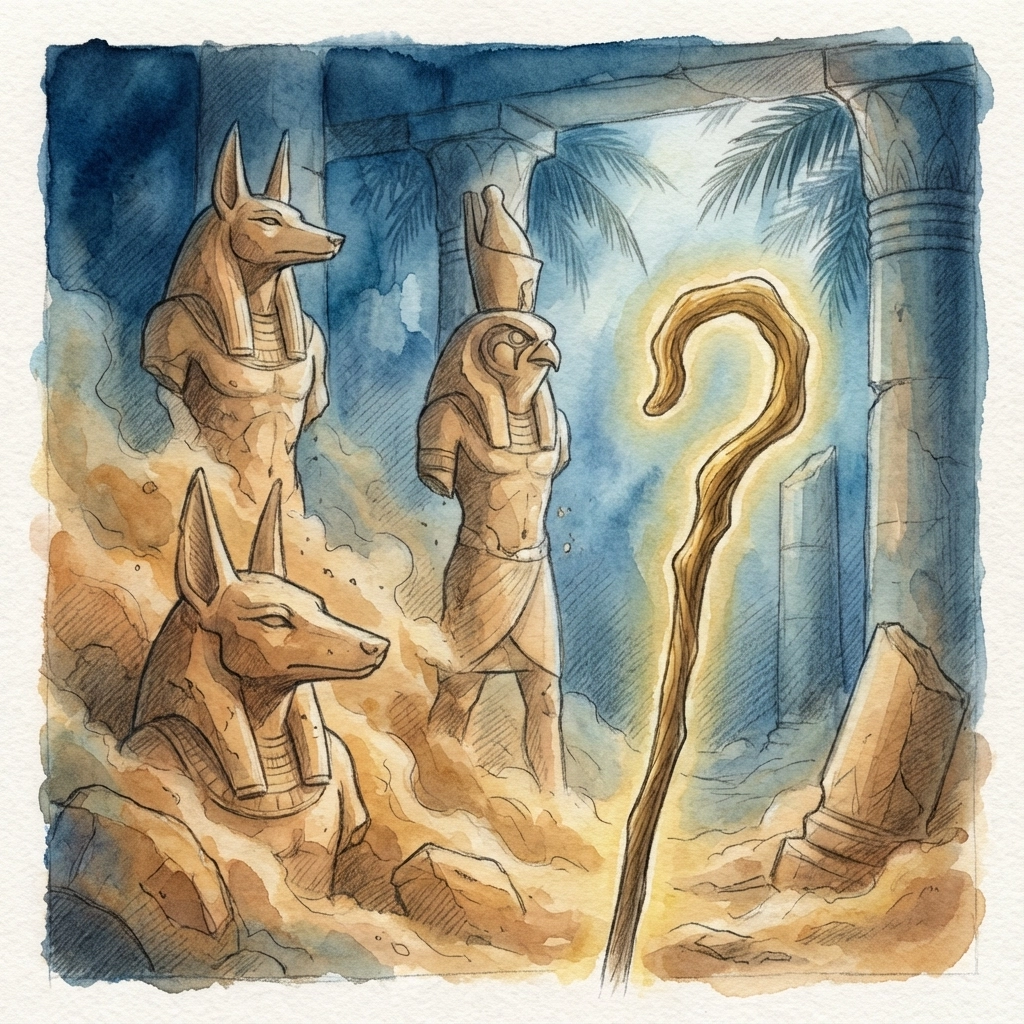
What follows in Exodus 7-13 isn't just a series of natural disasters. It's God systematically dismantling Egypt's entire belief system, one plague at a time. Each plague targeted specific Egyptian gods, showing that the God of Israel wasn't just another deity in the lineup – He was the only one who actually showed up to work.
Round 1-3: Water, Frogs, and Gnats (Oh My!)
The first plague hits where it hurts – the Nile River, Egypt's lifeline and the domain of their god Hapi. When Moses strikes the water and it turns to blood, it's not just gross; it's a direct challenge to Egypt's spiritual foundation. Imagine if someone turned your morning coffee into something undrinkable. Now multiply that by an entire civilization's water supply.
But Pharaoh's magicians pull off the same trick (though honestly, turning more water into blood when you're already dealing with a blood-water crisis seems counterproductive, but hey, that's ego for you). Pharaoh's heart remains unmoved.
Next come the frogs. Everywhere. In beds, in ovens, in kneading bowls. The goddess Heqet, depicted with a frog head, was supposed to protect Egyptian women in childbirth. Instead, her symbol becomes a nationwide nightmare. Even the magicians manage to make more frogs appear, because apparently when you're knee-deep in amphibians, the logical solution is... more amphibians?
The third plague – gnats from dust – finally stumps the magicians. They throw in the towel, declaring, "This is the finger of God." Even they recognize there's a power at work beyond human ability.
Personal Reflection Questions:
When have you seen God work in ways that clearly showed His power over circumstances you couldn't control?
How do you respond when faced with situations that challenge your understanding or control?
Round 4-6: Flies, Livestock, and Boils
Now God starts showing surgical precision. The fourth plague sends swarms of flies, but not to Goshen where the Israelites live. This geographical distinction makes it crystal clear – this isn't random; it's intentional.
The fifth plague targets Egyptian livestock while sparing Israel's animals. The gods Apis (sacred bull) and Hathor (cow goddess) are powerless to protect what they're supposed to represent.
The sixth plague brings painful boils that are so severe, Pharaoh's own magicians can't even stand in his presence anymore. The very people who were supposed to represent divine power are writhing in pain, unable to help themselves, let alone their Pharaoh.
But here's what's fascinating: After each plague, Pharaoh's heart grows harder. It's not just stubbornness – it's a spiritual condition that gets worse with each demonstration of God's power.
The Psychology of a Hard Heart
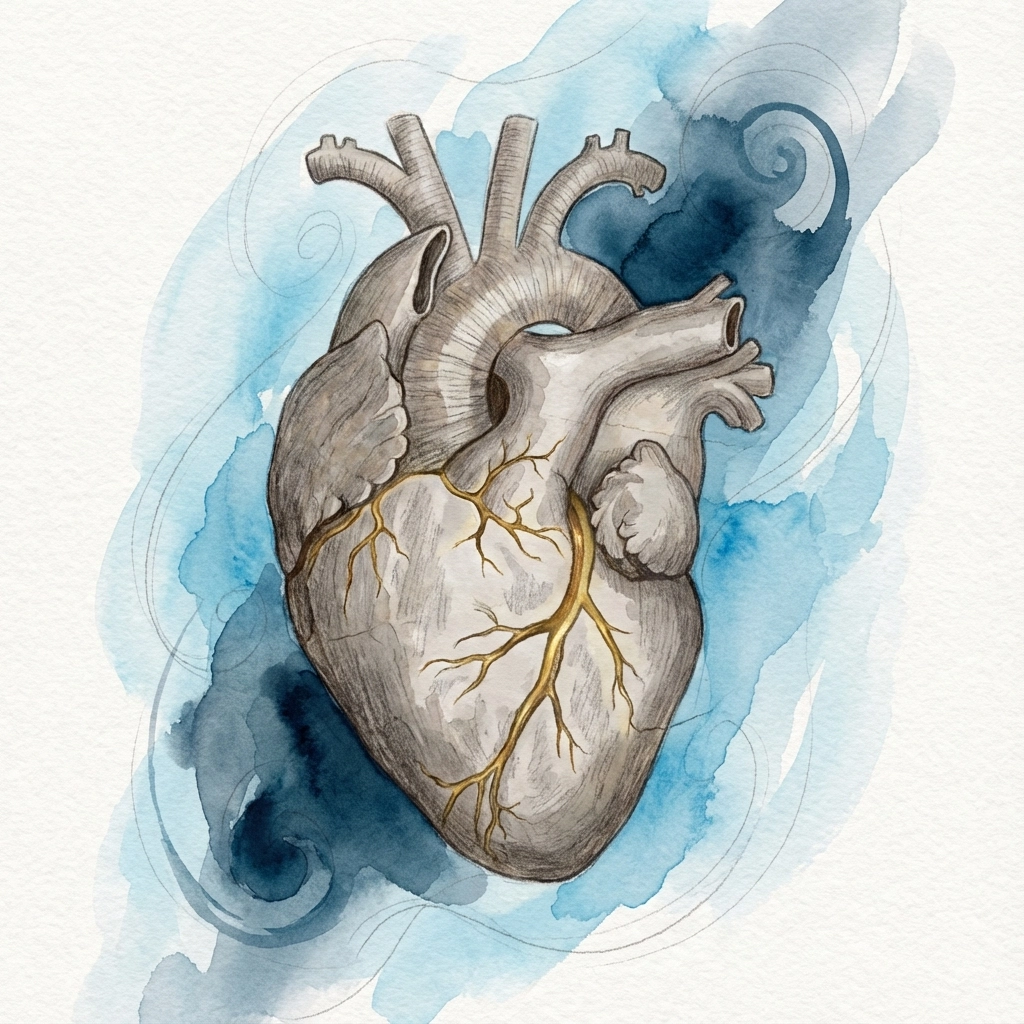
This brings us to one of the most debated aspects of the Exodus story: Pharaoh's hardened heart. The text tells us both that Pharaoh hardened his own heart and that God hardened it. How does that work?
Think about it like this: When you stare directly into bright sunlight, your natural response is to look away or shield your eyes. But if you force yourself to keep staring, you'll eventually damage your ability to see clearly. Pharaoh kept staring directly at God's power and choosing to resist it. Each time he said "no" to the obvious, his capacity to say "yes" diminished.
God didn't force Pharaoh to be stubborn – He simply gave Pharaoh over to the stubbornness Pharaoh had already chosen. It's a sobering reminder that our choices have consequences that extend beyond the moment we make them.
Group Discussion Questions:
How might our repeated choices shape our hearts over time?
When have you seen someone become more entrenched in their position despite mounting evidence they should change?
What can we learn from Pharaoh's example about the importance of staying responsive to God?
Hold that thought – because we're about to see what happens when God's patience finally reaches its limit. The next three plagues will make everything we've seen so far look like warm-up acts...
Round 7-9: Hail, Locusts, and Darkness
The seventh plague brings hail mixed with fire – a meteorological impossibility that destroys crops and kills anyone caught outside. For the first time, some Egyptians actually listen to Moses' warning and bring their servants and livestock inside. They're starting to get it.
The eighth plague unleashes locusts that devour every green thing left after the hail. Pharaoh's own officials start pressuring him: "Don't you realize that Egypt is ruined?" Even his inner circle recognizes that their leader's pride is destroying the nation.
Then comes the ninth plague: darkness so thick it can be felt. For three days, Egyptians can't see each other, while the Israelites have light in their homes. Ra, the sun god and chief deity of Egypt, has been literally overshadowed by Israel's God.
Pharaoh tries to negotiate: "Go worship, but leave your livestock behind."
Moses responds with holy boldness: "Not a hoof will be left behind."
The Final Plague: When God Fights for His People
After nine supernatural demonstrations, Pharaoh still won't budge. So God announces the final plague: the death of every firstborn in Egypt, from Pharaoh's son to the slave girl's child to the firstborn of livestock.
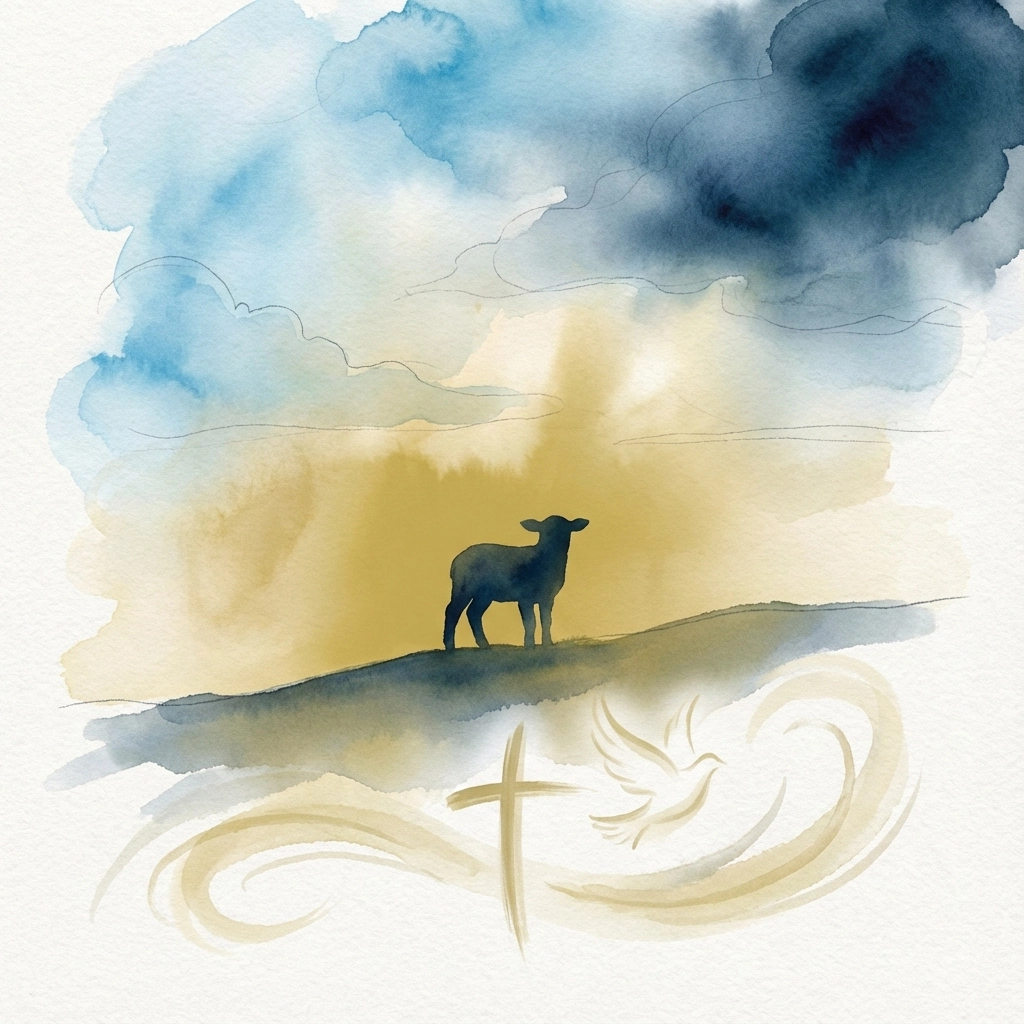
But this plague comes with instructions for Israel – detailed directions for something called the Passover. They're to take a lamb, examine it for four days, then sacrifice it and put its blood on their doorframes. When the destroying angel sees the blood, he'll pass over that house.
This isn't just about following rules – it's about faith in God's provision for salvation. The blood on the doorframe was Israel's declaration of trust in God's promise of protection.
At midnight, exactly as Moses predicted, every firstborn in Egypt dies. The cry that goes up across the land is unlike anything in human history. Pharaoh, who lost his own heir, finally breaks: "Get out! Take your flocks and herds and get out! And bless me too!"
Personal Reflection Questions:
How does the Passover lamb point forward to Jesus as our Passover Lamb?
What does it mean to you that God "passes over" our sins because of the blood of Christ?
The Great Exodus: Freedom at Last
After 430 years in Egypt, the Israelites leave – not as fleeing refugees, but as a people loaded down with Egyptian gold and silver. The very nation that enslaved them now pays them to leave. God turns their centuries of unpaid labor into a massive severance package.
But Pharaoh's story isn't over. His hardened heart will drive him to one final, fatal decision that we'll explore in Part 3.
Group Discussion Questions:
How do you see God's justice and mercy displayed throughout these plagues?
What does Pharaoh's story teach us about the consequences of resisting God?
How can we apply the lessons of the Passover to our understanding of salvation through Christ?
Looking Ahead: The Plot Thickens
Just when you think the story's wrapped up with a neat bow, Pharaoh changes his mind again. Why would a man who just buried his firstborn son decide to chase the very people whose God had so thoroughly defeated him? And what happens when an army meets the Red Sea with nowhere to run?
That's where we're headed in Part 3 of Exodus Unfiltered. Trust me – if you thought ten plagues were dramatic, wait until you see what God does with a body of water and a stubborn pharaoh who just won't learn.
The God who turned water to blood is about to split the sea. The God who brought darkness over Egypt is about to light the way to freedom. And the people who painted lamb's blood on their doorframes are about to walk through walls of water on dry ground.
Your Next Step: Before we meet again for Part 3, spend some time reading Exodus 7-13 for yourself. Ask God to show you areas where your heart might be hardening against His voice, and thank Him for being the God who always provides a way of escape for His people.
Don't miss Part 3: "Red Sea, No Problem" – where we'll discover what happens when God parts more than just traffic!
Ready to dive deeper into Bible study and spiritual growth? Explore our mentorship and coaching opportunities at Layne McDonald Ministries and discover how God wants to write your story of freedom.
Comments