
Faith and Healing: 5 Steps How to Use Scripture for Emotional Healing (Easy Guide for Believers)
- Dr. Layne McDonald
- Apr 21
- 6 min read

Updated: Jul 14
Christian Media & Content
To use Scripture for emotional healing, you must move beyond passive reading and engage in a deliberate five-step process: renewing your mind with divine truth, reframing your identity in Christ, releasing deep-seated lies, restoring your focus through gratitude, and inviting Jesus directly into your pain. This structured approach allows the Word of God to penetrate the subconscious layers of your soul where trauma and emotional wounds often reside. By treating the Bible as a living prescription rather than just a book of ancient history, you transition from surviving your emotions to mastering them through faith-integrated leadership of your own heart.
Emotional wounds are often the hardest to heal because they are invisible. Unlike a broken arm that requires a cast, a broken spirit requires a fundamental shift in how we perceive reality. As believers, we are called to be "transformed by the renewing of our minds" (Romans 12:2). This isn’t a suggestion; it is a vital survival mechanism for anyone navigating the complexities of modern life. When we experience trauma, rejection, or deep grief, our brains often create "ruts" of negative thought patterns. Scripture serves as the tool to smooth those ruts and create new paths of peace and purpose.
Step 1: Renew Your Mind With Truth
The first step in any healing journey is to address the immediate narrative running through your head. Most emotional pain is fueled by a constant stream of "what-ifs" and "if-onlys." To break this cycle, you must saturate your environment with the Word of God. This goes beyond a five-minute morning devotional. You need a constant infusion of truth to counter the noise of the world.
Start by identifying the specific emotional pain you are feeling. Are you lonely? Anxious? Ashamed? Find three specific verses that speak directly to that emotion. For example, if you are battling anxiety, anchor yourself in Philippians 4:6-7. If you feel abandoned, look to Hebrews 13:5. Write these verses down on physical cards or sticky notes. Place them on your bathroom mirror, your steering wheel, and your computer monitor. The goal is to ensure that every time your mind wanders toward pain, it is immediately confronted with a biblical promise.
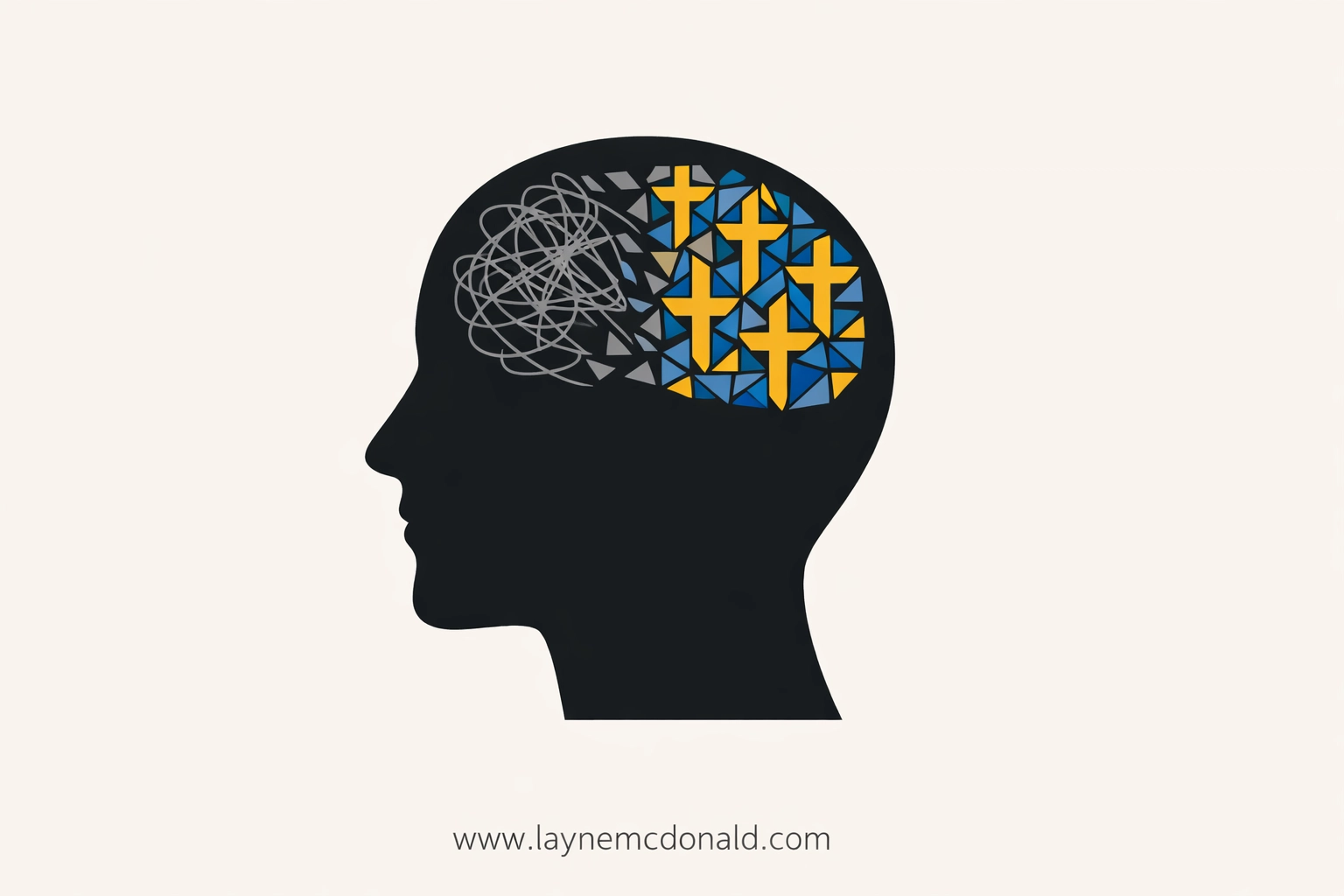
Read these verses aloud. There is scientific and spiritual power in hearing the truth spoken in your own voice. By speaking the Word, you are exercising leadership over your environment and your internal state. Do this consistently for 30 days. This repetitive immersion begins to break down the mental strongholds that keep you trapped in emotional distress.
Step 2: Reframe Your Identity
Many of us allow our wounds to become our identity. We stop being "a person who experienced a loss" and start being "a victim." Scripture offers a radical alternative: your identity is not found in what has happened to you, but in what God has done for you. To heal emotionally, you must stop looking in the mirror of your circumstances and start looking in the mirror of the Word.
Reframing your identity involves a conscious decision to agree with God’s assessment of your worth. In Ephesians 1, we are told we are blessed, chosen, adopted, and redeemed. These are not just nice sentiments; they are legal realities in the Kingdom of God. To practice this, create a list of affirmations that begin with "I am" and end with a scriptural truth. "I am a child of the Most High," "I am more than a conqueror," "I am fearfully and wonderfully made."
When you shift your identity, you change the way you process pain. A "champion for the cause" views a setback differently than a victim does. By identifying as a priceless child of God, you gain the resilience needed to face emotional triggers without being destroyed by them. If you are looking for more resources on how to build a faith-filled home and identity, check out our [Ultimate Guide to Safe Faith Homes](https://www.laynemcdonald.com/post/family-and-parenting-the-ultimate-guide-to-safe-faith-homes-everything-you-need-to-succeed-1).
Step 3: Release the Lies You've Believed
Emotional healing is often blocked by "toxic beliefs": lies that we have accepted as truth because of our experiences. Common lies include "I am unlovable," "I will always be alone," or "God is punishing me." These lies act like toxins in the soul, causing chronic emotional inflammation. Step three requires you to perform a spiritual "audit" of your beliefs.
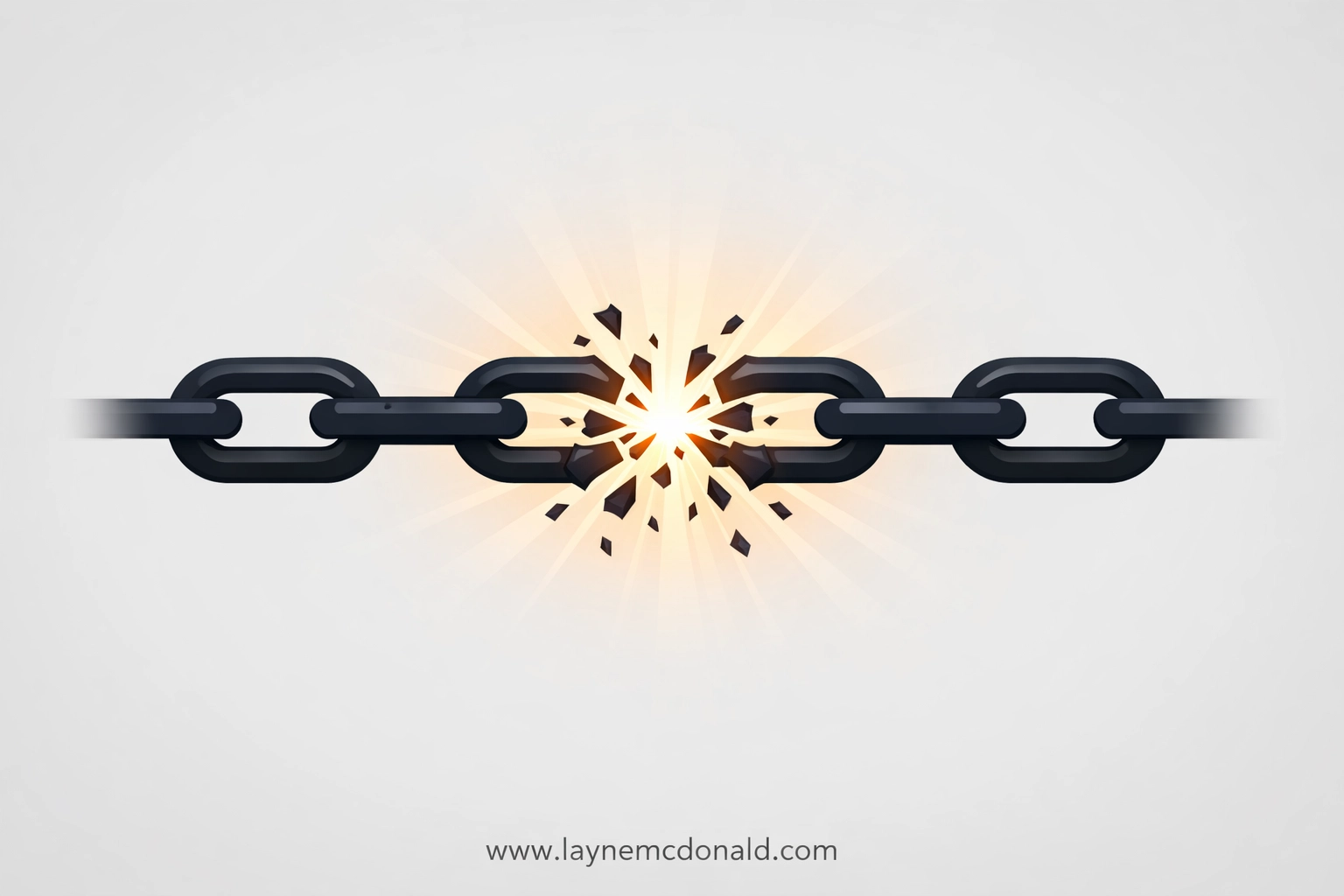
Sit quietly with a journal and ask the Holy Spirit to reveal the lies you have been believing. Once you identify a lie, write it down. Then, find the specific Scripture that refutes it. For instance, if the lie is "I am a failure," the truth is "I can do all things through Christ who strengthens me" (Philippians 4:13). Physically cross out the lie and write the truth over it. This symbolic act of releasing and replacing is essential for deep-seated healing.
Commit to reading these "replacement truths" for 22 days. Research suggests it takes approximately this long to begin rewiring cognitive habits. By the end of this period, you will find that the lie no longer has the same emotional "grip" on you. You are choosing to lead your heart into freedom rather than following your feelings into a pit.
Step 4: Restore Gratitude and Focus
What you focus on grows. If you focus on your wound, the pain will expand until it fills your entire perspective. If you focus on God’s faithfulness, your perspective shifts toward hope. Restoring gratitude is a discipline of focus that forces your brain to look for the "evidence of things not seen."
Practical application: Keep a gratitude journal specifically focused on your emotional journey. Every night, record three things you are grateful for that relate to your internal state. Perhaps you felt a moment of peace while listening to a song, or you had the strength to forgive someone who offended you. Even the smallest wins are worth recording. This practice trains your mind to scan for God's goodness rather than scanning for potential threats or past hurts.

Gratitude acts as a spiritual disinfectant. It cleanses the wound of bitterness and prepares the soul for restoration. It is a key component of faith-integrated leadership; a leader who cannot find reasons for gratitude is a leader who will eventually burn out in despair. Focus on the eternal value of your journey rather than the temporary discomfort of the process.
Step 5: Invite Jesus Into Your Pain
The final step is perhaps the most profound: moving from reading about God to experiencing His presence. Scripture is the gateway, but Jesus is the Healer. Invite Him into the specific memories and emotions that hurt the most. This is not a "rational" exercise; it is an emotional and spiritual surrender.
Find a quiet place. Read a passage where Jesus shows compassion, such as the healing of the woman with the issue of blood or the restoration of Peter. Close your eyes and imagine Jesus sitting with you in your current pain. Tell Him exactly how you feel: He can handle your anger, your sorrow, and your confusion. Then, listen. Often, in that space of quiet surrender, the Holy Spirit will bring a specific word or a sense of peace that surpasses all understanding.
Healing is rarely a single event; it is usually a series of moments where we choose to let God in. By inviting Him into the broken parts of your story, you allow Him to turn those scars into symbols of His grace. You are no longer alone in your healing; you are co-laboring with the Creator of the universe.

Takeaway / Next Step
Your emotional healing is a journey of self-growth and learning to love like Jesus. The goal is not just to feel better, but to become a whole person who can lead others with empathy and strength. Today, choose one step from this guide. Find one verse that speaks to your heart and write it down. Commit to the process of course correction, moving away from secular, algorithm-driven despair and toward the eternal value of God’s Word. Treat yourself as the priceless child of God you are, and remember that your healing is a testimony in the making.
For more educational content on faith and leadership, explore our [dynamic courses](https://www.laynemcdonald.com/dynamic-courses-sitemap.xml) or browse our [blog archives](https://www.laynemcdonald.com/blog). We are here to help you navigate your journey with wisdom and grace.
By engaging with our content, you are becoming a champion for the cause. Remember that visiting helps raise funds for families who lost children at no cost. Additionally, your support through ad revenue helps fight human trafficking around the world.
reach out to me on the site.
Need prayers? Text us day or night at 1-901-213-7341.
Comments