
[Faith and Healing]: 7 Things I Wish I Knew About Spiritual Healing Before I Hit Rock Bottom
- Dr. Layne McDonald
- Feb 18
- 4 min read

Rock bottom has a way of clarifying what matters. When everything falls apart: health, relationships, hope: you start asking questions you never thought you'd ask. For me, that breaking point became the doorway to spiritual healing I didn't know I needed.
Looking back, I realize how much easier the journey would have been if I'd understood a few key truths earlier. These aren't the Sunday-school answers. They're the hard-won lessons that changed everything.
1. The Quality of Your Faith Relationship Matters More Than the Intensity
I used to think spiritual healing was about praying harder, believing stronger, reading more Scripture. I wore myself out trying to "faith" my way through the pain.
What actually changed things? Realizing that how I related to God mattered far more than how much I did.
Research backs this up: people who experience their faith as loving and supportive report significantly fewer mental health symptoms and maintain more consistent spiritual practices. Meanwhile, those who view God as judgmental or punishing actually report more mental health difficulties.
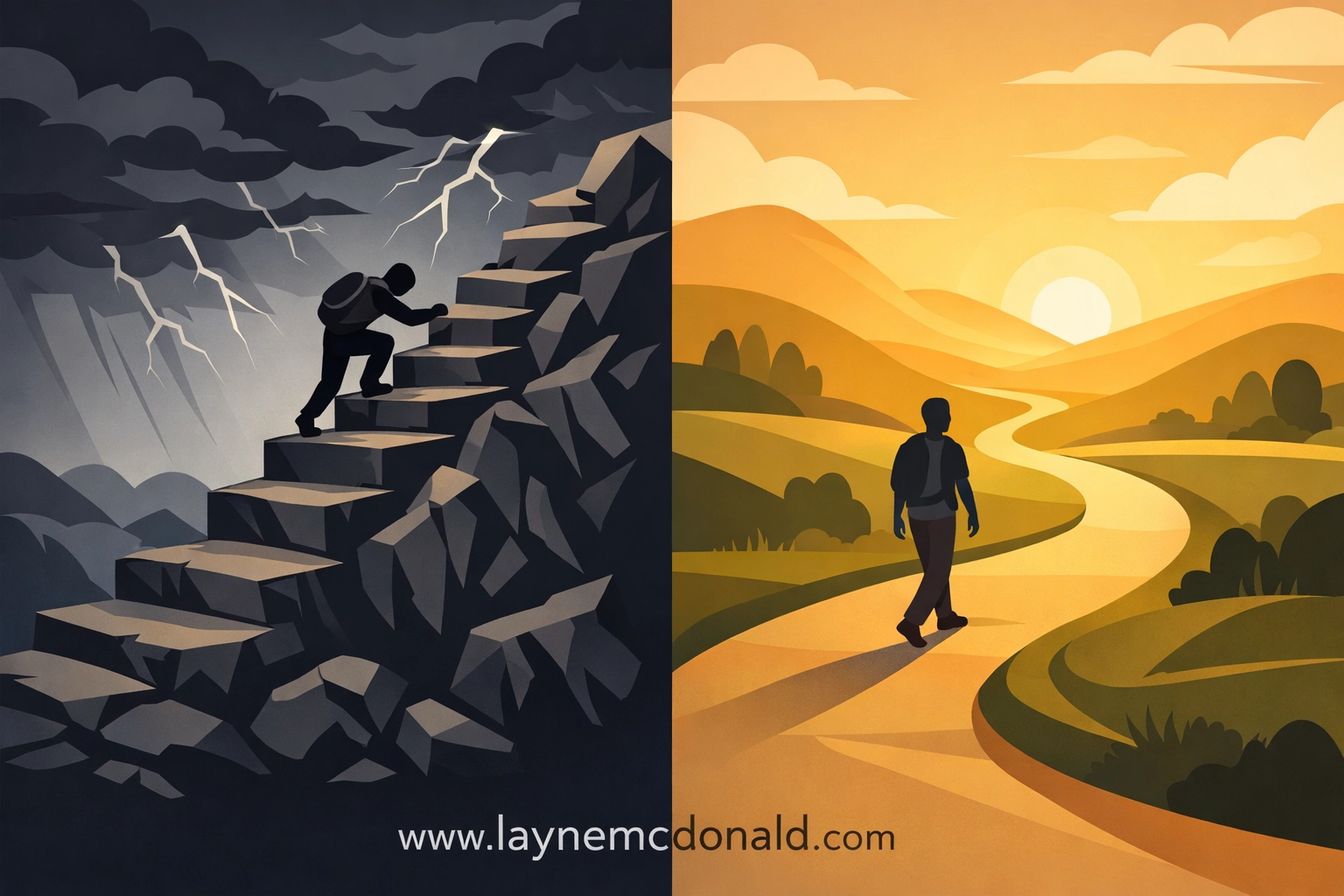
The shift happened when I stopped performing for approval and started resting in relationship. Healing doesn't come from impressing God: it flows from knowing you're already loved.
2. Prayer Works Like Therapy (But You Have to Engage It Fully)
I used to treat prayer like a divine vending machine: insert request, expect results, move on.
The breakthrough came when I learned prayer functions more like cognitive behavioral therapy. It's not magic: it's a practice that helps you attend to your inner experience, release distracting thoughts, and redirect focus toward what's working instead of what's broken.
Prayer reframes how you process suffering. Instead of spiraling into worst-case scenarios, you start noticing provision, possibility, and presence. This isn't denial: it's intentional attention management.
When I hit rock bottom, I couldn't change my circumstances immediately. But I could change where I put my focus. Prayer became the tool that helped me do that daily, moment by moment.
3. Community Isn't Optional: It's a Core Healing Mechanism
I tried the lone-wolf approach to healing. It doesn't work.
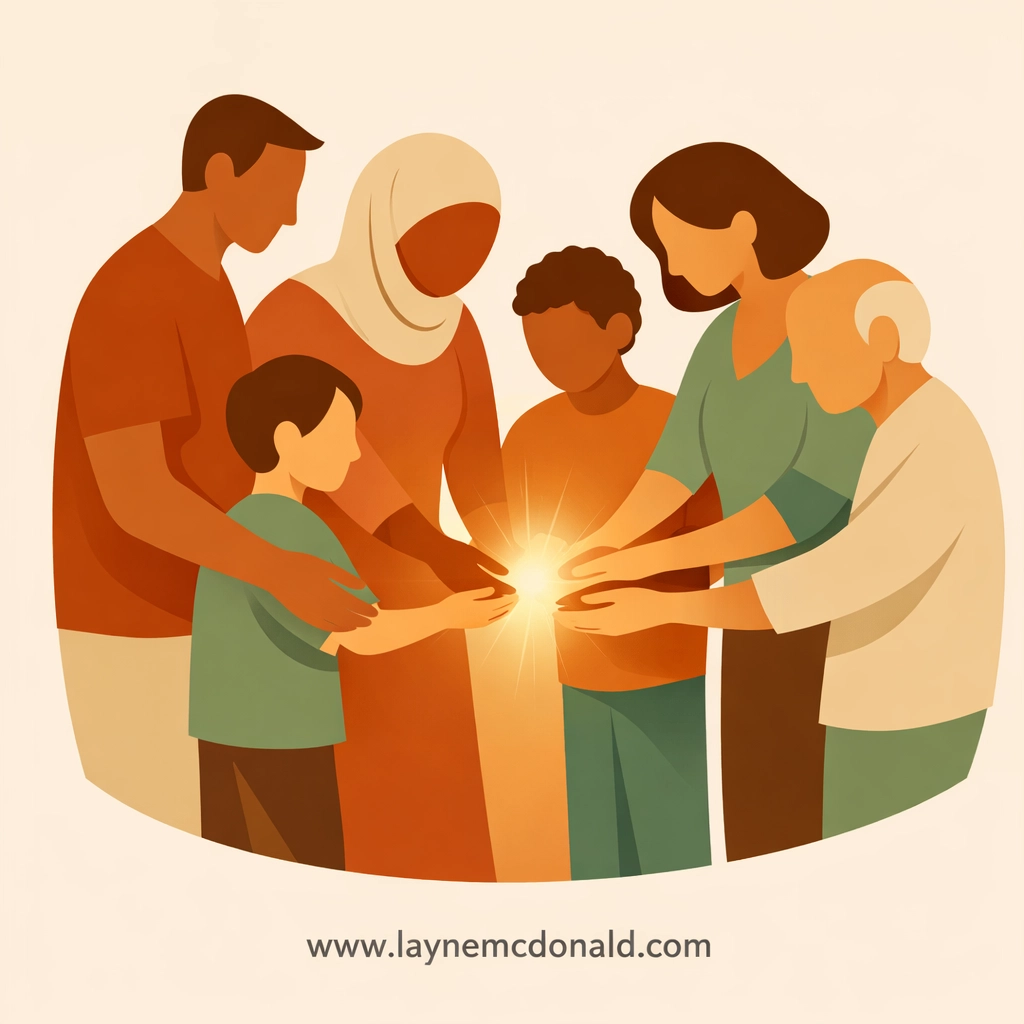
Here's what I missed: community isn't just nice for encouragement. It's a biological and spiritual healing mechanism. Regular participation in faith communities provides tangible support during difficult times and measurably reduces loneliness. Studies show it even affects immune function.
The neuroscience is fascinating: when you talk to God in the context of community, your brain activates the same pathways as human connection. Faith isn't abstract: it's relational, and relationships require people.
My healing accelerated the moment I stopped isolating and started showing up. Not to perform. Not to pretend everything was fine. Just to be present with people who believed healing was possible even when I couldn't.
4. Purpose and Meaning Are Practical Medicine
When everything collapsed, I lost my sense of direction. What was I even doing? Why did any of it matter?
Faith generates peace, purpose, and forgiveness that help people tolerate stress: and this isn't just abstract comfort. Individuals engaging in spiritual practices show measurably lower blood pressure, reduced heart disease risk, and better sleep quality.
Purpose became my anchor. Even when I didn't have answers, I had a direction: love God, love people, keep showing up. That simple framework carried me through months when nothing else made sense.
Meaning doesn't eliminate suffering, but it makes suffering bearable. When you know there's a reason to keep going, you keep going.
5. Your Practice Reinforces Your Belief (Not Just the Reverse)
I thought I needed perfect faith before I could experience spiritual healing. Turns out, it works the other way around.
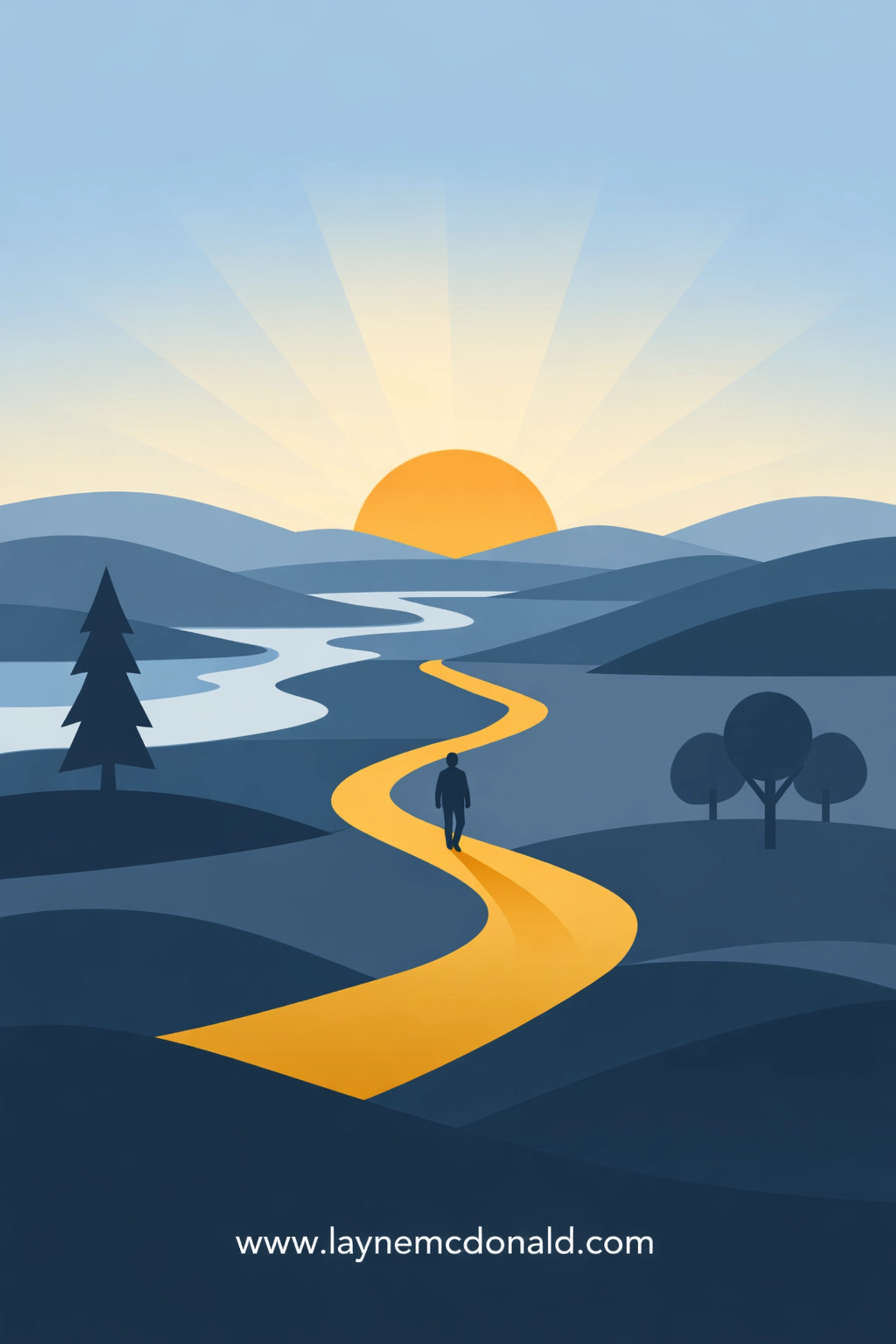
Engaging fully in spiritual practices: worship, prayer, service, Scripture reading: actually deepens faith itself. Positive experiences from these practices create cycles that strengthen commitment. You don't need to have it all figured out before you start; you figure it out by starting.
At rock bottom, my faith felt weak. So I started with the smallest practices: one verse. One prayer. One worship song. Those tiny acts didn't feel powerful in the moment, but they compounded over time. Faith grew as I practiced it, not before.
6. Spiritual Healing Complements Medicine: It Doesn't Replace It
This one's important: spiritual healing works alongside conventional care, not instead of it.
I've seen people delay treatment, refuse therapy, or skip medications because they thought faith should be enough. That's not wisdom: it's spiritual pride disguised as trust.
Even faith traditions acknowledge that prayer doesn't always resolve every illness. God works through doctors, counselors, and medication. Honoring the body He gave you means using every tool available: spiritual, medical, and psychological.
My healing journey included therapy, medication adjustments, spiritual direction, and community support. All of it mattered. None of it canceled out the others.
7. Mindfulness Within Spirituality Provides Concrete Benefits
I used to think mindfulness was just trendy self-help jargon. Then I discovered it's been part of Christian contemplative practice for centuries.
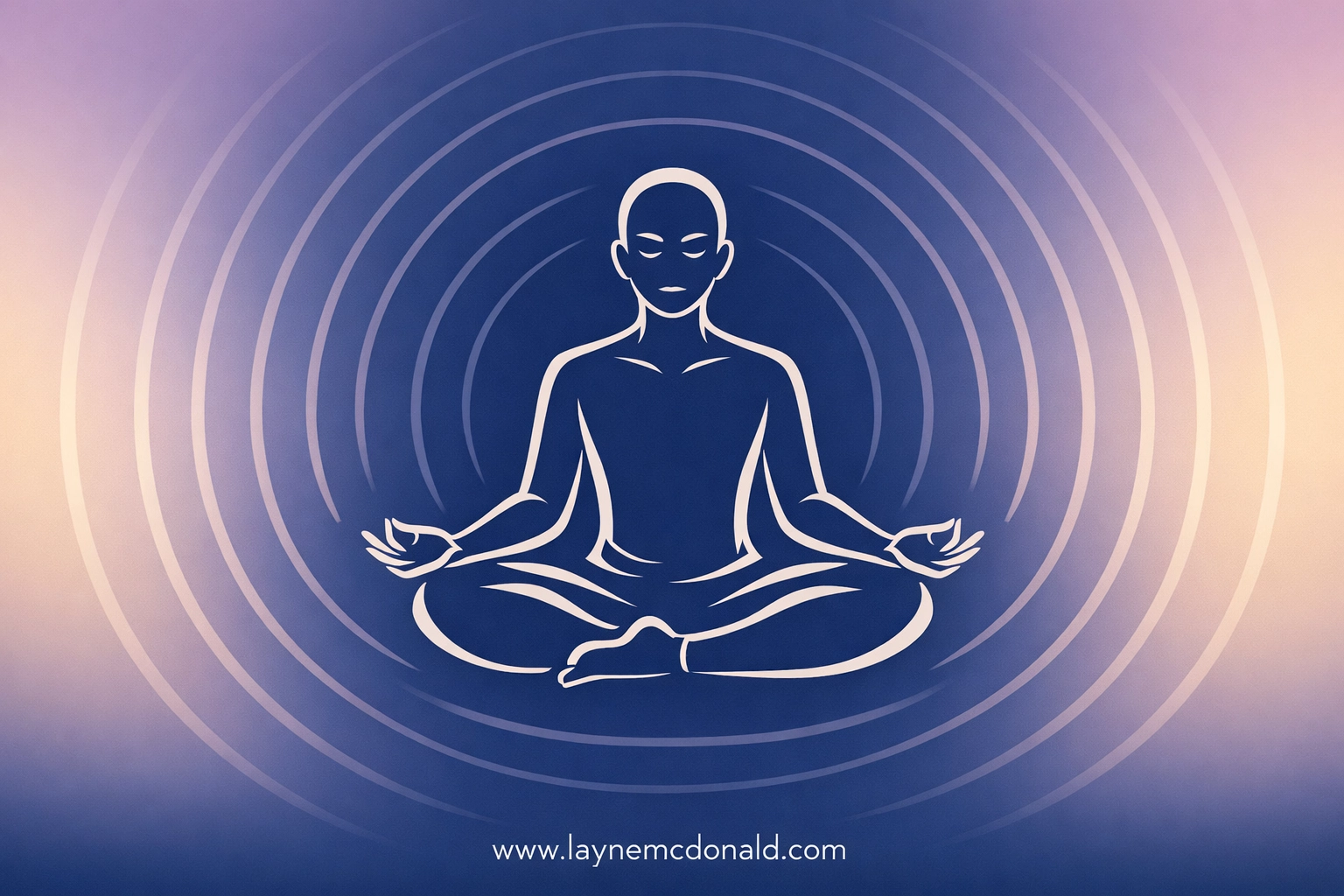
Spiritual mindfulness: being fully present to God in the moment: is linked to improved sleep, better pain management, and stronger immune response. It's not about emptying your mind; it's about filling it with awareness of God's presence right now.
At rock bottom, I couldn't fix the past or control the future. But I could be present today. That one shift: from obsessing over what was broken to noticing what was here: became the foundation of my healing.
The Takeaway: Healing Is a Journey, Not a Destination
If you're at rock bottom right now, here's what I wish someone had told me: spiritual healing isn't about arriving at some perfect state where nothing hurts anymore. It's about learning to walk with God through the hurt, finding strength you didn't know you had, and discovering that the valley is where you meet Him most intimately.
You don't need to have all the answers. You don't need perfect faith. You just need to take the next step: whatever that is for you today.
Maybe it's reaching out to someone. Maybe it's showing up at church even though you don't feel like it. Maybe it's finally admitting you need help. Whatever it is, do that one thing.
Healing is waiting on the other side of your willingness to begin.
Ready to take the next step in your faith journey? Visit www.laynemcdonald.com for more resources, or connect with a community committed to growth and grace at Boundless Online Church.
Need prayers? Text us day or night at 1-901-213-7341.
Comments