
[Faith and Healing]: Finding Peace in the Storms of Life
- Dr. Layne McDonald
- Feb 7
- 5 min read

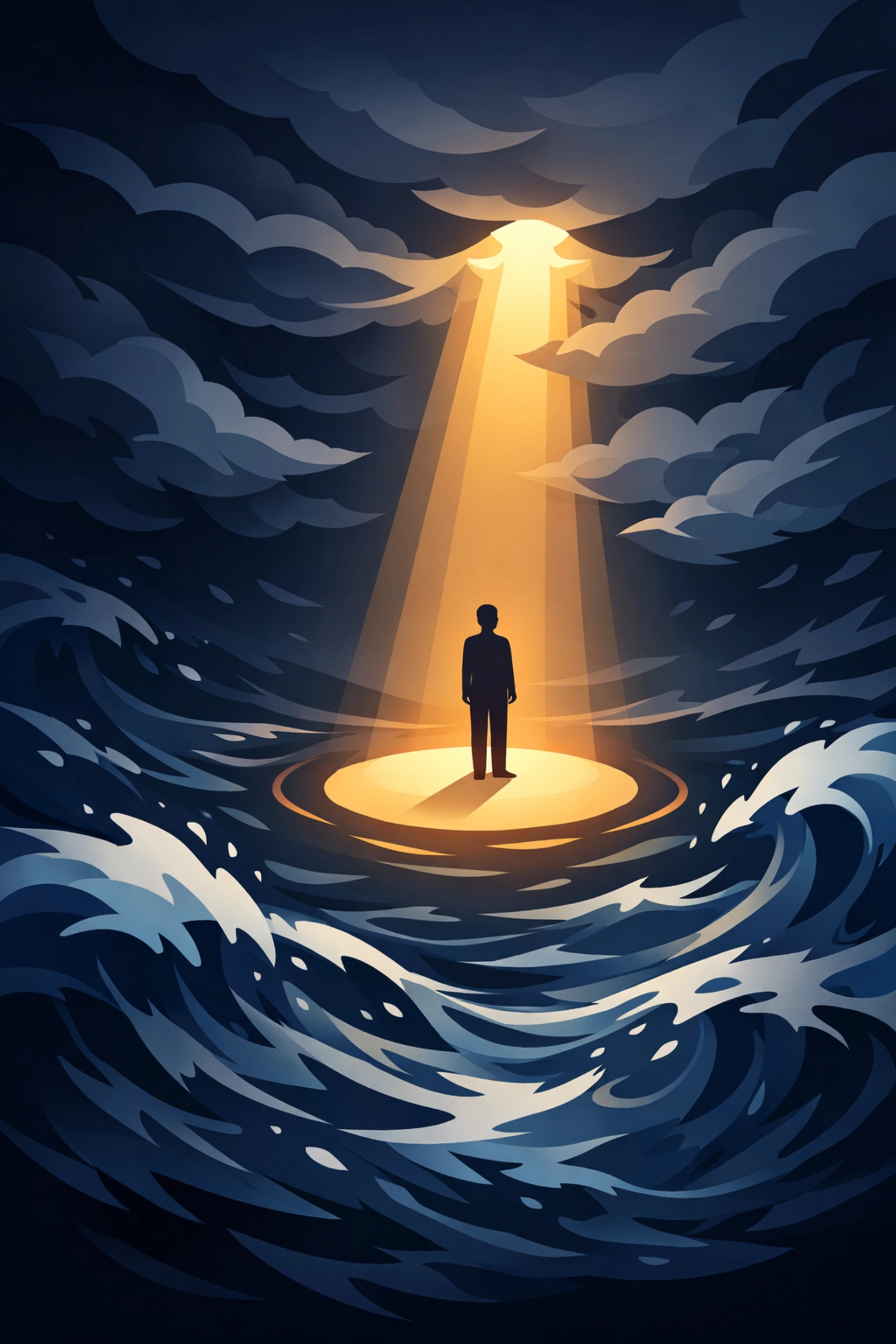
Life doesn't come with calm weather guarantees. Job loss. Health scares. Relationship breakdowns. Financial pressure. Some seasons feel like you're standing in the middle of a hurricane with nothing but a paper umbrella. The question isn't whether storms will come: they will. The real question is: how do we find peace when everything around us is falling apart?
Here's the good news: peace during hardship isn't about pretending everything's fine or white-knuckling your way through. It's about anchoring yourself to something: Someone: bigger than the chaos. Let's talk about practical ways to cultivate real peace when life gets messy.
Understanding What "Peace" Really Means
First, let's clear something up. Biblical peace (shalom) isn't the absence of problems. It's wholeness and wellness even in the middle of them. Jesus told His disciples, "In this world you will have trouble. But take heart! I have overcome the world" (John 16:33). He didn't promise smooth sailing: He promised His presence through the storms.
Peace isn't a feeling you manufacture. It's a gift you receive when you shift your focus from the size of your storm to the size of your God. That shift doesn't happen accidentally. It requires intentional practices and perspectives.
Spiritual Practices as Your Daily Anchors
Think of prayer and meditation as your 24/7 emergency hotline. Unlike therapy appointments that happen once a week, you can access God anytime: 2 a.m. panic attack, lunch break anxiety spike, or Sunday afternoon worry spiral. Prayer isn't fancy words; it's honest conversation with the One who already knows what you're facing.
Biblical meditation works differently than what you might see in wellness apps. It's not emptying your mind: it's filling it with truth. Take a verse like Philippians 4:6-7: "Do not be anxious about anything, but in every situation, by prayer and petition, with thanksgiving, present your requests to God. And the peace of God, which transcends all understanding, will guard your hearts and your minds in Christ Jesus."
Read it slowly. Write it down. Say it out loud. Let those words replace the toxic thoughts on repeat in your head. Neuroscience backs this up: focused attention on scripture actually creates new neural pathways that support long-term emotional stability. You're literally rewiring your brain for peace.
Create a simple daily practice: five minutes of prayer in the morning, scripture reading with your coffee, reflective journaling before bed. Small, consistent rhythms build the foundation for peace that lasts.
Reframing Your Struggles Through a Bigger Story
Here's where faith becomes a game-changer: it gives you a redemptive lens for suffering. Instead of asking "Why is this happening to me?" you start asking "What is God doing through this?"
This isn't toxic positivity. It's post-traumatic growth: emerging from difficulty with deeper faith, stronger character, and clearer purpose. Romans 8:28 isn't a magic formula; it's a promise that God is actively working to weave even the broken threads into something beautiful.
Spiritual direction (whether through a pastor, mentor, or counselor) helps you identify where God is moving in your circumstances. You begin to see patterns: how He provided before, how He showed up when you needed Him most, how He's using this season to refine something in you.

The storm doesn't have to destroy you. It can develop you.
The Power of Community: You're Not Meant to Go It Alone
Galatians 6:2 says, "Bear one another's burdens, and so fulfill the law of Christ." Translation: healing happens in relationship, not isolation. Trauma and hardship naturally push us inward, making us want to hide. But God designed us for connection.
Find your people: a small group, trusted friends, a support group, or an online faith community. Share what you're walking through. Let people pray for you, check in on you, remind you of truth when your emotions lie to you.
If you're looking for a community that meets you where you are, check out Boundless Online Church. It's a space for Christian teaching, worship, and real connection: accessible privately or through signing up. Sometimes you need people who get it, and faith communities provide that understanding and support.
Integration: Faith + Professional Help = Faster Healing
Let's address the elephant in the room: seeking professional help doesn't mean you lack faith. God gave us doctors, therapists, and counselors as tools for healing. If you broke your leg, you'd go to the ER. Why should mental and emotional health be any different?
Faith-based counseling bridges the gap, offering therapeutic techniques grounded in biblical principles. When your values align with your treatment, healing accelerates. You're more likely to engage authentically, stick with the process, and experience sustainable change.
Therapy provides clinical frameworks for processing trauma, managing anxiety, and rebuilding emotional health. Faith provides meaning, hope, and redemption. Together? They're powerful.
Here's the integrated approach:
Acknowledge struggle isn't spiritual failure. David, Elijah, Job: they all wrestled with despair.
Turn to scripture and prayer for grounding. Let God's truth anchor you.
Share your burden with trusted friends. Don't carry it alone.
Pursue professional help when needed. It's wisdom, not weakness.
Practice holistic self-care. Physical health affects emotional and spiritual health.

Practical Steps You Can Start Today
Ready to move from theory to action? Here's your roadmap:
1. Start a five-minute morning prayer routine. Thank God for one thing. Bring Him one worry. Ask for His peace.
2. Choose one verse to meditate on this week. Write it on a notecard. Read it daily. Let it sink in.
3. Reach out to one trusted person. Tell them what you're dealing with. Ask them to pray.
4. Evaluate if you need professional support. If you've been struggling for months, it's time to reach out.
5. Practice gratitude journaling. Write down three things you're grateful for each night. Gratitude shifts perspective.
6. Rest intentionally. Sabbath isn't optional: it's commanded. Take time to stop striving and trust God's provision.
Small steps compound. You don't have to overhaul your life overnight. Just start where you are.
Takeaway / Next Step
Peace in the storm isn't about eliminating the chaos: it's about anchoring yourself to Christ in the middle of it. Through prayer, scripture, community, and sometimes professional help, you can cultivate resilience that doesn't just survive hardship but grows through it.
Your next step? Pick one practice from this post and commit to it for the next seven days. Just one. Build that rhythm, then add another. Growth happens gradually, one faithful step at a time.
Remember: struggling doesn't mean you're failing. It means you're human. And God meets humans right where they are, offering peace that doesn't make sense given the circumstances: but it's real, available, and yours for the asking.
Connect and Keep Growing
Looking for more practical faith content, creative resources, and encouragement? Head over to laynemcdonald.com for blog posts, music, coaching, and tools to help you navigate life with faith and purpose. Browsing the site also helps raise funds through Google AdSense for families who have lost children: at no cost to you.
And if you're looking for a faith community that offers teaching, worship, and connection, check out Boundless Online Church. You can explore privately or sign up to engage more deeply.
The storms will come. But you don't have to face them alone. Anchor yourself in faith, lean into community, and trust that the God who calms the seas is with you in every wave.
Comments