
[Faith and Healing]: How to Break Free From Spiritual Wounds in 3 Steps (A Practical Framework for Deep Healing)
- Dr. Layne McDonald
- Feb 15
- 5 min read

Spiritual wounds cut deeper than physical injuries. They linger in our hearts, shaping how we see God, ourselves, and others. Maybe someone in the church hurt you. Maybe you're carrying guilt from past mistakes. Maybe trauma has left you feeling distant from the Lord you once felt close to.
The good news? Healing is possible. Not through denial or quick fixes, but through a deliberate, Spirit-led process that brings freedom. This three-step framework will help you address spiritual wounds at their root and move toward genuine restoration.
Step 1: Cleanse the Wound
Start With Honest Prayer and Confession
Just like a physical wound needs to be cleaned before it can heal properly, spiritual wounds require cleansing through honest acknowledgment before God. This first step is about bringing everything into the light, no matter how painful or embarrassing it feels.
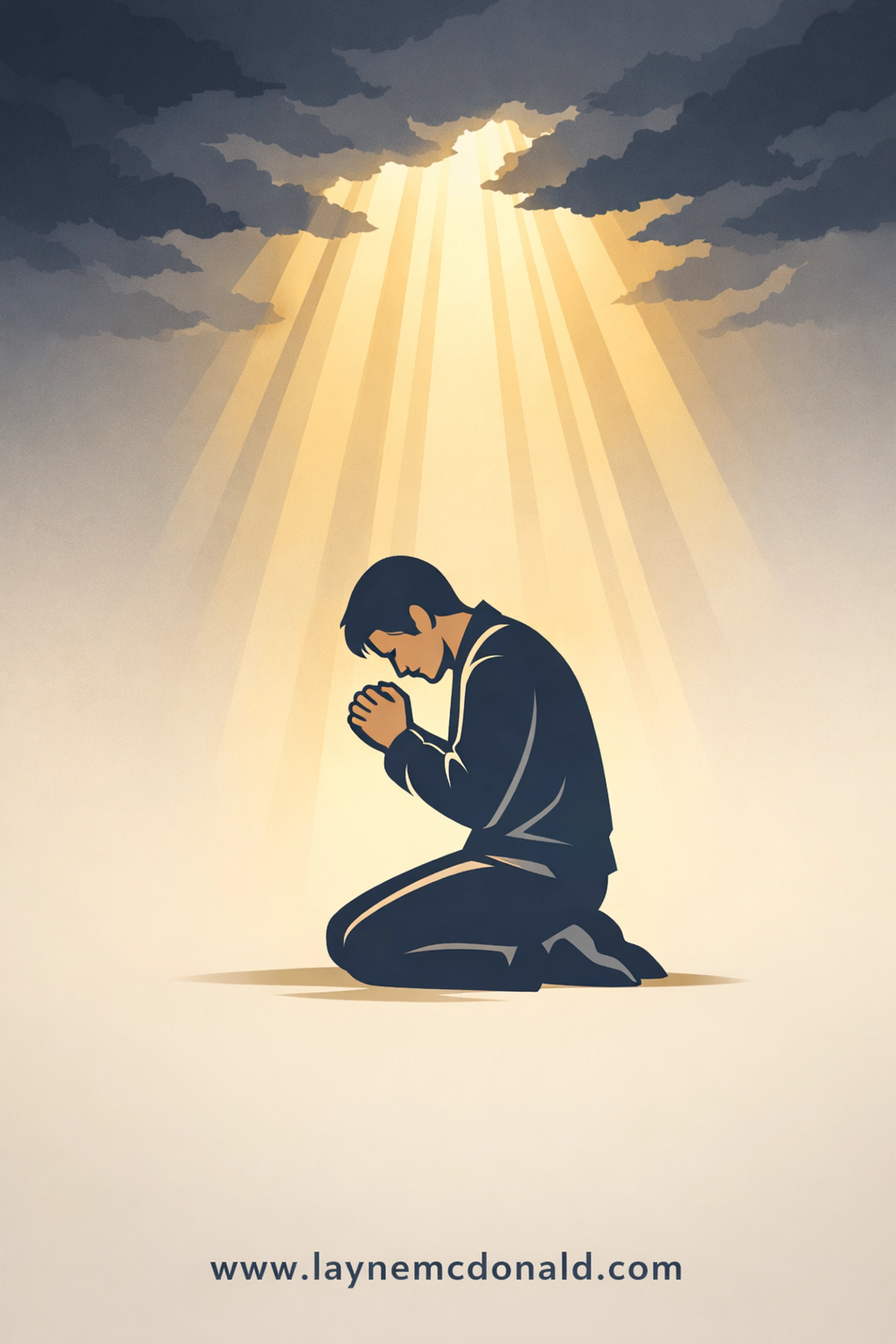
Begin by sitting before the Lord in prayer and naming your pain. What happened? Who was involved? How did it affect your relationship with God? Be specific. Vague prayers produce vague healing. The more honest you are about the injury, the more thoroughly God can address it.
Confession plays a crucial role here, but it's not just about confessing your own sin. Sometimes we need to confess the impact of what others did to us, not to blame, but to acknowledge the truth of how we've been hurt. Bring it all to Jesus. He already knows, but the act of speaking it out loud breaks its power over you.
Address Unforgiveness Head-On
Here's the hard truth: unforgiveness sits at the root of most spiritual wounds. Whether you're holding a grudge against someone who hurt you, harboring resentment toward God for allowing suffering, or punishing yourself for past failures, unforgiveness keeps the wound infected.
Ask God to help you forgive, not because the person deserves it, but because you deserve freedom. Forgiveness doesn't mean what happened was okay. It means you're releasing the debt and trusting God to handle justice. This often takes time and repeated acts of surrendering the offense back to God.
Don't forget self-forgiveness. Many believers struggle here, believing they need to earn God's mercy through ongoing guilt. That's not how grace works. If God has forgiven you through Christ, who are you to withhold forgiveness from yourself?
Identify and Name the Root Causes
Spiritual wounds don't appear out of nowhere. They have specific origins, moments, relationships, betrayals, losses. Take time to identify what actually caused the damage.
Was it a leader who abused authority? A parent who used Scripture to shame you? A season of unanswered prayers that made you doubt God's goodness? A personal sin that left you feeling permanently disqualified? Write it down. Journal it out. Bring these specific wounded areas to the Lord in confession and ask Him to address each one.
This isn't about dwelling in victimhood. It's about accurately diagnosing the problem so the right healing can begin.
Step 2: Protect the Wound
Immerse Yourself in God's Word
Once you've cleansed the wound through confession and forgiveness, it's time to protect it from further infection. The primary way you do this? Saturate yourself in Scripture.
But here's the key: don't just read randomly. Memorize verses that directly speak to your specific wounds. If you're healing from rejection, meditate on passages about God's acceptance and love. If you're recovering from spiritual abuse, study texts about God's true character and healthy spiritual authority.

Write these verses on index cards. Set them as phone reminders. Speak them out loud during your morning routine. The goal is to replace the lies you've believed with the truth of God's Word until His truth becomes louder than the wound.
Pray God's Word Over Your Life
Don't stop at reading, turn Scripture into active prayer. This ancient practice transforms you from a passive consumer of biblical content into an active participant in your own healing.
Take a verse like Psalm 147:3: "He heals the brokenhearted and binds up their wounds." Now pray it: "Father, You promise to heal the brokenhearted. I bring my broken heart to You right now. Bind up this wound from [specific situation]. I'm holding You to Your promise."
This isn't manipulation; it's faith in action. You're reminding yourself of who God is and what He's committed to doing. You're aligning your prayers with His revealed will.
Establish Healthy Boundaries and Practices
Protecting a healing wound means avoiding what caused the injury in the first place. If a toxic relationship wounded you spiritually, you may need space from that person. If church hurt left you damaged, you might need a season of small group healing before rejoining large gatherings. If overcommitment led to spiritual burnout, you need to learn to say no.
Boundaries aren't unspiritual: they're wisdom. Jesus Himself withdrew from crowds to rest and pray. Follow His example.
Additionally, incorporate complementary healing practices. Many find that journaling, worship music, creation care (spending time in nature), and even mindful physical practices like walking or stretching help release stored tension and create space for God's healing presence.
Step 3: Monitor the Wound
Stay Vigilant as You Grow
Spiritual healing, like physical healing, takes time. A wound that heals too quickly on the surface often festers underneath. Expect the healing process to be gradual, and don't be discouraged if you have setbacks.
Monitor your progress by checking in regularly. Are old thought patterns resurfacing? Are you slipping back into unforgiveness? Are you avoiding God again? Catch these signs early and return to confession, Scripture, and prayer.
This ongoing vigilance isn't paranoia: it's stewardship of your spiritual health. You're learning new habits of thought, protecting yourself from harmful influences, and actively growing in Christlikeness.

Recognize Wounds as Pathways to Growth
Here's something beautiful that happens when you allow God to heal spiritual wounds properly: those very wounds become sources of compassion, wisdom, and spiritual maturity. The pain you've walked through equips you to help others walk through theirs.
Your testimony of healing gives hope to people still trapped in spiritual bondage. Your hard-won wisdom about forgiveness helps someone else break free. Your experience of God's faithfulness in dark seasons encourages those currently in darkness.
The enemy meant your wound to destroy you. God intends to use it to refine you and reach others through you.
Know When to Seek Additional Support
Sometimes, despite your best efforts, healing stalls. That's when it's time to seek help from others. This isn't failure: it's wisdom.
Consider connecting with a pastor, spiritual director, or Christian counselor who specializes in trauma-informed care. Many wounds carry both spiritual and psychological dimensions that benefit from professional guidance. A trained guide can help you see blind spots, process complex emotions, and break through barriers you can't overcome alone.
The body of Christ exists for mutual support. Let others carry you when you can't carry yourself.
Your Next Step: Choose One Action Today
Spiritual healing doesn't happen by reading about it: it happens by doing the work. Before you close this post, choose one concrete action you'll take in the next 24 hours.
Will you write a prayer of confession about a specific wound? Will you memorize one Scripture verse that speaks to your pain? Will you reach out to a trusted friend or counselor for support? Will you finally forgive someone (or yourself)?
Pick one. Do it today. Then pick another tomorrow. Step by step, wound by wound, you'll discover that God is faithful to heal what you're willing to bring to Him.
You don't have to stay trapped in spiritual bondage. Freedom is available. Deep healing is possible. And God is ready to meet you exactly where you are.
reach out to me on the site: https://www.laynemcdonald.com Also, simply browsing the site helps support families in need through ad revenue at no cost to you. https://www.boundlessonlinechurch.org Need prayers? Text us day or night at 1-901-213-7341.
Comments