Faith and Healing: When Forgiveness Feels Impossible: A Step-by-Step Christian Path Forward
- Dr. Layne McDonald
- Feb 8
- 6 min read

I'll be honest with you: there are wounds that feel too deep to forgive. Maybe someone betrayed you in a way that shattered your trust. Maybe the hurt was so profound that even years later, just thinking about it makes your chest tighten. I've been there, and I know the weight of carrying unforgiveness.
But here's what I've learned: the very fact that you're reading this, that you're even thinking about forgiveness, is spiritually significant. You don't need to have it all figured out or feel ready. The willingness to learn how to forgive is itself a sacred beginning.
Let me walk you through the path I've discovered: not because it's easy, but because it's possible.
Step 1: Stop Pretending It Doesn't Hurt
The first step isn't forgiveness at all. It's honesty.
For the longest time, I thought being a "good Christian" meant smiling through pain and saying "it's fine" when it absolutely wasn't fine. But that's not healing: that's burying live grenades in your heart. Eventually, they go off.
I had to learn to acknowledge the hurt I actually felt. Not the sanitized version I thought God wanted to hear, but the raw, messy truth. I was angry. I was betrayed. It hurt.
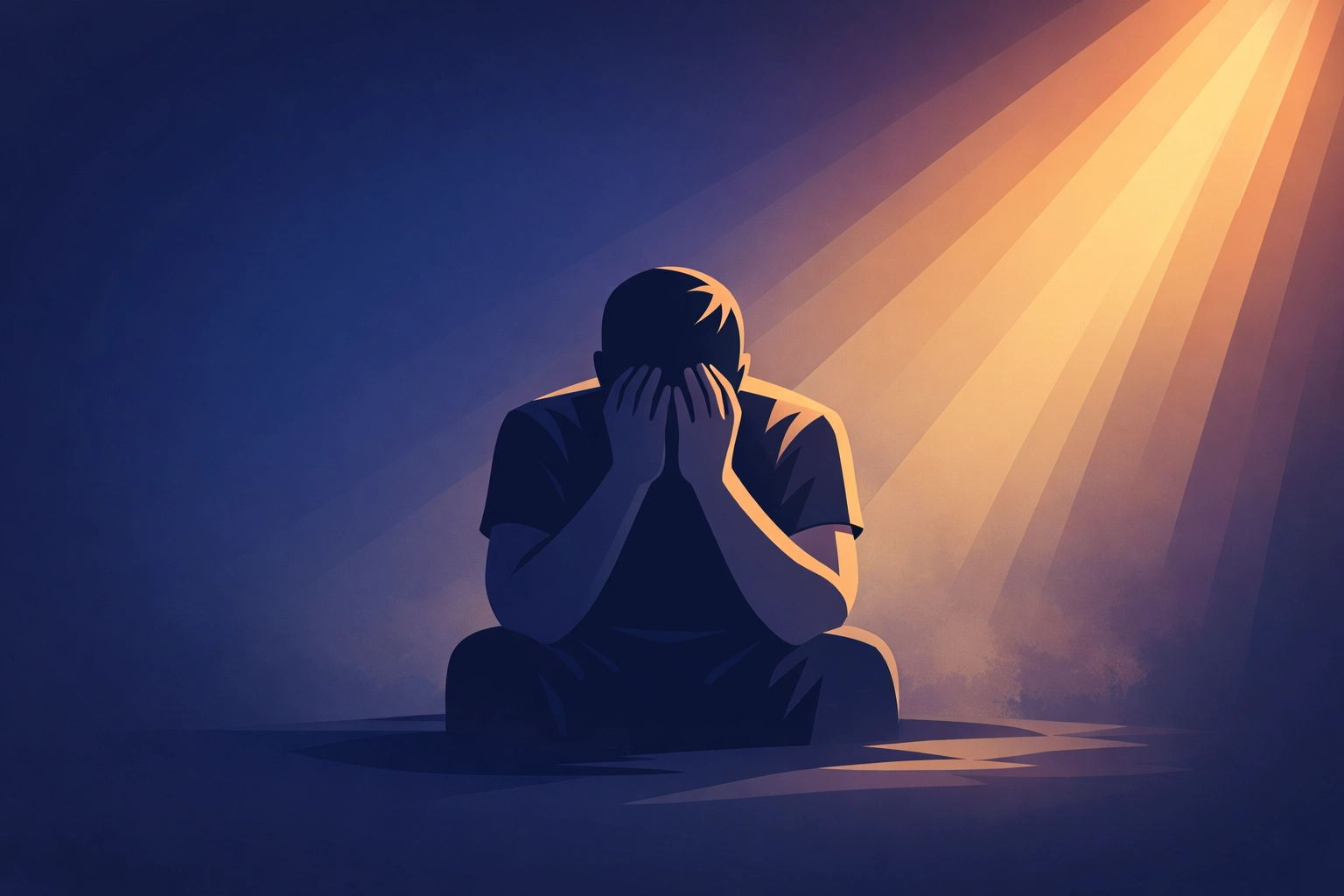
Here's why this matters: the Holy Spirit can't heal what you won't admit is broken. When you stuff down painful memories, they don't disappear: they just go underground and continue affecting your life in ways you don't even recognize. Depression, anxiety, relationship patterns, trust issues: all of these can be rooted in unacknowledged pain.
So give yourself permission to grieve. Forgiveness sometimes requires grieving first. You might need to mourn what was lost, what should have been, or who you were before the hurt happened. That's not weakness: that's the beginning of healing.
Step 2: Confess Your Own Unforgiveness
This one stung when I first heard it, but it's crucial: unforgiveness itself is sin.
I know that sounds harsh, especially when you're the one who was wronged. But hear me out. When I hold onto bitterness and resentment, I'm not just punishing the person who hurt me: I'm blocking God's grace and healing in my own life. It's like drinking poison and expecting someone else to get sick.
I had to get real with God and say, "Father, forgive me for holding onto this. I've been nursing this wound, replaying it, using it as a shield. I'm sorry." This isn't about shame. It's about opening the pathway for God's healing to flow freely.
Think of it like clearing debris from a stream. The water (God's grace) is always flowing, but unforgiveness creates a dam that blocks it from reaching you.
Step 3: Make the Decision (Even When You Don't Feel It)
Here's the truth that changed everything for me: forgiveness is a choice, not a feeling.
I used to wait until I felt forgiving. Guess what? That day never came. I could have waited forever for my emotions to align, for some magical moment when the hurt just dissolved. But that's not how it works.
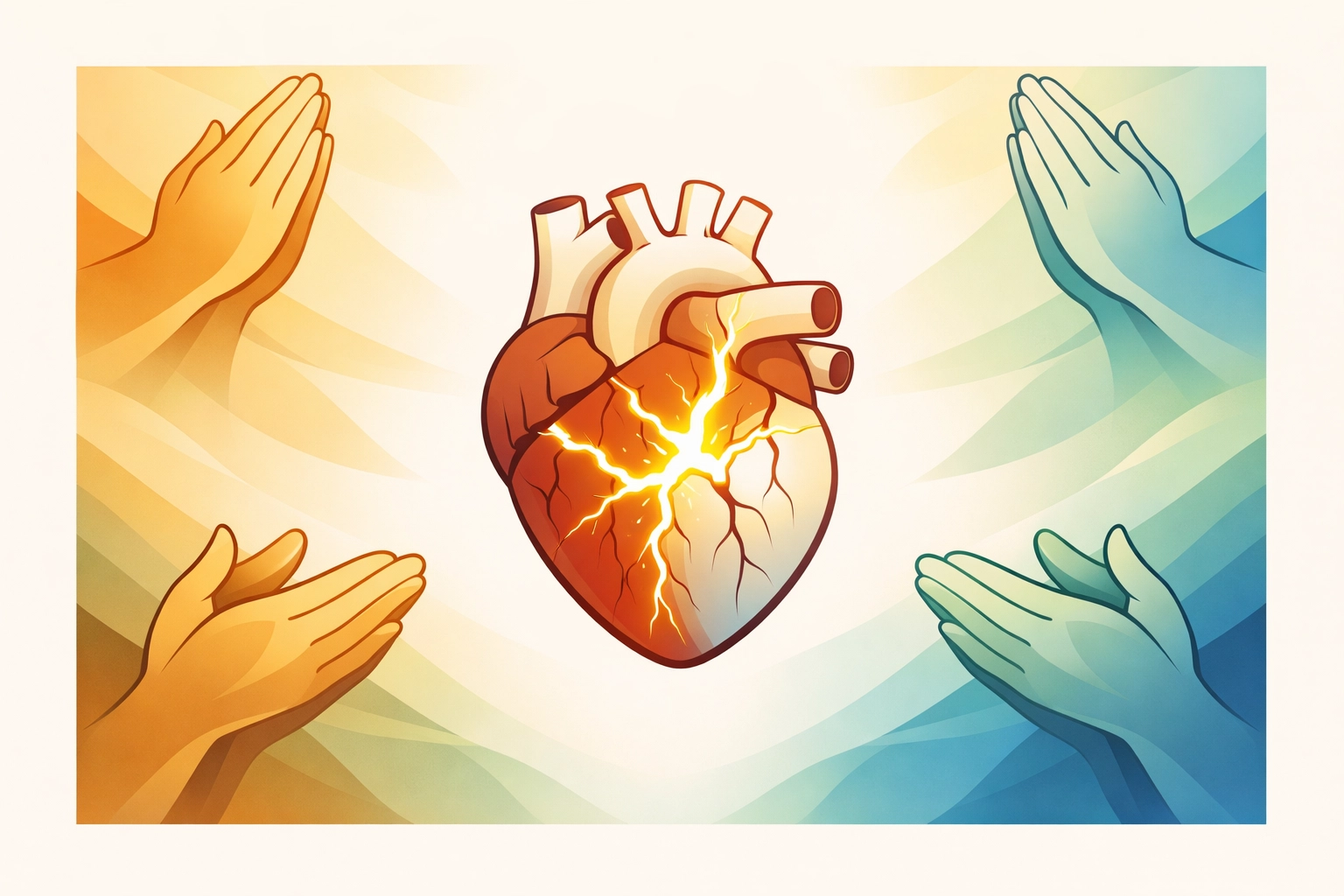
At some point, I had to make a conscious decision. I chose to forgive: not because the person deserved it, not because they apologized (some never did), and definitely not because I felt ready. I chose it in obedience to Christ's command.
Let me be clear: this doesn't mean excusing the behavior or saying it was okay. It means I chose to release the debt I believed that person owed me. I chose to trust God with justice instead of appointing myself judge, jury, and executioner.
This is the essential first phase. It's an act of will. You might even pray it out loud: "God, I choose to forgive [the person] for [what they did]. I release them from the debt I think they owe me. I'm choosing obedience even though my heart isn't there yet."
And then you get ready for the next part.
Step 4: Invite God Into the Heart Work
Making the intellectual decision is huge: but it's not the finish line. It's mile one of a marathon.
After I chose to forgive with my mind, I still had to deal with the anger, bitterness, and resentment lodged in my heart. That stuff doesn't evaporate overnight just because you decided to forgive. This is where the deeper work begins, and honestly, where you need God the most.
I started praying daily: sometimes multiple times a day: asking God to change my heart. "Drain away the bitterness. Replace my anger with compassion. Help me see this person the way You see them."
This phase involves spiritual disciplines: reading Scripture specifically about forgiveness, spending time in prayer, sometimes fasting, and committing to godly living even when it feels impossible. I won't lie: this process can take months or even years. Some wounds are so deep that healing happens in layers.

But here's what I've witnessed: when you consistently invite the Holy Spirit into your pain, transformation happens. Slowly, almost imperceptibly, you notice the sting isn't as sharp. You can think about the situation without your heart racing. Eventually, you might even feel genuine compassion for the person who hurt you.
That's not something you can manufacture. That's the Holy Spirit's work, and it's nothing short of miraculous.
Step 5: Understand That Forgiveness Doesn't Mean Reconciliation
This distinction saved me from a lot of confusion and unnecessary guilt.
Forgiveness and reconciliation are not the same thing.
I can fully forgive someone and still have healthy boundaries. I can release them from the debt and still choose not to have a relationship with them. God can bring me to complete forgiveness even if:
The relationship is never fully restored
The person never apologizes or takes responsibility
They continue harmful behavior
They don't even know (or care) that I've forgiven them
Forgiveness frees me. It's a unilateral decision that releases me from the prison of bitterness. Reconciliation, on the other hand, requires two willing participants. It requires the other person to acknowledge the wrong, take responsibility, and demonstrate real change.
Sometimes reconciliation happens, and it's beautiful. Sometimes it doesn't, and that's okay too. Your forgiveness isn't dependent on someone else's response.
Step 6: Give Yourself Grace for the Process
If there's one thing I wish someone had told me earlier, it's this: forgiveness is a process, not a one-time event.
There were days when I thought I'd dealt with it, and then something would trigger the memory and all the feelings would come flooding back. I'd think, "Did I not actually forgive? Am I failing at this?"
No. I was just human.
Healing isn't linear. You might need to return to prayer and recommitment as old wounds resurface. You might have to make the choice to forgive again when a new layer of hurt reveals itself. That doesn't mean you're doing it wrong: it means you're doing the work.
The fact that you're willing to learn and move forward, even imperfectly, pleases God. He's not standing over you with a stopwatch, frustrated that you're not healing fast enough. He's walking beside you, showing you the next step as you're ready for it.
Takeaway / Next Step
Forgiveness isn't about pretending nothing happened or forcing yourself to feel something you don't. It's about making a choice: sometimes repeatedly: to release the burden and trust God with justice and healing.
If you're struggling with an impossible-feeling forgiveness situation right now, start where you are. Maybe today that's just acknowledging the hurt. Maybe it's confessing your unforgiveness. Maybe it's making the decision for the first time or the hundredth time.
Whatever step you're on, know that you're not alone in this. God is with you, the Holy Spirit is your comforter and guide, and there's a community of believers walking similar paths.
If this post resonated with you or helped you take a step forward in your healing journey, I'd love for you to share it with someone who might need it. You can also reach out to me on the site if you want to continue the conversation: and just so you know, visiting helps raise funds for families who lost children at no cost to you through site support.
For deeper Christian teachings, community support, and resources on faith and healing, check out Boundless Online Church. You can browse privately or sign up to connect with others on similar journeys. Let's keep learning, growing, and loving like Jesus together( one step at a time.)
Comments