Family and Parenting: Teaching Kids to Tell the Truth (Even When They're Scared)
- Dr. Layne McDonald
- Feb 7
- 5 min read

I've learned the hard way that when kids lie, it's usually not about rebellion. It's about fear.
They're scared of disappointing us. Scared of consequences. Scared of losing our approval. And when fear drives the bus, honesty gets left at the station.
The tricky part? We can't just tell kids "don't lie." That's like telling someone who's afraid of heights to "just stop being scared." It doesn't work that way. Instead, we need to create an environment where telling the truth feels safer than lying, even when they've messed up big time.
Why Kids Lie When They're Scared
Let me be real with you: kids don't wake up thinking, "How can I be dishonest today?" They lie because in that moment, it feels like the best option available.
Think about it from their perspective. They broke your favorite mug. They didn't do their homework. They hit their sister. In their head, they're running a quick calculation: "If I tell the truth, I get in trouble. If I lie, maybe I don't." When fear of consequences outweighs trust in our response, lying wins.
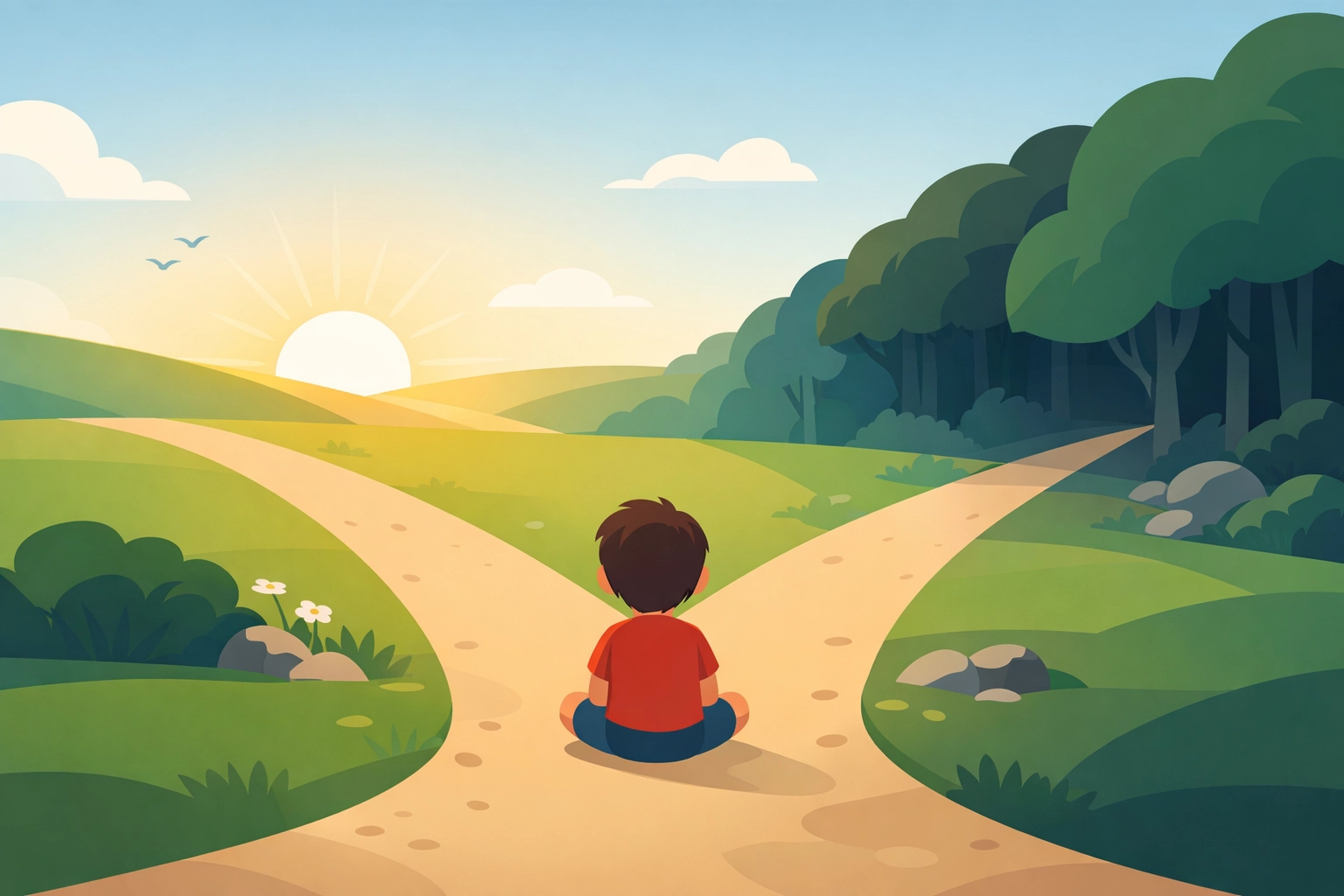
And here's what breaks my heart, sometimes we accidentally teach them to lie. When we explode in anger before hearing the full story, when we punish honesty just as harshly as deception, when we make them feel like our love is conditional on perfect behavior, we're basically handing them a script that says: "Hide your mistakes."
Creating Safety for Honesty
The foundation of truthfulness is safety. Not physical safety (though that matters too), but emotional safety. Kids need to know that even when they mess up, they're still loved, still valued, still ours.
I've started saying this phrase to my kids regularly: "Nothing you can do will make me stop loving you. Nothing." I repeat it when they've done something wrong and when they haven't. I want it burned into their minds so deeply that when they're standing at the crossroads of truth and lies, they remember: "I'm loved either way."
That doesn't mean there are no consequences. It means consequences happen in the context of unwavering love, not rejection.
When a child does tell the truth about something difficult, I've learned to acknowledge the courage that took: "You could have lied about that. You could have hidden it. But you didn't. That took guts, and I'm proud of you for being honest." Notice I'm not saying the action was okay, I'm celebrating the honesty itself.
This is huge. We need to separate the behavior from the character. "What you did was wrong, but choosing to tell me the truth shows me who you really are, someone I can trust."
Strategic Questioning (Don't Set Them Up to Lie)
Here's a game-changer I wish I'd learned years ago: stop asking questions you already know the answer to.
"Did you brush your teeth?" when you know the toothbrush is bone dry is basically an invitation to lie. You're testing them, and they know it. Instead, try: "Let me see that smile! I want to see how clean those teeth are."
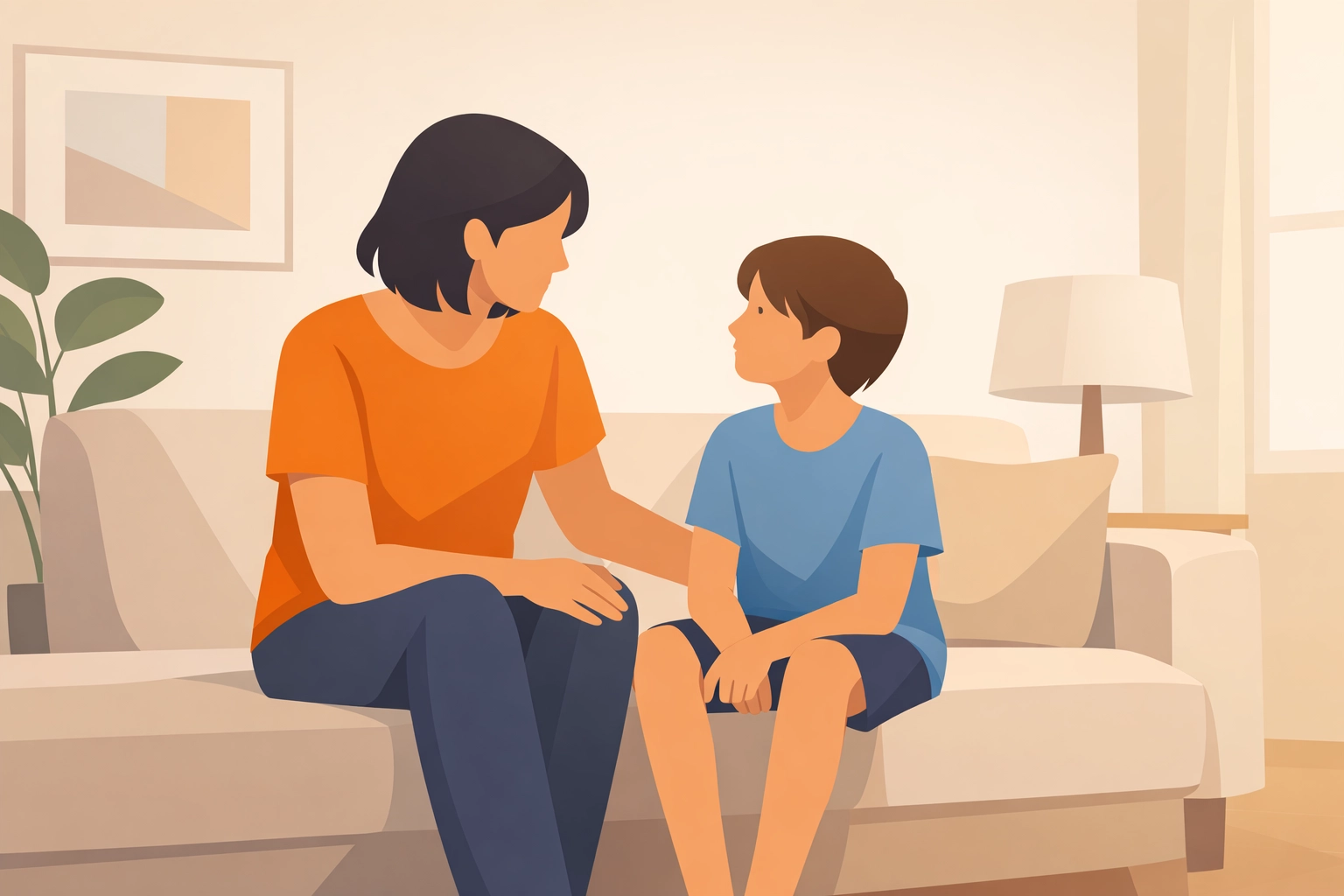
Or better yet: "I'm going to check your toothbrush. Want to guess if it'll be wet or dry?"
See the difference? You're removing the temptation. You're making honesty the path of least resistance.
When I suspect my kid broke something, I don't say, "Did you break this?" I say, "I noticed this is broken. Can you help me understand what happened?" Open-ended questions invite explanation rather than yes/no answers that feel like traps.
This isn't about being soft. It's about being smart. We're building a culture of truth-telling, not setting up opportunities for lying.
Model Honest Vulnerability
Kids learn more from what we do than what we say. If we want them to tell the truth when they're scared, they need to see us do the same.
I've started being more open about my own struggles with honesty. Not in a way that overshares or burdens them, but in age-appropriate ways that show truth-telling is a choice I make too.
"You know what? I really didn't want to call that customer back today because I made a mistake on their order. I was scared they'd be angry. But I did it anyway, and you know what? It turned out okay. Honesty is always better, even when it's hard."
When I mess up with my kids, I apologize specifically. I don't just say "sorry", I name what I did wrong and what I should have done instead. "I shouldn't have yelled at you like that. That was wrong of me. You deserved better. Will you forgive me?"
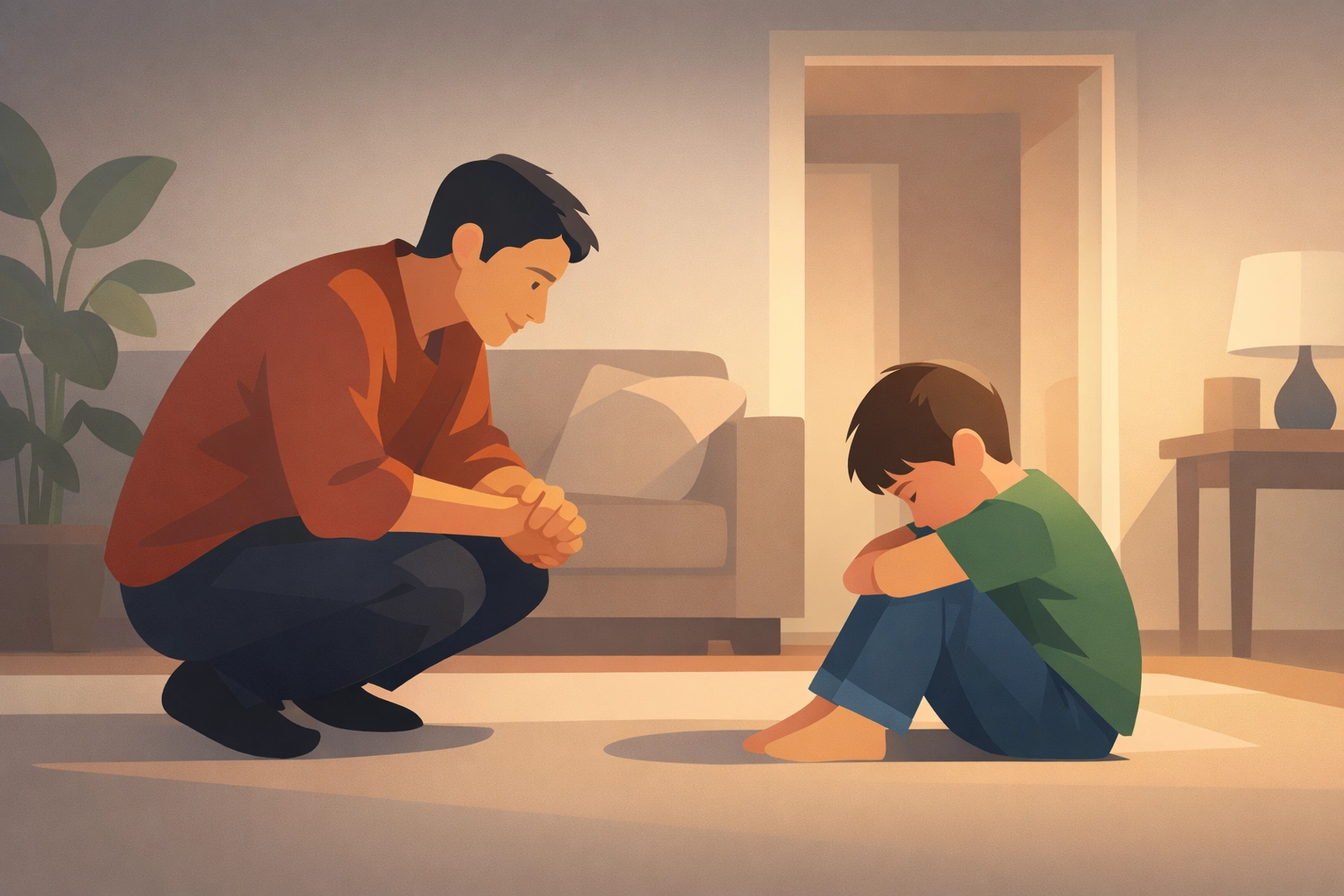
This shows them that adults make mistakes too, and the right response is to own it, not cover it up.
Reinforce Truthfulness Consistently
Here's the deal: if we only talk about honesty when someone's lying, we're missing most of the opportunities.
Catch them telling the truth. Notice it. Name it. Celebrate it.
"I asked you if you finished your chores, and you told me the truth that you hadn't. Thank you for being honest. Now let's get them done."
"Your teacher told me you admitted to talking in class without being asked. That takes character."
We're building their identity as truth-tellers. Every time we acknowledge honesty, we're reinforcing: "This is who you are. This is who you're becoming."
And it goes both ways: when we make promises, we need to keep them. When we say we'll do something, we need to follow through. Kids learn that words matter when they see ours matter.
The Biblical Foundation for Truth and Grace
Here's where faith meets parenting in the most beautiful way. The Bible is full of truth and grace working together: never one without the other.
Jesus didn't ignore sin, but He didn't condemn people either. He spoke truth with incredible gentleness. "Neither do I condemn you. Go and sin no more." Truth and grace. Honesty about the wrong, compassion for the person.
That's our model. We speak truth about the behavior while extending grace to the child.
Proverbs talks about training up a child in the way they should go. Part of that training is creating an environment where truth can flourish. Where honesty is safer than dishonesty. Where confession leads to restoration, not just punishment.
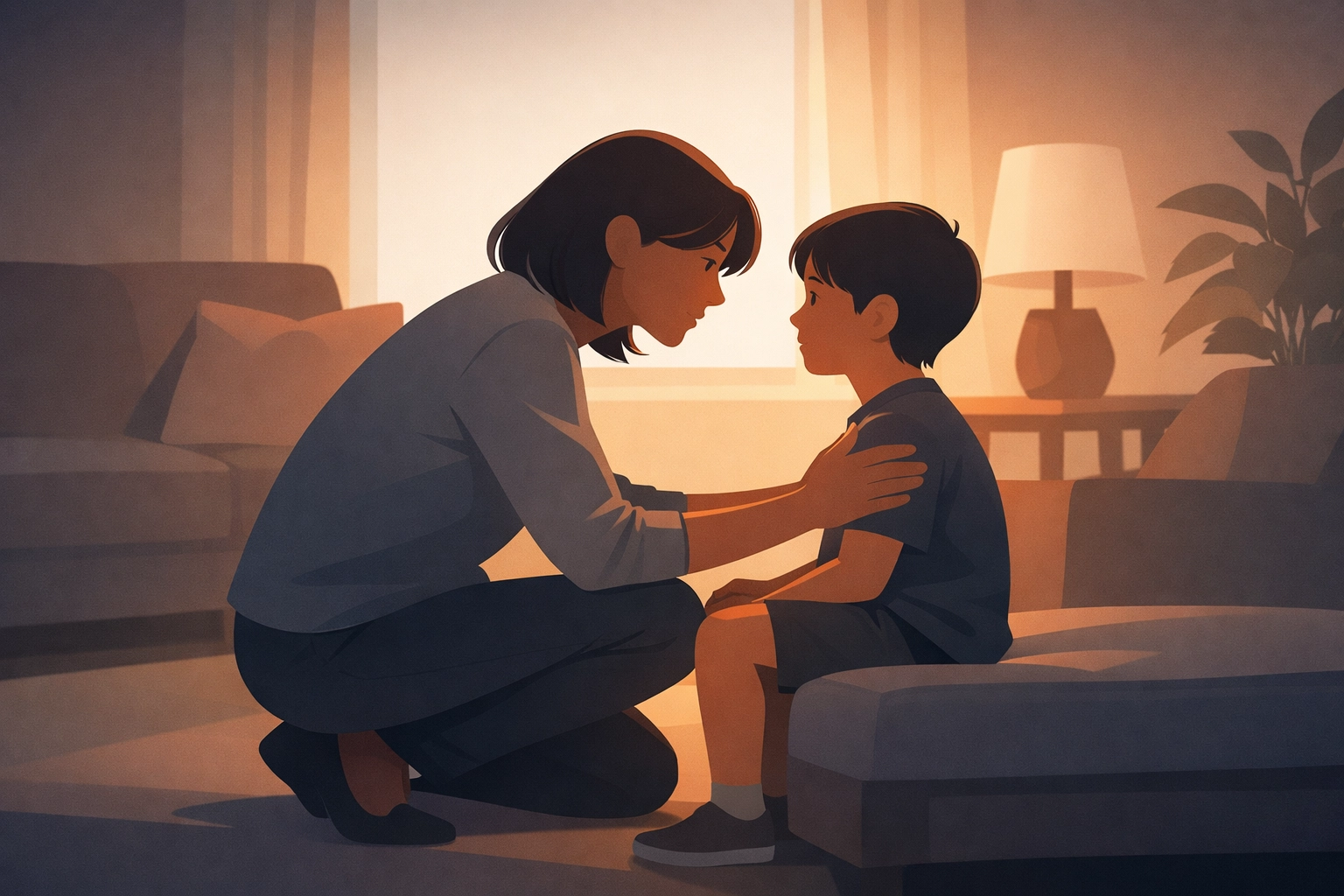
When we love our kids like Jesus loves His children: with perfect patience, unconditional acceptance, and unwavering commitment: we're giving them the safest possible place to tell the truth.
Takeaway / Next Step
Teaching kids to tell the truth when they're scared isn't a one-time conversation. It's a daily practice of creating safety, modeling vulnerability, and celebrating honesty.
Here's your practical next step: this week, catch your child telling the truth about something: anything: and acknowledge it specifically. Name what they did and why it matters. Build their identity as a truth-teller one small moment at a time.
And remember, you're not trying to raise perfect kids. You're raising honest ones. Kids who know that truth is always better than hiding, that mistakes can be fixed, and that your love isn't going anywhere.
Start small. Be consistent. Show them that honesty leads to connection, not rejection.
If you found this helpful and want more practical parenting insights rooted in faith, reach out to me on the site at www.laynemcdonald.com. Browsing the content there helps raise funds for families who've lost children through Google AdSense: at no cost to you. For deeper Christian teachings and community support, check out www.boundlessonlinechurch.org, where you can access resources privately or sign up to connect with others on the same journey.
Comments