
The Ultimate Guide to Building Safe Faith Homes: Everything You Need to Protect Your Kids
- Dr. Layne McDonald
- Feb 9
- 6 min read

Updated: Feb 9
I'll be honest: when I first became a parent, I thought childproofing meant slapping outlet covers on everything and calling it a day. I quickly learned that building a truly safe faith home goes so much deeper than physical barriers. It's about creating an environment where kids can explore, ask hard questions, and grow in their faith while staying protected from real-world dangers: both seen and unseen.
After years of trial and error (and more than a few close calls), I've developed a framework that combines physical safety, emotional security, digital boundaries, and faith-centered guidance. Here's everything I've learned about protecting our kids while helping them thrive.
Start at Their Level, Literally
The first time I got down on my hands and knees and crawled through my house, I was shocked. From an adult's standing view, everything looked fine. From a toddler's perspective? It was a minefield of accessible cleaning supplies, dangling cords, and sharp corners I'd never noticed.
I make it a habit to do a quarterly "child's-eye view" walkthrough. I look for what's within reach, what can be climbed, and what could become a hazard as my kids develop new skills. That bottle of dish soap under the sink? A potential poisoning risk.
The bookshelf that isn't anchored? A tipping hazard waiting to happen. The pool gate with a slightly loose latch? A nightmare scenario I don't want to think about.
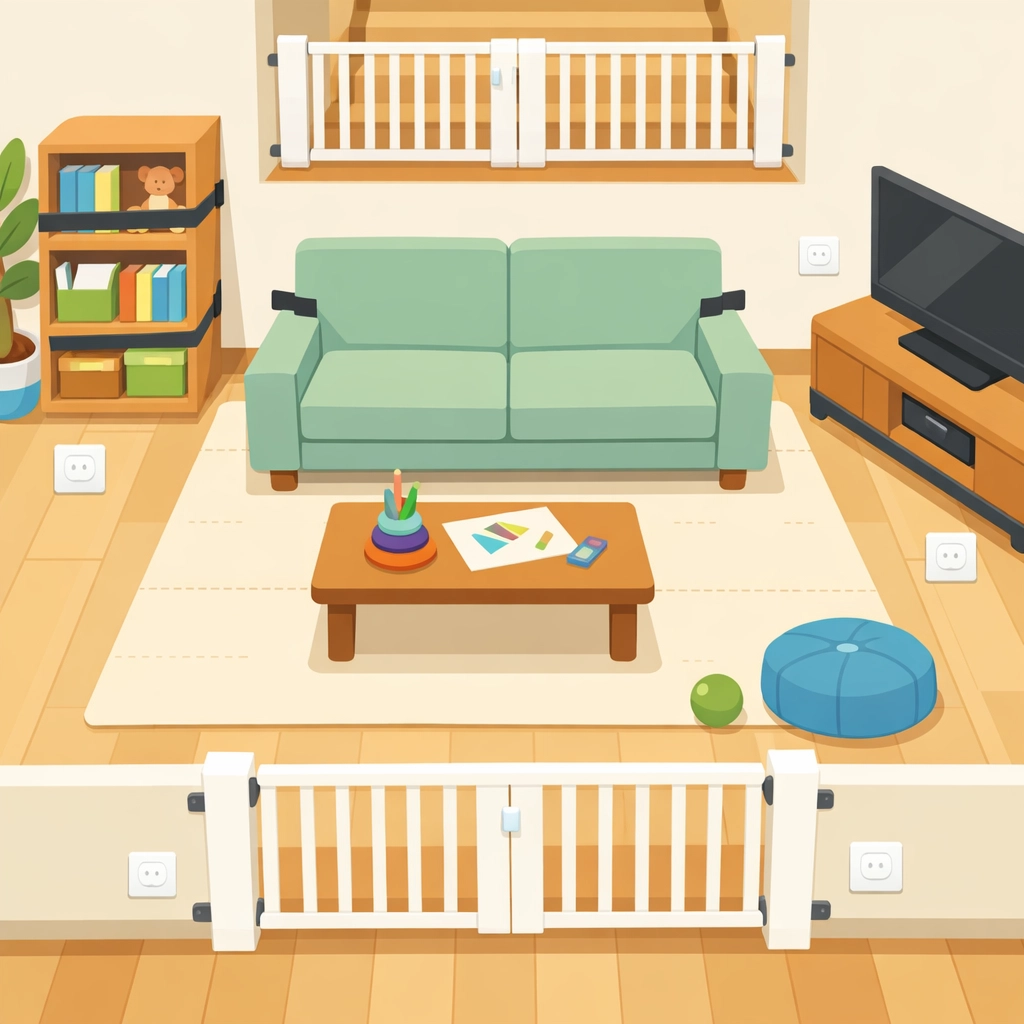
Here's my non-negotiable checklist:
Lock away all medications, cleaning supplies, and alcohol
Secure furniture and TVs to walls
Install safety gates at stairs
Cover outlets and secure cords
Keep a first-aid kit accessible (but out of kids' reach)
Post emergency numbers where caregivers can find them quickly
But here's what took me longer to learn: no amount of childproofing replaces close supervision. I've seen parents become overconfident in their safety measures, and that's when accidents happen. I stay vigilant, especially during those transitional phases when kids learn to crawl, walk, or climb.
Build Emotional Security Through Predictable Routines
Physical safety is just the foundation. Kids also need emotional safety: the kind that comes from knowing what to expect and feeling secure in their family structure.
I've noticed that when our household routines get disrupted (late bedtimes, skipped meals, inconsistent wake times), my kids' behavior reflects it. They get more anxious, more defiant, and more prone to testing boundaries. It's not rebellion: it's insecurity.
I keep our daily rhythms as consistent as possible:
Same wake-up time (even on weekends, mostly)
Regular mealtimes as a family
Predictable bedtime routine with prayer and connection time
Weekly family meetings to discuss schedules and concerns
These routines do more than create order: they demonstrate God's faithful nature to our kids. When I keep my promises (even small ones like "we'll read that story tonight"), I'm showing them what a trustworthy Father looks like. When I maintain boundaries with love, I'm teaching them that structure isn't punishment: it's protection.
Navigate Digital Dangers Without Creating Fear
This is where modern parenting gets tricky. We can't eliminate technology from our kids' lives, but we can't ignore the risks either. I've had to become intentional about digital safety without making screens the enemy.
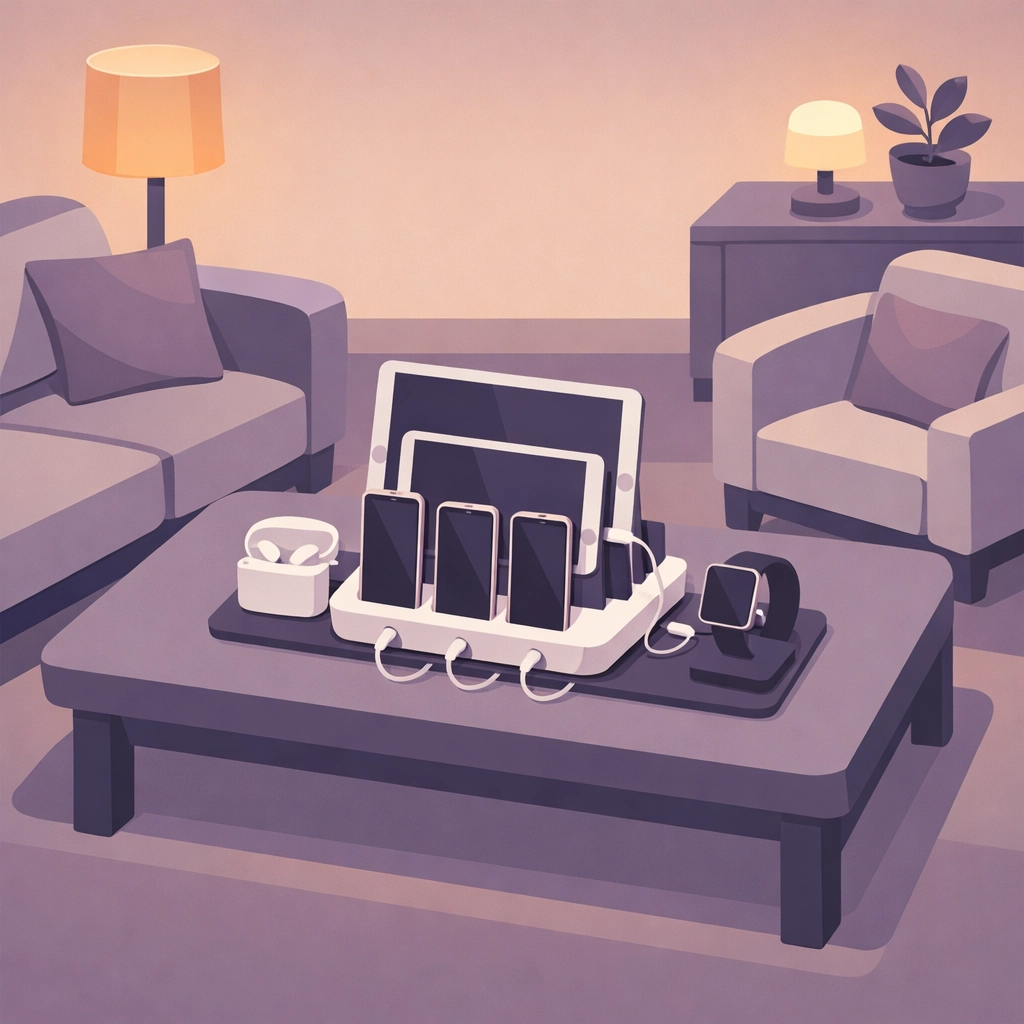
Here's what's working in our home:
Age-Appropriate Guidelines:
Ages 0-2: No screen time except video calls with family
Ages 3-5: 30-60 minutes maximum of high-quality educational content, always with me present
Ages 6+: Limited recreational screen time with clear boundaries and ongoing conversations
Physical Boundaries:
No devices in bedrooms (including mine: I practice what I preach)
Tech-free zones at the dinner table
All devices charge in a central location overnight
Screens stay in common areas where I can glance over
Monitoring Tools:
I've researched both Bark and Covenant Eyes, and here's my honest take: Bark works well for catching concerning content across multiple platforms and alerting me to potential issues. It's more comprehensive for social media monitoring. Covenant Eyes is better for accountability around web browsing, especially for older kids and teens who need to develop self-control with internet use.
I ended up using both, but tailored to different needs: Bark for my younger kids' devices, and Covenant Eyes for accountability partnerships as they get older.
When Problems Arise:
The first time my child encountered inappropriate content, I wanted to panic. Instead, I took a breath and responded calmly. I didn't shame or overreact. I used it as a teaching moment, explaining why that content doesn't align with our family values and what to do next time.
That approach kept the door open for my child to come to me with future concerns instead of hiding them.
Create Space for Faith Questions
One of my biggest mistakes early on was thinking I needed to have all the theological answers. When my five-year-old asked, "Why did God let Grandpa die?" I froze, terrified of saying the wrong thing.
I've learned that creating a safe space for questions matters more than having perfect answers.

I started a "God & Feelings Jar" where my kids can drop in any question or drawing about faith, life, or things they don't understand. Every Sunday evening, we pull out the papers and talk through them together, using Scripture and age-appropriate explanations.
Some of the questions have been heartbreaking:
"Does God still love me when I'm bad?"
"Why do some kids not have enough food?"
"Is it okay to be mad at God?"
These questions represent growth, not problems. They show my kids trust me enough to be honest about their doubts and fears. That trust is sacred, and I protect it by never dismissing their concerns or offering shallow platitudes.
I point them to biblical truths:
God loves them unconditionally (Romans 8:38-39)
It's okay to bring honest emotions to God (the Psalms are full of lament)
We live in a broken world, but God is making all things new (Revelation 21:4-5)
Make Safety a Team Effort
I can't protect my kids alone. Everyone who cares for them: grandparents, babysitters, youth group leaders, even older siblings: needs to be on the same page about our safety standards.
I created a simple one-page "Family Safety Guidelines" sheet that I share with anyone who watches my kids. It includes:
Emergency contacts
Allergies and medical information
Screen time rules
Discipline approach
Faith practices (prayer before meals, bedtime routine)
Physical safety boundaries (pool rules, street crossing, etc.)
Some family members have pushed back on our standards, especially around screens. I've had to hold firm, reminding myself that I'm the parent and these boundaries exist for good reasons. It's not always comfortable, but consistency matters more than keeping everyone happy.
The Circle of Security in Action
I learned about the "Circle of Security" model from a parenting course, and it changed how I think about safety. The idea is simple: kids need caregivers to be both a secure base (go explore!) and a safe haven (come back when you need comfort).
This mirrors how God parents us. He sends us out with purpose and mission, but He's always there when we're overwhelmed and need to return to Him.
Practically, this looks like:
Encouraging age-appropriate independence and exploration
Being emotionally available when my kids need reassurance
Helping them learn to identify and regulate their emotions
Teaching them to problem-solve while providing support
When my daughter fell off her bike last month, I didn't rush over immediately. I waited to see if she'd get up on her own (she did). Then I was there to check for injuries, offer comfort, and help her decide whether she wanted to try again or take a break. She chose to try again: because she knew I was there if she needed me.
Takeaway / Next Step
Building a safe faith home isn't about achieving perfection or eliminating every risk. It's about creating an environment where physical safety, emotional security, digital boundaries, and faith-centered guidance work together to help our kids thrive.
Start with one area this week. Maybe it's doing that hands-and-knees safety check. Maybe it's establishing tech-free mealtimes. Maybe it's creating your own "God & Feelings Jar" for faith conversations.
Small, consistent steps compound over time. Our kids are watching how we respond to their questions, respect their emotions, and maintain boundaries with love. We're not just keeping them safe: we're showing them what it looks like to be a child of God who is both protected and empowered.
If you're navigating these challenges and want to connect with other parents working through similar issues, reach out to me on the site at laynemcdonald.com or find community support at Boundless Online Church. Also, simply browsing the site helps support families in need through ad revenue at no cost to you.
What's one safety boundary you're going to implement this week? Share it with another parent for accountability( we're in this together.)
Comments