
Finding Peace in the Chaos: A Guide to Managing Anxiety with Faith
- Dr. Layne McDonald
- Mar 6
- 4 min read

Your heart races. Your thoughts spiral. Sleep feels impossible, and even the simplest decisions feel overwhelming. If you've ever experienced these moments, you're not alone: and more importantly, you're not without hope.
Anxiety affects millions of people, and as believers, we sometimes feel guilty for struggling with worry when we know God promises peace. But here's something I want you to hear today: experiencing anxiety doesn't mean your faith is weak. It means you're human. And God meets us right where we are: in the chaos, in the worry, in the 3 AM thoughts that won't quiet down.
Today, I want to walk alongside you through practical, faith-centered strategies that honor both your spiritual life and the very real way your brain processes stress. Because true healing often happens when we address our whole selves: mind, body, and spirit.
Understanding Anxiety Through a Faith Lens
Before we dive into solutions, let's acknowledge something important: anxiety has both spiritual and physiological components. Your brain is wired to protect you from danger, and sometimes that system goes into overdrive even when there's no real threat present.
This isn't a character flaw. It's not a lack of faith. It's simply how our nervous systems respond to perceived stress in a world that constantly demands our attention.
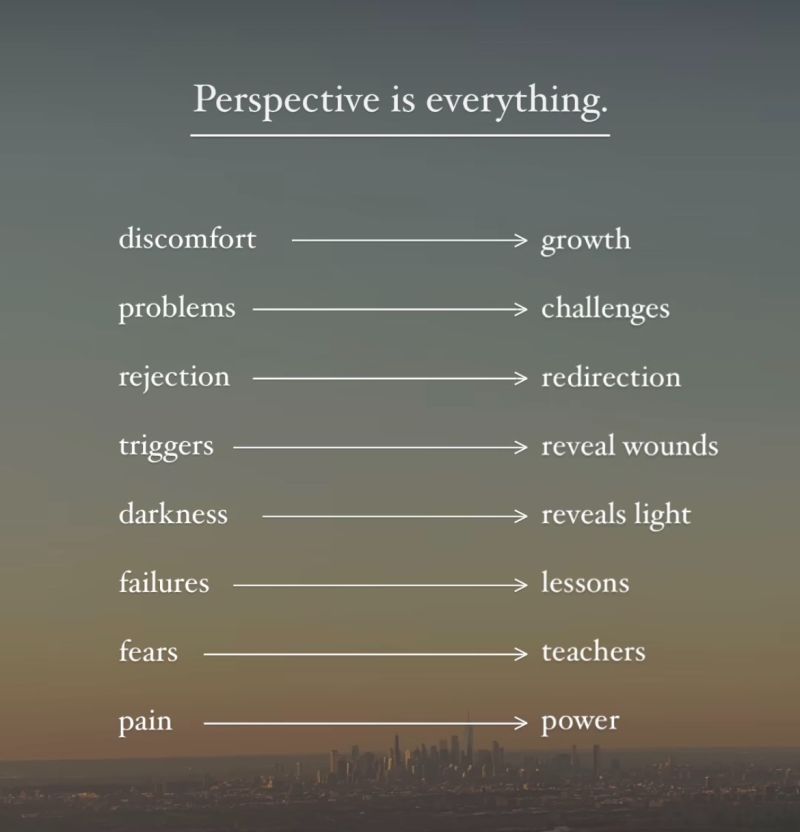
What makes faith-based anxiety management so powerful is that it addresses anxiety holistically. We're not just managing symptoms: we're inviting God into our healing process while also understanding how He designed our minds to work.
The Apostle Paul knew anxiety. David cried out in distress throughout the Psalms. Even Jesus experienced such anguish in the Garden of Gethsemane that He sweat drops of blood. Scripture doesn't shy away from the reality of human struggle: and neither should we.
The Power of Prayer as Therapeutic Communication
Prayer is often our first response when anxiety hits, and there's beautiful science behind why it works. Research shows that regular prayer is associated with lower levels of anxiety and depression because our bodies actually decrease production of stress hormones when we pray.
But prayer during anxious moments looks different than our typical conversations with God. Here's how to make it truly therapeutic:
Be specific about your worries. Don't just say "help me feel better." Name what's troubling you. God already knows, but speaking it aloud helps your brain process the fear.
Practice breath prayer. Inhale slowly while praying a short phrase like "Lord, I need You." Exhale while releasing the anxious thought to Him.
Listen, don't just speak. After sharing your worries, sit quietly. Sometimes peace comes not from answers but from presence.
Philippians 4:6-7 reminds us: "Do not be anxious about anything, but in every situation, by prayer and petition, with thanksgiving, present your requests to God. And the peace of God, which transcends all understanding, will guard your hearts and your minds in Christ Jesus."
Notice that Paul doesn't say our circumstances will change. He says God's peace will guard our hearts and minds. That's the goal: not a worry-free life, but a peace-filled heart even in uncertain times.
Scripture Meditation: More Than Just Reading
There's a significant difference between reading scripture and meditating on it. Reading informs your mind; meditation transforms it.
Scripture-based meditation isn't about emptying your thoughts (that's a different practice entirely). It's about filling your mind with God's truth so there's less room for anxious lies.

Here's a simple practice to try:
Even this brief practice can shift your entire day from overwhelming to manageable. Your brain literally begins to calm as you focus on truth rather than fear.
Reframing Anxious Thoughts with Biblical Truth
Cognitive-behavioral therapy (CBT) has proven incredibly effective for anxiety, and when we anchor those techniques in scripture, they become even more powerful.
The process is simple:
This isn't positive thinking or denial. It's renewing your mind according to Romans 12:2. You're not pretending the difficulty doesn't exist: you're choosing to view it through the lens of God's faithfulness rather than your fear.
Building Daily Habits That Anchor Your Peace
Anxiety rarely responds to one-time solutions. Lasting peace comes from consistent, daily practices that keep you connected to God and aware of His presence.
Consider building these into your routine:
The Importance of Community in Your Healing
Anxiety often whispers that you need to handle things alone, that no one would understand, that you're a burden. Don't believe it.
God designed us for community. Galatians 6:2 calls us to "bear one another's burdens." James 5:16 encourages us to confess our struggles to one another and pray for each other so that we may be healed.
Whether it's a small group, a trusted friend, or a professional Christian counselor, having someone to walk with you makes the journey lighter. Vulnerability within spiritual community provides empathy and insight that's critical to healing.

Taking Your Next Step Toward Peace
Managing anxiety isn't about achieving perfection or never feeling worried again. It's about developing tools and deepening your relationship with the One who promises to be with you in every storm.
Remember: God isn't disappointed in your anxiety. He's moved by it. He draws close to the brokenhearted and saves those who are crushed in spirit (Psalm 34:18).
If you've been struggling and feel like you need someone to walk alongside you, I'd be honored to connect. Sometimes having a coach or counselor who understands both the spiritual and practical sides of anxiety can make all the difference.
Ready to take the next step? Book a chat session at laynemcdonald.com and let's talk about what peace could look like in your life. You don't have to navigate this alone.
Peace isn't the absence of chaos; it's the presence of Christ in the midst of it. And that peace? It's available to you today.
( Dr. Layne McDonald)
Comments