
Forgiveness in Family Life: Three Ways to Restore Relationships and Rekindle Faith at Home
- Dr. Layne McDonald
- Dec 19, 2025
- 5 min read

Family wounds cut the deepest. When someone you love hurts you, the pain feels more intense because it comes from someone who's supposed to be your safe harbor. But here's what I've learned through years of ministry and counseling: the same love that makes family wounds so painful also creates the strongest foundation for healing.
Forgiveness in family life isn't just about saying "sorry" and moving on. It's about rebuilding trust, restoring connection, and creating space for God to work in your home. When families learn to forgive well, they don't just heal from past hurts, they create a culture where grace flourishes and faith grows stronger.
The Heart of Family Forgiveness
Before we dive into practical steps, we need to understand what family forgiveness actually looks like. It's not pretending the hurt never happened or excusing harmful behavior. Real forgiveness acknowledges the pain while choosing to release the right to punish. It's deciding that the relationship matters more than being right.
Family forgiveness is also deeply spiritual. When we forgive our family members, we mirror God's forgiveness toward us. We teach our children what grace looks like in action. We create homes where people can be imperfect and still be loved unconditionally.

Way #1: Build Bridges Through Understanding
The first step toward healing family relationships is developing genuine empathy for the person who hurt you. This doesn't mean agreeing with their actions, it means trying to understand the "why" behind their behavior.
Maybe your teenager lashed out because they're struggling with peer pressure at school. Perhaps your spouse was short-tempered because work stress has been overwhelming them. Your adult child might have pulled away because they're dealing with their own family challenges.
Here's how to build understanding:
• Ask curious questions instead of making accusations. "Help me understand what was going on for you" works better than "Why did you do that?"
• Look for the unmet need behind the behavior. Most hurtful actions stem from fear, pain, or feeling overwhelmed.
• Remember that everyone's worth matters to God, including the person who hurt you.
• Pray for God to give you His perspective on the situation.
When you can see your family member as someone who's struggling rather than someone who's attacking, forgiveness becomes possible. This empathetic shift is crucial because research shows that understanding the offender's perspective is one of the most powerful predictors of successful forgiveness.

Way #2: Create Safe Spaces for Truth-Telling
Healing can't happen in silence. Families need dedicated time and space to talk through what went wrong and how everyone was affected. But this isn't about having a free-for-all argument, it's about creating structured opportunities for honest, respectful communication.
Set the stage for healing conversations:
• Choose a time when everyone can focus without distractions. Turn off phones and eliminate interruptions.
• Start by agreeing that the goal is restoration, not punishment.
• Let each person share how they were affected without interruption.
• Use "I" statements instead of "you" accusations. "I felt dismissed when..." instead of "You always dismiss me..."
• Acknowledge feelings before moving to solutions. "I can see that you're really hurt by this" validates their experience.
The person who caused harm needs to own their actions without excuses. Avoid statements like "I'm sorry, but you made me..." Instead, genuine apologies sound like "I was wrong. I hurt you. I take full responsibility."
For the person who was hurt, this is your chance to express the impact without attacking character. Focus on specific behaviors and their effects rather than making broad statements about who someone is.
Remember, the goal isn't to win the conversation, it's to understand each other and find a path forward together.
Way #3: Take Action to Release and Rebuild
Forgiveness isn't complete until it moves from words to actions. This third way involves both releasing negative emotions and actively rebuilding the relationship through changed behavior.
For the person seeking forgiveness:
• Make specific commitments about how you'll do things differently going forward.
• Follow through consistently on those commitments, even when it's hard.
• Be patient with the rebuilding process, trust takes time to restore.
• Continue checking in: "How are we doing? Is there anything else I need to address?"
For the person offering forgiveness:
• Choose to release the right to keep bringing up past offenses.
• Look for and acknowledge positive changes when you see them.
• Work on letting go of resentment through prayer, journaling, or talking with a counselor.
• Practice gratitude for the growth you're seeing in your relationship.

Practical release activities for families:
• Write letters expressing your hurt, then ceremonially tear them up or burn them as a symbol of letting go.
• Create a "forgiveness jar" where family members can put notes about things they're choosing to forgive.
• Pray together, asking God to heal hearts and restore relationships.
• Plan new positive experiences together to start building fresh memories.
The key is making forgiveness active, not passive. It's not enough to say "I forgive you", both people need to participate in rebuilding trust through changed actions over time.
When Forgiveness Gets Complicated
Some family situations involve deeper wounds, abuse, addiction, or repeated betrayals that have shattered trust. In these cases, forgiveness doesn't mean immediately returning to business as usual. You can forgive someone and still maintain healthy boundaries.
Forgiveness can happen even when reconciliation isn't safe or possible. You might forgive a family member who continues in destructive patterns while also protecting yourself and others from ongoing harm.
If you're dealing with serious family trauma, please consider working with a Christian counselor who can help you navigate forgiveness in a way that honors both grace and safety.
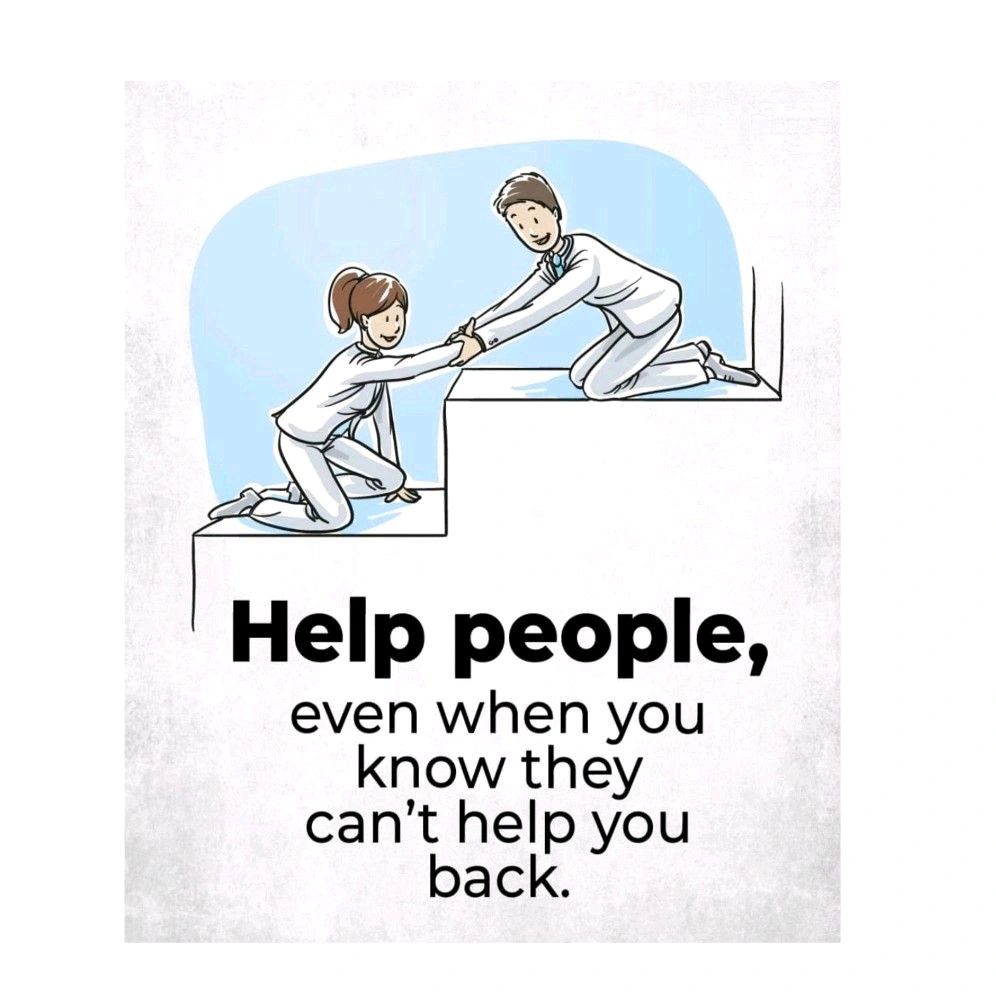
The Ripple Effect of Family Forgiveness
When families learn to forgive well, the benefits extend far beyond resolving individual conflicts. Children learn that relationships can survive difficulties. Spouses model grace for each other. Extended family gatherings become places of peace rather than tension.
Most importantly, families who practice forgiveness create homes where God's love is tangible. They become living testimonies to the power of grace, showing their communities what redemption looks like in everyday life.
Your family's forgiveness journey might not be perfect, but it doesn't need to be. God uses our imperfect attempts at grace to bring healing and draw hearts closer to Him.
Moving Forward Together
Forgiveness in family life is both a decision and a process. It starts with a choice to prioritize the relationship over the offense, but it's sustained through daily decisions to extend grace, communicate openly, and actively work toward restoration.
Remember that forgiveness is ultimately a gift you give yourself and your family. When you release resentment, you free yourself from the prison of past hurts. When you choose understanding over judgment, you create space for love to grow. When you take action to rebuild, you participate in God's work of making all things new.
The journey toward restored family relationships isn't always easy, but it's always worth it. Every step you take toward forgiveness is a step toward the kind of family life God wants for you: one marked by grace, growth, and genuine love.
Ready to take the next step in your family's healing journey? Whether you're dealing with minor misunderstandings or major conflicts, you don't have to navigate forgiveness alone. Professional Christian counseling can provide the tools and support you need to restore relationships and strengthen your family's faith foundation.
If you want to learn more about Layne McDonald, his works, and media, visit www.laynemcdonald.com. Layne is the online church pastor for Boundless Online( made possible by famemphis.org/connect.)
Comments