Greeter Tip: Reading the Unspoken
- Dr. Layne McDonald
- Mar 4
- 4 min read

You've probably experienced it before. Someone walks through the church doors, smiles politely, and says, "I'm fine." But something in their posture tells you a completely different story. Their shoulders are hunched. Their eyes dart toward the exit. Their arms are wrapped tightly across their chest like a shield.
As a greeter, you're not just holding open a door, you're standing at the threshold of someone's spiritual journey. And sometimes, the most important conversations happen without a single word being spoken.
Reading the unspoken language of the people who walk through your doors isn't about being a mind reader. It's about paying attention. It's about empathy. And honestly? It's one of the most Christ-like skills you can develop in your ministry.
Why Body Language Matters at the Door
Think about the last time you walked into an unfamiliar place. Maybe it was a new gym, a different grocery store, or a church you'd never visited. Remember that split-second vulnerability? That moment when you wondered if you belonged?
Now multiply that feeling by ten for someone who's coming to church for the first time, or returning after years away. They're carrying invisible weight. Doubt. Fear. Hope. Sometimes all three at once.
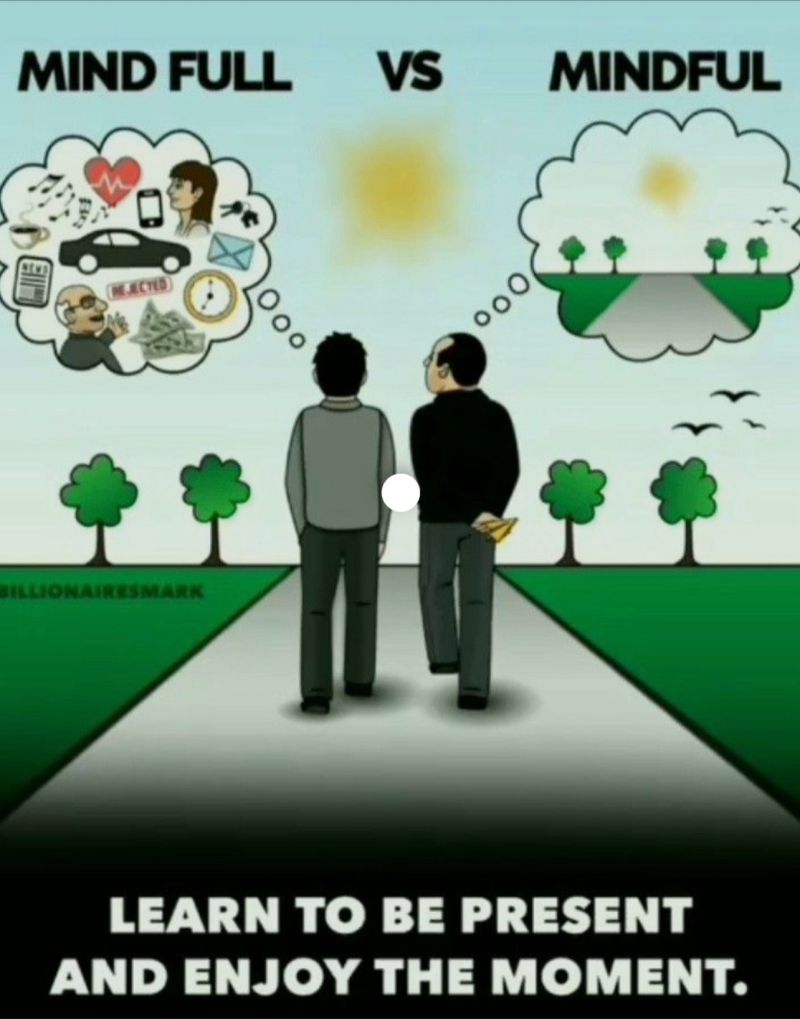
Your role as a greeter isn't just to say "Good morning!" and hand out a bulletin. Your role is to create a space where people feel seen and safe. And that starts with noticing what they're not saying.
Signs That Someone Is Open and Engaged
When a guest is comfortable and genuinely interested in connecting, their body will tell you. Here's what to look for:
Leaning in: A relaxed forward lean shows curiosity and openness. They're not trying to create distance between you.
A real smile: This one reaches the eyes. The corners crinkle. A polite smile stays only on the lips.
Head tilting: A slight tilt indicates active listening and genuine interest in what you're saying.
Open posture: Arms at their sides or gesturing naturally. No crossed arms, no clenched fists.
Eye contact: Comfortable, not intense. They're not looking past you or scanning for the nearest exit.
Nodding: Small affirmative nods signal agreement and engagement.
When you see these cues, lean into the conversation. This person is ready to connect. Ask their name. Find out if they're new. Offer to walk them to a seat or introduce them to someone who shares their interests.
Signs That Someone Needs Space or Comfort
Not everyone who walks through the door is ready to chat. And that's okay. Part of being a great greeter is knowing when to step back with grace.
Watch for these signals:
Crossed arms or legs: These act as physical barriers. They suggest resistance, discomfort, or a need for protection, even if the person is smiling.
Brief answers: One-word responses combined with glances at a watch or phone? They're not being rude. They're overwhelmed or anxious.
Face touching or neck rubbing: These self-soothing gestures often indicate nervousness or uncertainty.
Scanning the room: Someone who stops at the entrance and surveys the space cautiously is likely new and feeling vulnerable.
Rigid posture: Stiff shoulders and a locked jaw often signal tension or fear.
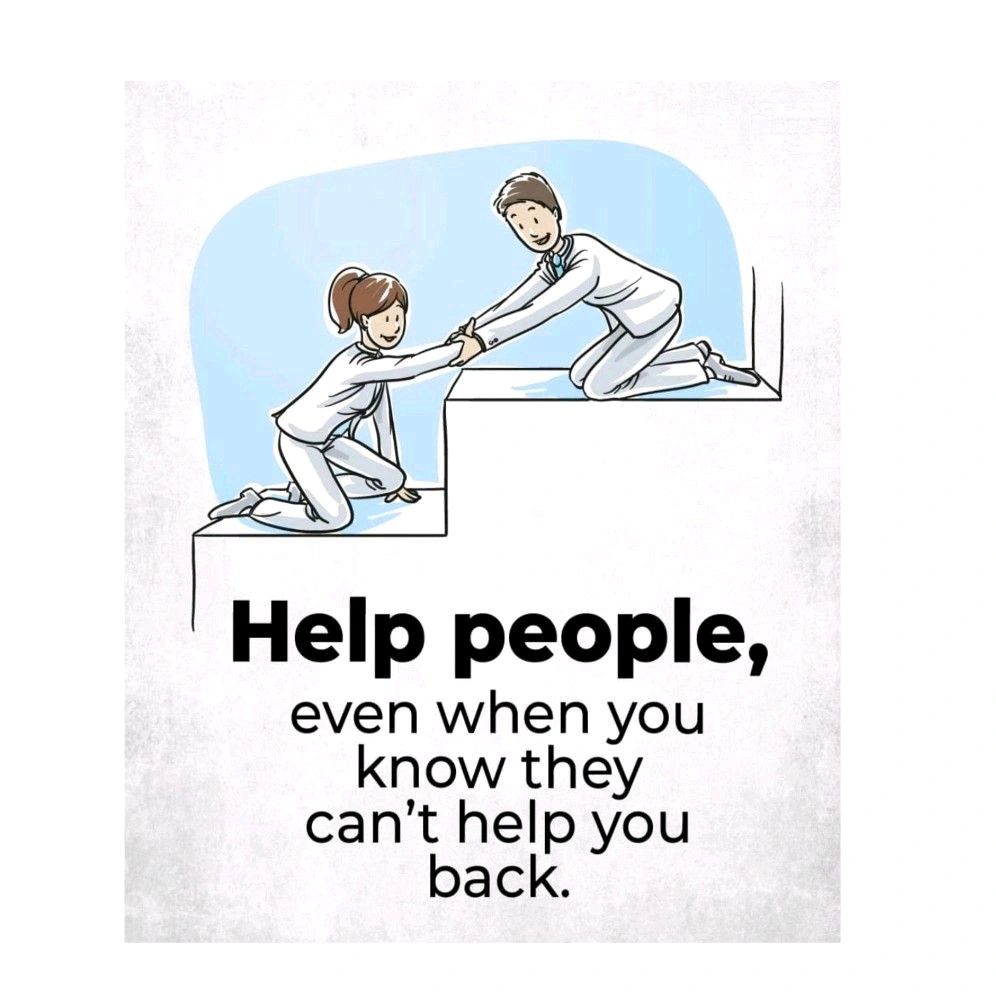
When you notice these signs, don't push. A warm smile, a simple "Welcome: let me know if you need anything," and a step back can communicate more love than an overly enthusiastic greeting ever could.
The Cluster Rule: Don't Rely on One Signal
Here's a crucial tip: never judge someone's state based on a single gesture.
A furrowed brow might mean confusion: or it might mean they're concentrating hard. Crossed arms could signal defensiveness: or they might just be cold. One signal is unreliable. But when you see a cluster of cues pointing in the same direction, pay attention.
For example:
Nodding + smiling + leaning in = genuine engagement
Crossed arms + avoiding eye contact + brief answers = discomfort
Scanning the room + hesitant steps + touching their face = new and nervous
Train yourself to read the whole picture, not just one brushstroke.
Practical Tips for Reading the Room
So how do you put this into practice every Sunday? Here are some actionable steps:
1. Position yourself where you can observe. Don't stand with your back to the entrance. Face the flow of traffic so you can see people as they approach.
2. Take a breath before engaging. A quick moment of prayer and calm before each interaction helps you stay present and attentive.
3. Mirror their energy. If someone approaches with high energy and a big smile, match it. If someone seems reserved, soften your tone and slow down.
4. Ask open-ended questions. Instead of "Are you new here?" try "What brings you in today?" It invites a real answer.
5. Trust your gut. If something feels off, it probably is. The Holy Spirit often works through that quiet nudge. Follow it.
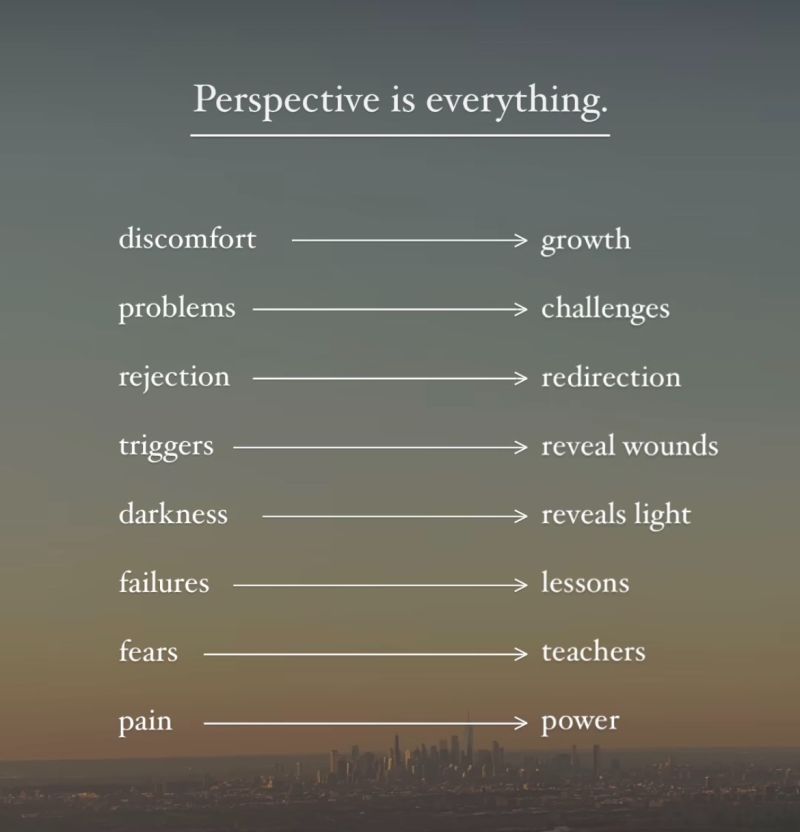
Empathy Is a Superpower
At its core, reading body language is really about empathy: the ability to step into someone else's shoes and feel what they feel. And empathy isn't a talent you're born with. It's a muscle you build.
Jesus was the ultimate example of this. He noticed the woman who touched His cloak in a crowd. He saw Zacchaeus up in that tree. He looked past Peter's bravado and saw his fear. He read the unspoken, and He responded with compassion.
You can do the same.
Every Sunday, people walk through your doors carrying burdens they haven't told anyone about. A marriage on the rocks. A prodigal child. A diagnosis that terrifies them. You may never know their story. But you can make them feel like they matter simply by noticing them.
Your Ministry Starts at the Door
Greeting isn't a small job. It's a frontline ministry. You're often the first face someone sees when they take a brave step toward faith: or back toward it. That's a sacred responsibility.
So sharpen your skills. Pay attention to the unspoken. Respond with wisdom and warmth. And remember: sometimes the most powerful thing you can do is simply be present.
If you want to dive deeper into leadership, empathy, and serving with excellence, visit www.laynemcdonald.com for resources, coaching, and training designed to help you grow as a leader and a servant.
You're doing important work. Keep showing up. Keep paying attention. And keep loving people well: one handshake, one smile, one moment of genuine connection at a time.
Comments