
Health Alert: Nipah Virus Death Reported in Bangladesh
- Dr. Layne McDonald
- Feb 8
- 5 min read

The Facts
The World Health Organization (WHO) confirmed a fatal case of Nipah virus in Bangladesh on February 3, 2026. A patient died shortly after hospitalization in late January following infection with the rare but deadly virus. Health officials immediately initiated contact tracing protocols and quarantined individuals who may have been exposed.
Nipah virus is a zoonotic illness: meaning it jumps from animals to humans: with a fatality rate between 40% and 75% depending on the outbreak. According to WHO data, there is currently no licensed vaccine or specific antiviral treatment available for Nipah virus infection. Medical care is limited to supportive treatment including rest, hydration, and management of complications such as seizures or respiratory distress.
The Bangladesh Institute of Epidemiology, Disease Control and Research (IEDCR) has deployed field surveillance teams to affected areas. International health authorities, including the CDC, are monitoring the situation but have assessed the global risk as low at this time.
How it Happened
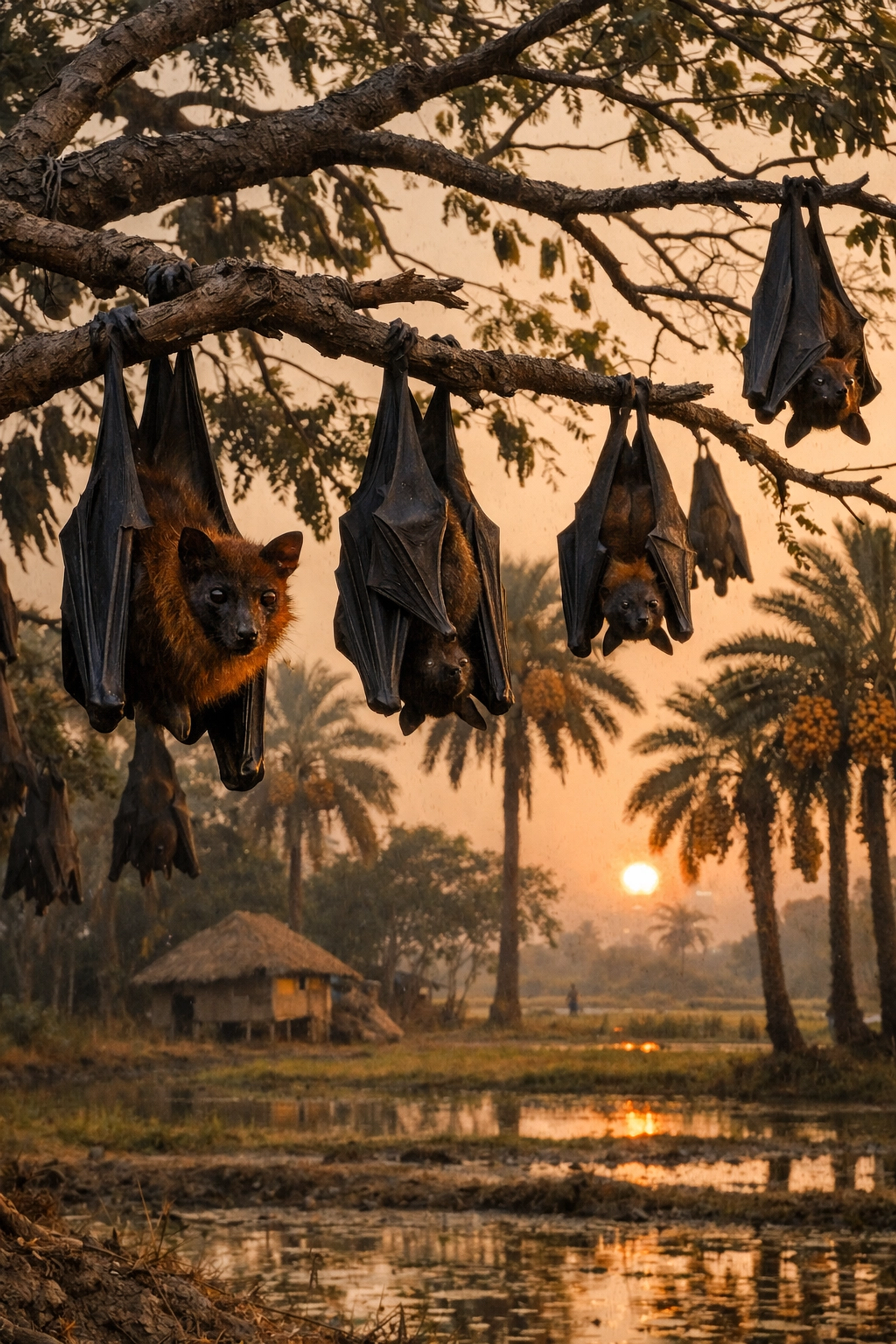
Nipah virus was first identified in 1999 during an outbreak among pig farmers in Malaysia. The virus's natural reservoir is fruit bats, also called flying foxes, which can transmit the pathogen to other animals and humans without becoming sick themselves.
In Bangladesh, most documented cases have occurred through consumption of raw date palm sap contaminated by infected bats, or through direct contact with sick animals. Person-to-person transmission has also been documented in hospital and family settings, making infection control measures critical during outbreaks.
The January 2026 case followed a pattern seen in previous Bangladesh outbreaks. The patient likely contracted the virus through environmental exposure, though health officials are still investigating the precise transmission route. Bangladesh experiences sporadic Nipah cases almost annually, particularly during the winter months when date palm sap harvesting is common and when fruit bats are more active in certain regions.
The WHO noted that early symptoms: including fever, headache, and respiratory issues: can easily be mistaken for other illnesses, which sometimes delays diagnosis and appropriate isolation measures.
Where We Are Now
Bangladesh health authorities have placed known contacts of the deceased patient under medical observation. Field epidemiologists are conducting active surveillance in the affected district to identify any additional cases quickly.
The WHO has activated its regional coordination mechanisms and is providing technical support to Bangladesh's Ministry of Health and Family Welfare. Laboratory capacity has been strengthened to ensure rapid testing of suspected cases.
Importantly, the global health community has assessed this event as a contained local outbreak with minimal international spread risk. No travel restrictions have been recommended for Bangladesh. The country's health infrastructure has gained valuable experience managing Nipah cases over the past two decades, allowing for relatively swift public health responses.
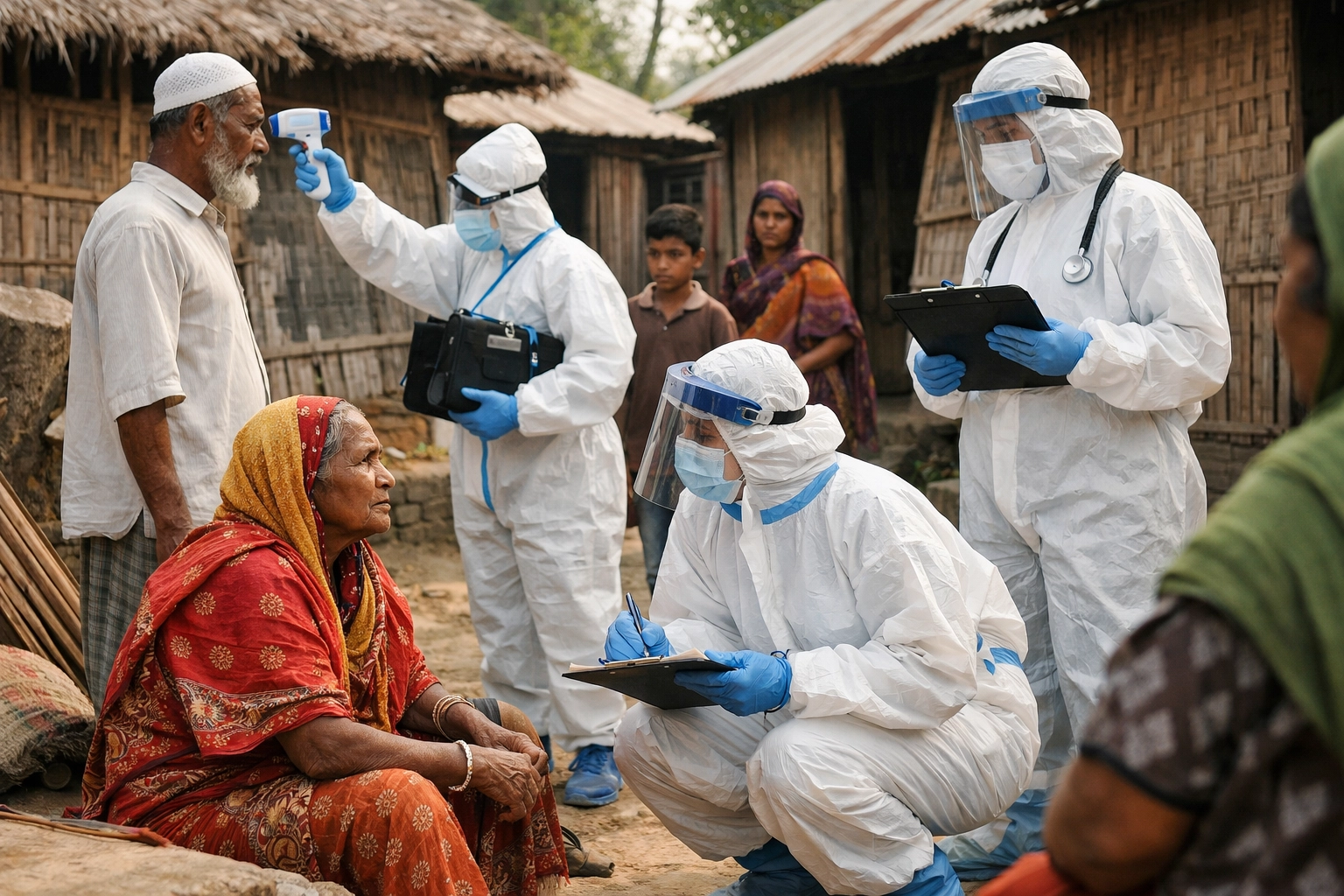
Hospital infection control protocols have been reinforced at facilities in affected areas. Healthcare workers are using enhanced personal protective equipment when treating patients with symptoms consistent with Nipah infection.
The Conversation
Public health advocates and infectious disease experts are calling for increased research funding into Nipah virus countermeasures. Organizations like the Coalition for Epidemic Preparedness Innovations (CEPI) have highlighted Nipah as a priority pathogen requiring vaccine development, given its pandemic potential.
Some virologists argue that climate change and habitat disruption are increasing human-bat contact, raising the likelihood of spillover events. They advocate for a "One Health" approach that addresses environmental, animal, and human health together.
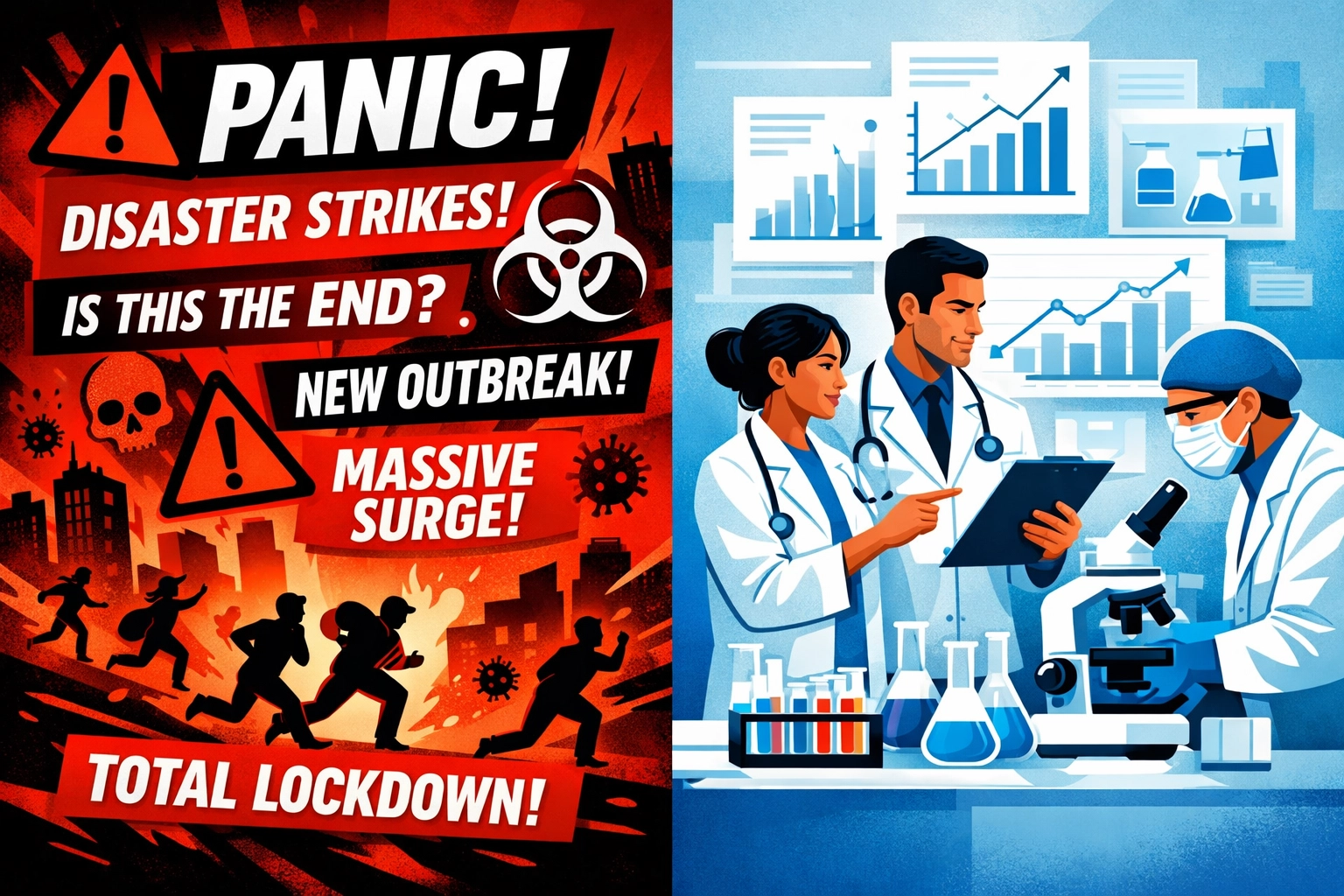
Meanwhile, some media outlets have published alarming headlines comparing Nipah to COVID-19 or suggesting another pandemic is imminent. Critics of this coverage argue that fear-based reporting undermines public trust and distracts from measured, evidence-based responses.
Others point out that Bangladesh has managed repeated Nipah cases without international spread, suggesting that existing surveillance and containment protocols are working. They caution against pandemic panic while supporting continued vigilance and research investment.
The medical community generally agrees on the need for balance: taking Nipah seriously as a genuine public health threat while recognizing that current risk to the global population remains low.
The Biblical Center
I'm Dr. Layne McDonald, and I want to speak directly to the anxiety many of us feel when we hear about a "new virus" or "deadly outbreak."
If you've felt that familiar tightness in your chest reading this news, you're not alone. We're still carrying the collective trauma of COVID-19. Every headline about a virus can trigger memories of lockdowns, losses, and uncertainty.
But here's what I keep coming back to: 2 Timothy 1:7 tells us that "God has not given us a spirit of fear, but of power and of love and of a sound mind."
Notice that Paul doesn't say God gives us denial or ignorance. A sound mind means we can look at facts clearly, assess risk accurately, and respond wisely. We take health threats seriously because we value the life God has given us. We support scientists and healthcare workers doing important work. We pray for Bangladesh and for researchers working on treatments.
But we refuse to let anxiety rule our hearts.
Jesus never promised us a life free from disease or danger. He promised us something better: His presence in the midst of whatever comes. When we read about Nipah or any other health threat, we have a choice. We can spiral into fear, clicking obsessively through worst-case scenarios. Or we can acknowledge the reality, take reasonable precautions, and rest in the truth that our days are in the hands of the Great Physician.
I believe God calls us to a posture of informed peace: neither paralyzed by fear nor careless in our stewardship of health. That's the sound mind He offers us.
Finding Peace
If you're feeling anxious after reading this news, here are practical steps you can take right now:
Take a breath. Literally. Close your eyes and take three slow, deep breaths. Anxiety lives in our bodies, and sometimes we need to physically calm our nervous system before we can think clearly.
Step away from the screen. If you find yourself compulsively refreshing news sites or doom-scrolling through outbreak scenarios, set a timer and take a 30-minute break from all screens. Go outside. Call a friend. Make tea. Let your mind rest.
Spend five minutes in prayer. Tell God exactly how you're feeling: fear, worry, confusion, whatever is there. Ask Him for the peace that passes understanding. Thank Him for being sovereign over every virus, every cell, every breath.
Practice gratitude for the health you have today. Write down three specific things about your physical health you're grateful for right now. This isn't toxic positivity; it's choosing to anchor yourself in present reality rather than future worst-case scenarios.
Look for ways to serve. When we're afraid, we turn inward. When we serve, we turn outward. Is there someone in your life who's sick, lonely, or struggling right now? Can you send a text, drop off a meal, or offer practical help? Serving others reminds us that we have power to bring light even in uncertain times.
Trust the process. Public health officials in Bangladesh are doing their jobs. Scientists are working on treatments. The systems we have: imperfect as they are: are functioning. You don't have to carry the weight of managing global health threats. That burden isn't yours.
If you need deeper support navigating anxiety, leadership challenges, or finding peace in uncertain times, I'd be honored to walk alongside you. Learn more about coaching and mentoring at www.laynemcdonald.com.
Remember: We can care without carrying fear. We can stay informed without staying anxious. And we can trust the One who holds tomorrow while we live faithfully today.
Source: World Health Organization (WHO) Disease Outbreak News (February 3, 2026)
Sonny-Ready Caption Block:
A Nipah virus update from Bangladesh. 🩺 Before the panic sets in, Dr. Layne McDonald provides a calm, biblical breakdown of the facts and why we can trust God even in the face of health concerns. Read more: www.laynemcdonald.com #NipahVirus #HealthAlert #NoFear #TheMcReport
Comments