How to Build Real Community in Your Church Without Adding More Programs
- Dr. Layne McDonald
- Feb 21
- 6 min read

Your church calendar is packed. Midweek services, small group meetings, committee gatherings, volunteer training sessions, youth events, and fellowship dinners fill every available evening. Yet somehow, people still feel disconnected. You know something's missing, but the thought of adding another program to the schedule makes you want to pull your hair out.
Here's the good news: real community doesn't require more programs. It requires a shift in how you use what you already have.
The Program Trap
Most churches fall into the same pattern. Someone notices a gap in connection, so they launch a new initiative. Bible study groups. Coffee meetups. Men's breakfasts. Women's conferences. Each one starts with energy and excitement, but eventually, volunteers burn out and attendance drops. Meanwhile, the handful of faithful members who show up to everything are exhausted.
The issue isn't that programs are bad. The issue is that we've convinced ourselves that community happens inside church walls during scheduled events. But Acts 2:46-47 paints a different picture: "Every day they continued to meet together in the temple courts. They broke bread in their homes and ate together with glad and sincere hearts, praising God and enjoying the favor of all the people."
Notice what's happening here. The early church gathered at the temple, yes, but community flourished in homes, over meals, in everyday life. They didn't need a committee to organize it. They simply lived life together.
Redirect What You Already Have
Take an honest inventory of your church's existing activities. Choir practice. Trustee meetings. Youth group. Sunday school classes. Prayer teams. Now ask yourself: How could these groups serve your community beyond the church building?
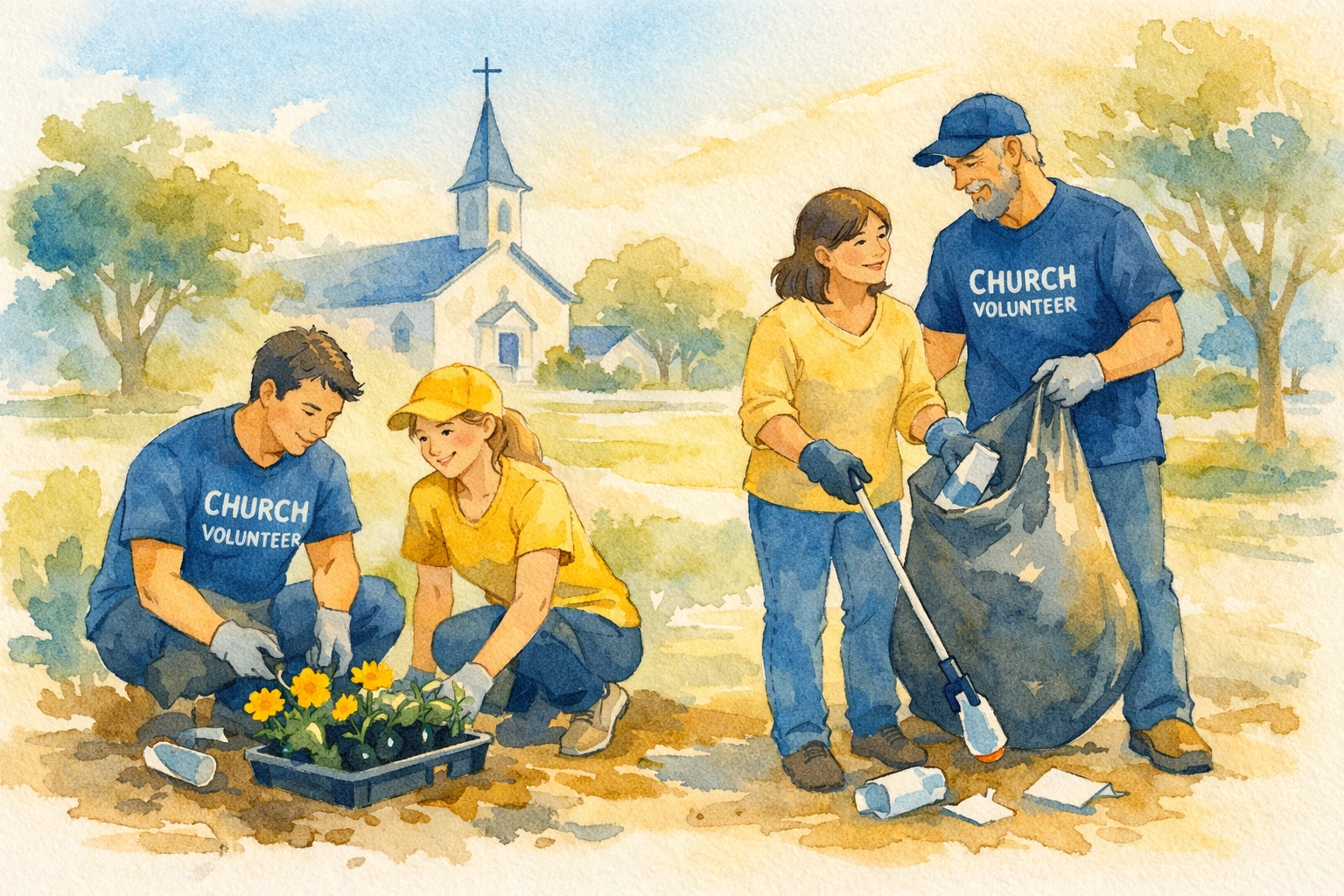
Your choir could visit nursing homes once a month and sing for residents who never receive visitors. Your trustees could organize a quarterly neighborhood cleanup. Your youth group could adopt a local park and maintain it. Your prayer team could walk through nearby streets and pray over homes and businesses.
When you redirect existing groups outward, two things happen. First, your members connect with the broader community and live out the gospel in tangible ways. Second, they bond with each other more deeply because they're working toward a shared mission rather than just sitting in a room together.
This isn't about adding meetings. It's about transforming the ones you already have into opportunities for real service and connection.
Decentralize Your Ministry
Stop fighting to get everyone back to the church building for midweek activities. You're competing with sports schedules, work demands, and family responsibilities. Instead, empower people to gather where they already are.
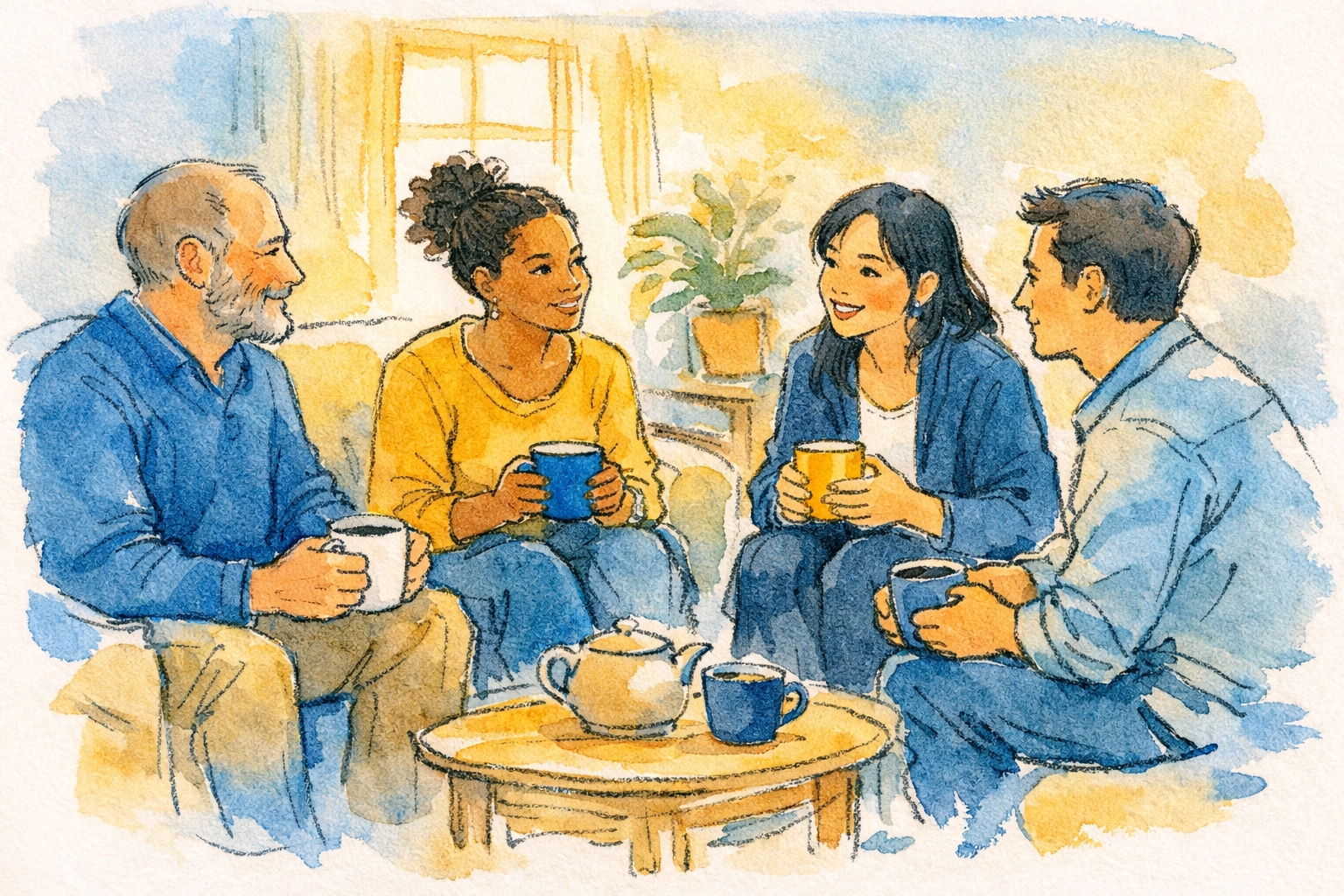
Encourage members to start simple Bible studies in their homes with neighbors. Give them permission to host game nights and invite non-Christian friends. Support small prayer groups that meet over lunch at work or breakfast at a local diner. These informal gatherings create space for authentic relationships to develop without the pressure of a formal church program.

When ministry happens outside the church building, several barriers disappear. People who feel intimidated by organized church events relax in someone's living room. Conversations flow naturally when you're sharing a meal instead of sitting in rows. Non-believers feel more comfortable exploring faith in a casual setting.
Your role as a leader shifts from program director to equipper. You're not responsible for organizing everything. You're training and releasing others to minister in their own circles.
Use What's Already Happening
Look at the relational connection points that already exist in your church. Small groups. Volunteer teams. Social events. These provide natural opportunities for people to know each other beyond Sunday morning handshakes.
But here's the key: don't make these gatherings about teaching content or accomplishing tasks. Make them about people. When your worship team practices, build in fifteen minutes at the beginning for members to share what's happening in their lives. When volunteers serve together, create space for them to pray for each other's needs. When you host a church dinner, seat people strategically so newcomers sit with established members who can genuinely welcome them.
Hebrews 10:24-25 reminds us to "consider how we may spur one another on toward love and good deeds, not giving up meeting together, as some are in the habit of doing, but encouraging one another." Community happens when we intentionally encourage each other, not just when we attend another event.
Involve People in Meaningful Roles
People don't develop a sense of belonging by showing up. They belong when they contribute. When someone feels needed, valued, and purposeful, they invest in the community.
Look for ways to involve people within the structures you already have. Ask new members to join existing ministry teams. Let them share opinions about how things are done. Give them real responsibility, not just busy work.
A single mom might not have time to attend another evening program, but she could coordinate meal deliveries to families in crisis through a simple group text. A retired accountant might not want to serve on the finance committee, but he'd love to teach a few teens basic budgeting skills during an existing youth group meeting.
When you match people's gifts with genuine needs, you create community organically. They connect with others who share their passion, and together they make a difference.
Host Occasional Give-Back Events
You don't need ongoing programs to serve your community. One monthly event can create significant impact without overwhelming your volunteers or calendar.
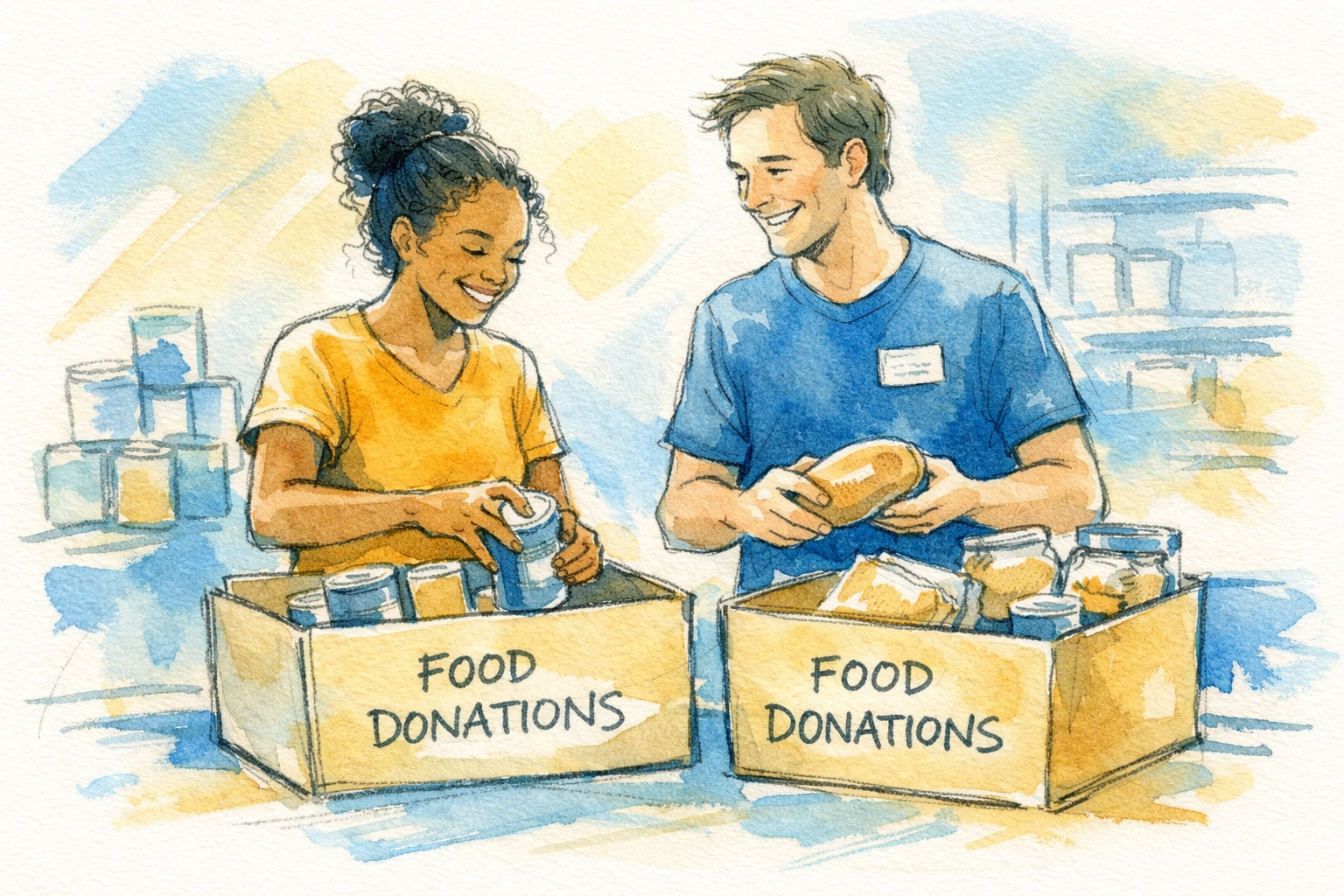
Host a free community dinner. Organize a back-to-school supply drive. Set up a car wash where you actually wash cars for free. Partner with a local food bank and spend a Saturday morning sorting donations. These simple acts of service accomplish two goals: they demonstrate Christ's love to your community, and they unite your church members around a common purpose.
The beauty of occasional events is that they're sustainable. Volunteers can commit to once a month without burning out. Families can participate together. And because these events serve people outside your church, they naturally draw others in and create opportunities for connection.
Breath Section
Pause for a moment. Close your eyes and take three deep breaths. Think about the people in your church who long for deeper connection but feel overwhelmed by the demands of modern life. Picture them in their homes, their workplaces, their neighborhoods. Now imagine what it would look like if authentic community happened right where they are, without requiring them to add another commitment to their schedule.
God isn't calling you to do more. He's inviting you to redirect what you're already doing toward His heart for people.
Reflection Question
What existing group or activity in your church could be redirected outward to serve your community? How would this change not only impact those you serve but also deepen the relationships within that group?
Action Step
This week, choose one existing ministry or group in your church. Sit down with the leaders and ask them this question: "How could we use what we're already doing to serve someone outside these walls?" Then help them take one small step toward making it happen. Don't create a new program. Just redirect what already exists.
Moving Forward Together
Real community doesn't happen because you found the perfect program or hired the right staff member. It happens when you create space for people to know and be known, to serve and be served, to give and receive.
You already have everything you need. You have people who want to connect. You have activities that bring them together. You have a community around you that needs the love of Christ. Now it's about being intentional with what you already have rather than adding more to your plate.
If you're a church leader feeling the weight of building community while managing everything else on your plate, you don't have to figure this out alone. At www.laynemcdonald.com, you'll find practical coaching, biblical resources, and real strategies for leading well without burning out. Plus, every visit helps support families who have lost children through Google AdSense at no cost to you.
Looking for a spiritual home where you can stay grounded and connected? Check out www.boundlessonlinechurch.org, a private online church where you can watch teachings and join family groups: with or without signing up. Stay rooted in faith, no matter where life takes you.
Need prayers? Text us day or night at 1-901-213-7341.
Remember, community isn't built by doing more. It's built by doing what you're already doing with more intention, more heart, and more focus on the people God has placed in your care.
Comments