
How to Practice Christian Forgiveness in 5 Steps (Even When It Feels Impossible)
- Dr. Layne McDonald
- Dec 14, 2025
- 5 min read

Have you ever been hurt so deeply that the thought of forgiving feels like betraying yourself? Maybe someone you trusted broke that trust completely. Perhaps a family member said words that still echo in your mind years later. Or maybe you're carrying the weight of betrayal from a friend who turned their back when you needed them most.
Forgiveness isn't just a nice Christian concept we talk about on Sundays: it's one of the most challenging commands Jesus gave us. Yet it's also one of the most freeing gifts we can give ourselves. The truth is, Christian forgiveness goes far beyond simply saying "I forgive you." It's a transformative practice that requires intentional steps, divine grace, and sometimes a lot of time.
What Christian Forgiveness Really Means
Before diving into the practical steps, we need to clear up some major misconceptions. Forgiveness doesn't mean you're approving what happened to you or pretending it wasn't that bad. It's not about forgetting the incident or automatically trusting that person again. And here's the big one: forgiveness doesn't require you to reconcile with someone who continues to harm you.
Christian forgiveness is actually about releasing your right to revenge and surrendering your hurt to God. It's choosing to let go of the resentment that's eating you alive from the inside out. Most importantly, forgiveness is not a feeling: it's a decision you make by faith, trusting God to handle the rest.
Think of it this way: when you refuse to forgive, you're essentially drinking poison and hoping the other person gets sick. Forgiveness breaks that cycle and sets you free to heal.
Step 1: Be Brutally Honest with God
The journey toward forgiveness starts with radical honesty. God already knows how deeply you've been hurt, how angry you are, and how much you want that person to pay for what they did. He's not shocked by your emotions: He created them.
Take time to pour out your heart to God. Tell Him exactly how you feel, even if it's messy, angry, or doesn't sound very "Christian." David did this constantly in the Psalms, and God called him a man after His own heart. Your honesty doesn't disqualify you from the forgiveness process: it's actually the necessary first step.
Pray something like: "God, I'm so hurt and angry about what happened. I don't want to forgive them right now, but I know You're asking me to. Help me through this process because I can't do it on my own."
Step 2: Choose to Forgive by Faith, Not Feelings
Here's where many people get stuck: they wait to "feel" forgiving before they actually forgive. But emotions are followers, not leaders. You make the decision first, and your feelings will eventually catch up.
This step requires a quality decision: a firm choice to release the debt owed to you and surrender the situation to God. You might pray: "God, I choose to forgive [person's name] for [specific action]. I release them from the debt they owe me and give this situation to You."
Don't be surprised if you don't feel different immediately. Forgiveness is often a process, not a one-time event. You may need to make this same choice multiple times as memories resurface or new hurt emerges.

Step 3: Pray for the Person Who Hurt You
This step might make you want to close this blog post immediately. Pray for someone who wounded you? That sounds impossible and maybe even wrong.
But here's the thing: prayer is a powerful tool that breaks the stronghold of bitterness in your heart. When you intercede for someone, you're positioning yourself in God's heart toward them. This doesn't happen overnight, and it might feel forced at first: that's okay.
Start small. Pray for their relationship with God, their healing from whatever brokenness caused them to hurt you, or simply ask God to bless them in some way. As you consistently do this, you'll notice your heart beginning to soften. The anger will slowly lose its grip on you.
Step 4: Establish Healthy Boundaries
One of the biggest misconceptions about forgiveness is that it means returning to business as usual with the person who hurt you. That's absolutely not true, and it's actually unwise in many situations.
Forgiveness and reconciliation are two completely different things. You can forgive someone while still protecting yourself from future harm. This might mean:
Limiting contact with someone who continues harmful patterns
Having difficult conversations about changed expectations
Seeking counseling or mediation before attempting to rebuild trust
In severe cases, maintaining no contact for your safety and wellbeing
Remember, Jesus forgave everyone, but He didn't trust everyone with the same level of access to His life. Wisdom and forgiveness work together, not against each other.
Step 5: Embrace the Healing Journey
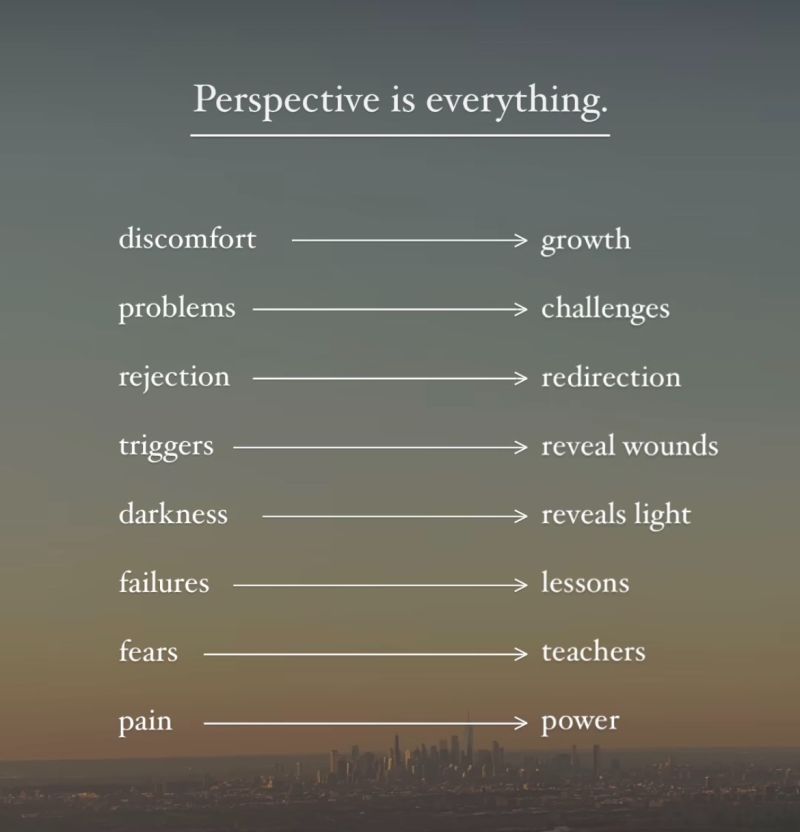
Forgiveness isn't a destination: it's a journey. Some days you'll feel free and peaceful about the situation. Other days, the hurt might feel as fresh as when it first happened. This is completely normal and doesn't mean you're doing forgiveness wrong.
Give yourself grace and time to process your pain God's way. When your mind brings up the offense you've already chosen to forgive, resist the temptation to "unforgive" by dwelling on it. Instead, redirect your thoughts to God's faithfulness and the freedom He's working in your life.
Consider journaling about your healing process, joining a support group, or working with a Christian counselor. Healing happens in community, not isolation.
When Forgiveness Feels Completely Impossible
Sometimes the hurt runs so deep that forgiveness feels not just difficult, but impossible. Maybe the betrayal shattered your sense of safety. Perhaps the person continues to hurt you or shows no remorse. In these moments, remember that God's grace is sufficient for what feels insufficient in you.
Start by reflecting on God's forgiveness toward you. Not to minimize your pain, but to tap into the same source of grace that covers your own shortcomings. The cross demonstrates that no offense is beyond God's ability to forgive and heal.
Stay focused on God throughout the process rather than on your hurt or the offender. Immerse yourself in Christian community, worship, and Scripture. You weren't meant to walk this journey alone: lean on your faith family and God's endless grace.

Your Next Steps Toward Freedom
Forgiveness is one of the most powerful tools God has given us for experiencing true freedom and healing. It doesn't minimize what happened to you or let the offender off the hook: it releases you from the prison of bitterness and opens your heart to receive God's restoration.
Remember, this process takes time, grace, and often professional support. If you're struggling to work through deep hurt or trauma, don't try to do it alone.
Ready to take the next step in your healing journey? I'd love to support you through personalized coaching and counseling services designed specifically for Christians working through difficult life situations. Visit our website to learn more about how we can walk alongside you as you discover the freedom that comes through biblical forgiveness and healing. Your breakthrough is closer than you think.
Comments