
How to Pray With Kids Who Are Struggling
- Dr. Layne McDonald
- Jan 20
- 5 min read

When your child comes home from school with tears streaming down their face, or when bedtime becomes a battlefield of anxious thoughts and fears, prayer can feel like the most important thing, and sometimes the most difficult thing, to navigate together.
As parents, we want to teach our children to turn to God in their struggles, but we often wonder: How do we pray with kids who are hurting without sounding preachy? How do we make prayer feel accessible when they're overwhelmed? How do we model authentic faith when we're struggling too?
The beautiful truth is that God meets us exactly where we are, messy emotions, difficult questions, and all. Teaching our children to pray through their struggles isn't about having perfect words or perfect faith. It's about creating space for honest conversation with their heavenly Father.
Start With Immediate, Authentic Prayer
One of the most powerful shifts we can make as parents is turning prayer from a scheduled activity into an immediate response to life's challenges. Instead of saying "We'll pray about that later," try modeling spontaneous prayer right in the moment.
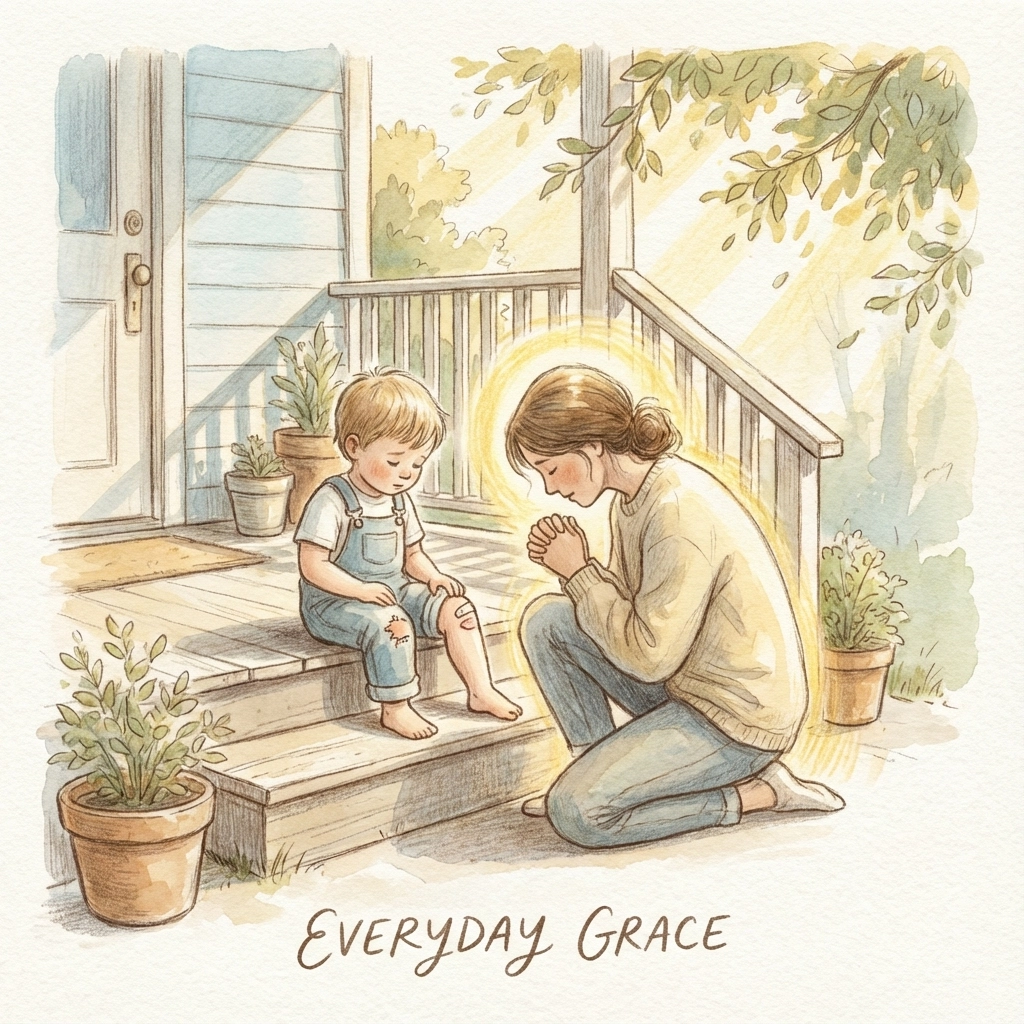
When your child scrapes their knee, rather than just getting the bandages, pause and say, "Jesus, please help this hurt feel better and heal quickly." When they're frustrated with homework, pray together: "God, this is really hard right now. Please give us wisdom and help us not give up."
This approach teaches children that God isn't just available during designated prayer times: He's present in every difficult moment, ready to listen and help. Scripture reminds us in Philippians 4:6-7 that we can bring our anxieties to God through prayer, and His peace will guard our hearts and minds.
Create Space for "It's Not Fair" Conversations
Children experiencing struggle often feel that life isn't fair: and honestly, sometimes they're right. Rather than dismissing these feelings, we can create structured opportunities for kids to express their honest emotions to God.
Try introducing "It's Not Fair" prayer letters. Give your child paper and encourage them to write a letter to God about whatever feels unfair in their life right now. This might include:
Personal struggles they're facing
Situations at school or with friends
Family challenges or changes
Things they see happening in the world
The goal isn't to have them write perfectly polished prayers, but to pour out their authentic feelings and specifically ask God for help. This approach validates their emotions while directing them toward their heavenly Father who cares about every concern.
David modeled this beautifully in the Psalms, crying out honestly to God about his troubles while ultimately finding hope in God's faithfulness.
Make Prayer Conversational and Interactive
Many struggling children find traditional prayer formats intimidating or disconnected from their experience. Conversational prayer can bridge this gap beautifully.
Try fill-in-the-blank prayers where you take turns completing sentences like:
"God, I'm grateful for ____________"
"Something that's hard for me right now is ____________"
"I need Your help with ____________"
"God, I know You are ____________"
This format gives children structure while allowing them to express their unique thoughts and needs. It also demonstrates that prayer is meant to be a dialogue, not a monologue, and that every voice matters to God.
You can also encourage children to pray as if they're talking to their best friend: because that's exactly what they're doing. God wants to hear their authentic voice, not a performance.
Honor Different Learning Styles in Prayer
Not every child connects with God in the same way, and struggling children especially may need alternative approaches to traditional verbal prayer.
For kinesthetic learners who need to move their bodies, try:
Prayer walks around the neighborhood or backyard
Simple yoga poses while talking to God
Using hand motions or gestures during prayer
Dancing or movement as a form of worship and communication with God
For visual learners who process through seeing and creating, consider:
Prayer webs where children draw or write about who God is and what they need
Art prayers using colors, shapes, or drawings to express feelings
Prayer journals with both words and pictures
Quiet music playing while they create visual prayers
For children who struggle with many words, breath prayers can be incredibly powerful:
"When I am afraid / I will trust You" (based on Psalm 56:3)
"Jesus, I need You / Jesus, help me"
"God is good / God loves me"
These approaches help children who are struggling to find ways to connect with God that feel natural and accessible to them.

Practice Prayer Throughout the Day
Instead of limiting prayer to bedtime or mealtimes, weave it throughout your daily routine. This helps children develop the habit of turning to God immediately when struggles arise, rather than letting anxiety or frustration build up.
Pray together:
In the car on the way to school when nerves are high
Before difficult conversations or appointments
When good things happen, expressing gratitude
During transitions that feel overwhelming
When witnessing others' struggles or pain
This frequent practice helps prayer become a natural reflex rather than something reserved for emergencies. Children learn that God is interested in every part of their lives: the ordinary moments and the difficult ones.
Model Honest Prayer Yourself
Perhaps the most important thing we can do is let our children hear us pray authentically about our own struggles. When appropriate, let them hear you pray:
"God, I'm feeling overwhelmed today and I need Your wisdom"
"Jesus, I don't understand why this is happening, but I trust You"
"Lord, help me be patient when I'm feeling frustrated"
This modeling shows children that faith doesn't mean pretending everything is fine. It means bringing our real selves: struggles included: to a God who loves us unconditionally.
Address Common Concerns
"What if God doesn't answer?" Help children understand that God always hears and responds, but sometimes His answers look different than what we expect. Sometimes He changes our circumstances, sometimes He changes our hearts, and sometimes He gives us strength to endure difficult seasons.
"What if I'm angry at God?" Reassure children that God can handle their anger and questions. Point to biblical examples like Job, David, and even Jesus in the garden of Gethsemane who expressed difficult emotions honestly to God.
"What if I don't feel anything when I pray?" Explain that prayer isn't dependent on feelings. Sometimes we pray by faith even when we don't feel God's presence strongly, and that's perfectly normal and acceptable.
Creating Long-term Habits
The goal is helping children develop a relationship with God that will sustain them through future struggles. This means celebrating small steps, being patient with the process, and remembering that spiritual growth happens over time.
Consider keeping a family prayer journal where you record prayer requests and celebrate answers: both the obvious ones and the subtle ways God works in your lives.
Remember that children are watching how we handle our own struggles and relationship with God. Our authentic faith: questions, doubts, and trust included: gives them permission to bring their whole selves to their heavenly Father.
Prayer with struggling children isn't about having all the right words or perfect theology. It's about creating safe space for honest conversation with the God who loves them more than we can imagine and who promises to be close to the brokenhearted.
If you're looking for more resources and support as you navigate parenting and faith with your family, visit www.laynemcdonald.com for coaching, workshops, and additional tools designed to help families thrive in their relationship with God and each other.
Comments