
Is This Song Safe? 7 Rapid-Fire Tests Every Christian Parent and Teen Should Use Before Hitting Play
- Dr. Layne McDonald
- Jan 22
- 5 min read

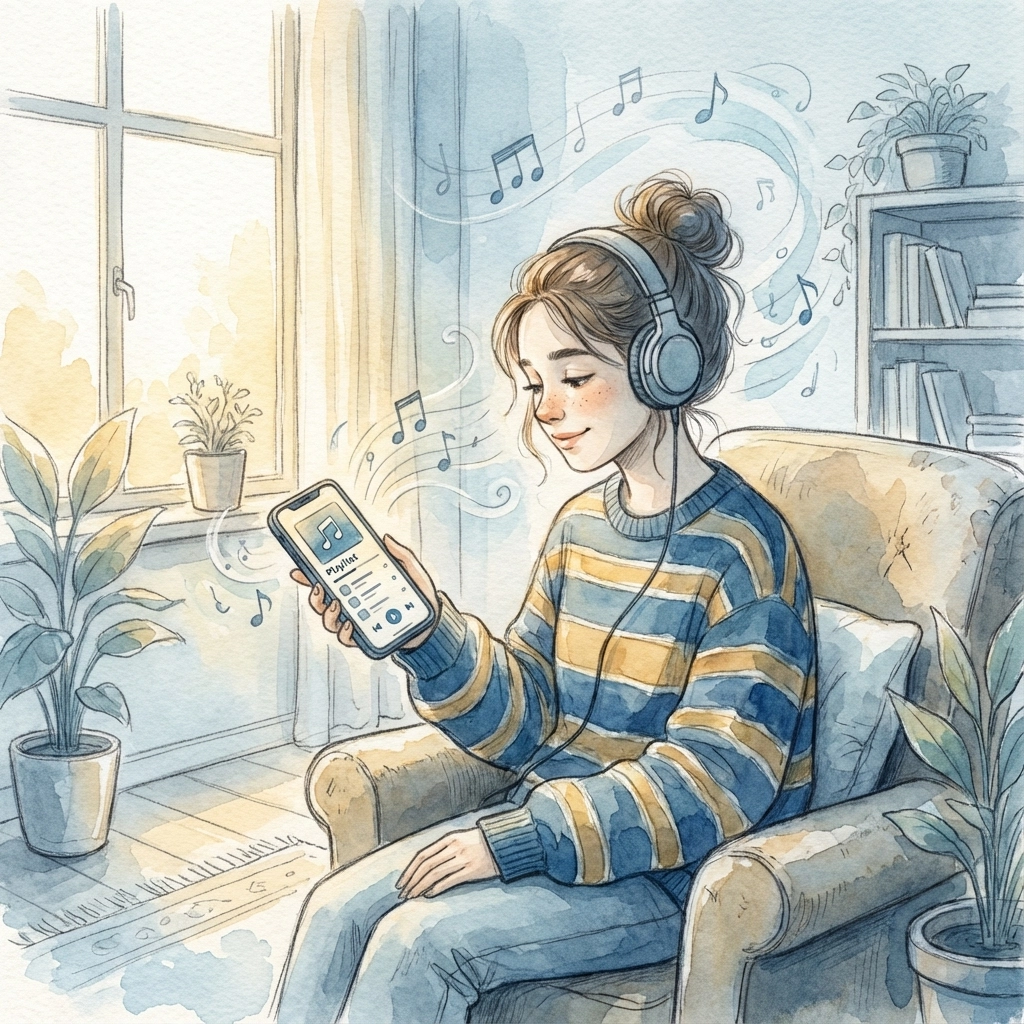
Your teenager just added another song to their playlist. The bass drops, the melody hooks you, and suddenly you're wondering: "Should I be concerned about this?"
Music shapes hearts, minds, and souls more than we realize. Every beat, every lyric, every message flowing through those earbuds is forming your family's worldview. As Christian parents and teens navigating today's music landscape, we need practical tools to discern what builds faith versus what tears it down.
Dr. Layne McDonald has coached countless families through these exact challenges. Through years of mentoring parents and teens, he's developed these seven rapid-fire tests that take less than 60 seconds to evaluate any song. These aren't legalistic rules: they're wisdom-based filters that protect your heart while keeping your faith fierce.
The Heart Check: Why Music Matters
Scripture reminds us to "guard your heart, for everything you do flows from it" (Proverbs 4:23). Music bypasses our logical defenses and speaks directly to our emotions and spirit. That's why David used music to drive out evil spirits, and why worship songs can transform our entire day.
The challenge? Today's music industry isn't exactly prioritizing biblical values. Between explicit content, dark themes, and subtle worldview shifts, families need discernment tools that work fast and work well.
Test #1: The God Test
Ask: "Who is being glorified?"
Listen for 30 seconds and identify who the song elevates. Is it God's character, human achievement, money, power, or relationships? Songs that pass this test clearly point toward God's attributes: His love, mercy, power, or faithfulness.
Red flags: Songs that glorify self-destructive behavior, materialism, or anything that contradicts biblical values.
Green lights: Music that celebrates God's goodness, expresses gratitude, or encourages godly living.
Test #2: The Language Test
Ask: "Would I be comfortable if Jesus walked into the room right now?"
This isn't about being religious: it's about honoring Christ in everything. Check for profanity, crude humor, or language that disrespects God, family, or others.
Pro tip: If you wouldn't want your pastor's kids hearing it, your kids probably shouldn't either.
Test #3: The Message Test
Ask: "What story is this song telling about life?"
Every song tells a story about how the world works. Does this story align with biblical truth? Songs that promote hopelessness, revenge, unhealthy relationships, or dangerous behaviors fail this test.
Look for: Stories that encourage perseverance, love, forgiveness, hope, and godly relationships.
Test #4: The Heart Response Test
Ask: "How do I feel after listening?"
Pay attention to your emotional and spiritual response. Does the song leave you feeling inspired, peaceful, and closer to God? Or does it stir up anger, lust, despair, or rebellion?
Trust your spirit: If something feels off, it probably is. The Holy Spirit is an excellent music critic.

Test #5: The Influence Test
Ask: "What behavior does this encourage?"
Music is incredibly influential, especially for teens. Does this song promote choices you want your family making? Consider the artist's lifestyle and the behaviors the lyrics celebrate.
Remember: You're not just listening to music: you're inviting influences into your home and heart.
Test #6: The Gospel Test
Ask: "Does this point toward or away from the Gospel?"
This doesn't mean every song needs to be explicitly Christian, but it should align with gospel values. Does the song promote truth, beauty, goodness, love, and redemption? Or does it mock faith, promote destructive lifestyles, or encourage rebellion against godly authority?
Bonus points: Songs that actually strengthen your faith or remind you of God's goodness.
Test #7: The Community Test
Ask: "Would this build up our Christian community if we listened together?"
Consider whether this music would strengthen or divide your family and church community. Some music creates unity and encouragement, while other songs introduce division or inappropriate content.
Think practically: Would you play this during family dinner? At youth group? The answer reveals a lot.
Making It Practical: Real-World Application
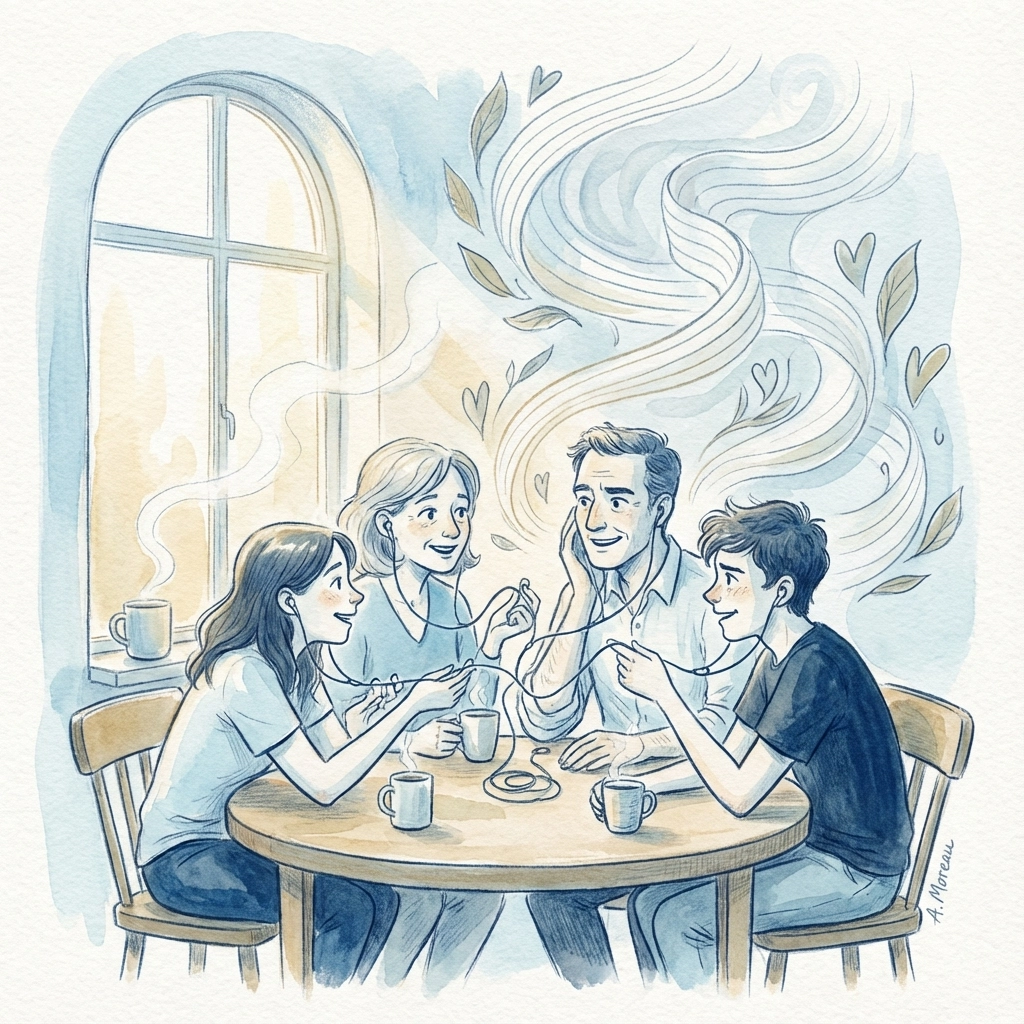
These tests work best when your whole family uses them together. Don't just police your teen's music: model good discernment with your own playlist.
For Parents:
Use car rides as opportunities to discuss music choices
Create family playlists that everyone contributes to
Share why certain songs encourage your faith
Be honest about your own music standards
For Teens:
Practice these tests with friends who share your values
Don't be afraid to skip songs that fail multiple tests
Discover Christian artists who create music you actually enjoy
Remember that your music choices reflect and shape your character
The Mental Health Connection
Music profoundly impacts mental health. Songs filled with hopelessness, anger, or destructive themes can worsen depression and anxiety. Conversely, music that promotes hope, gratitude, and biblical truth can improve mental wellness.
Watch for: Songs that glorify self-harm, suicide, or substance abuse. These require immediate conversation and possibly professional guidance.
Seek out: Music that builds resilience, promotes healthy coping, and points toward hope in Christ.
Cultural Engagement Without Compromise
You don't have to live in a Christian music bubble. Many secular artists create music that passes these tests. The goal isn't isolation: it's discernment.
Key principle: Engage culture through the lens of biblical wisdom rather than adopting culture's values wholesale.
Some mainstream songs celebrate love, family, perseverance, and other biblical values without being explicitly Christian. These can be wonderful additions to your playlist.
When Songs Fail the Test
Not every song needs to be thrown out immediately. Use failures as teaching moments:
Discuss why certain content concerns you
Explore better alternatives together
Help teens develop their own discernment skills
Model grace while maintaining standards
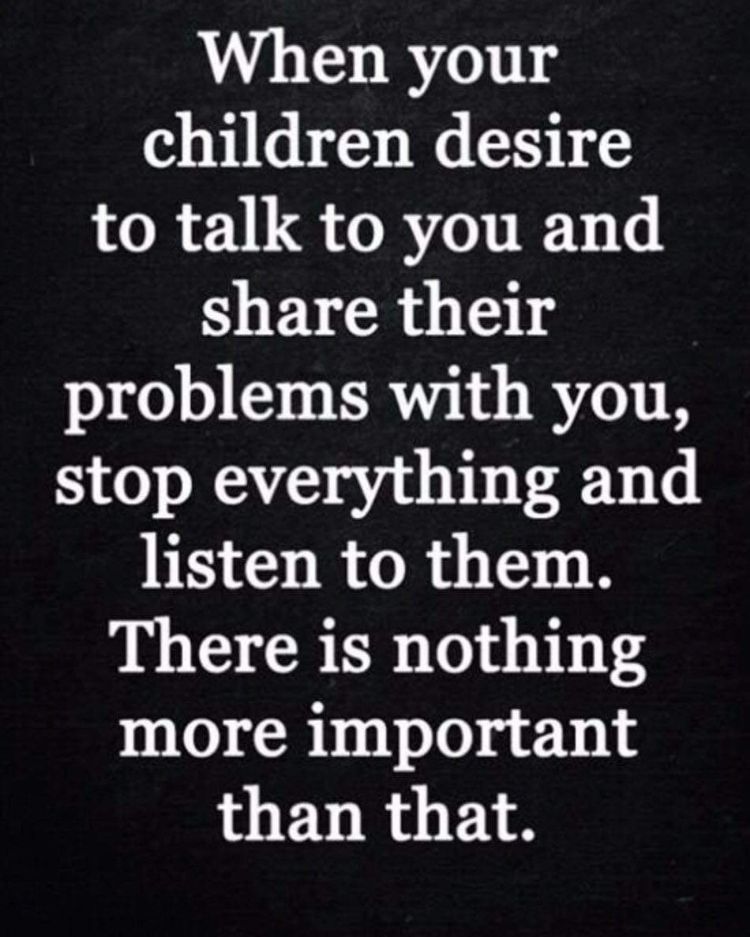
Remember, the goal is raising teens who can make wise choices independently, not controlling every decision they make forever.
Building Your Family's Music Culture
These seven tests help create a family culture where music enhances rather than undermines your faith. Start by having honest conversations about why music matters and how these guidelines protect rather than restrict.
Create positive habits:
Family music discovery times
Sharing songs that encourage your faith
Attending concerts that align with your values
Supporting Christian artists who create excellent music
Your Next Step
Music will continue flowing through your family's life. The question is whether you'll approach it with intentional discernment or passive acceptance.
Dr. Layne McDonald's coaching helps families navigate these cultural challenges while building stronger faith and relationships. Through practical mentoring and biblical wisdom, families learn to engage culture without compromising their values.
Ready to strengthen your family's discernment and build a thriving Christian home? Discover how Dr. McDonald's coaching and resources can help your family flourish in faith while engaging today's world wisely.
Your music choices matter more than you think. Start using these seven tests today, and watch how intentional listening transforms your family's spiritual atmosphere. Your heart, your family, and your community will thank you.
Comments