[Leadership]: The Architecture of Leadership – Shifting Your Church From Programs to People
- Dr. Layne McDonald
- Feb 8
- 4 min read

I've sat through enough church leadership meetings to notice a pattern: we spend more time talking about programs than we do about people.
It's not malicious. It happens slowly. You start with a heart to serve, launch a new ministry, build momentum, create systems to sustain it: and before you know it, the program becomes the point. People become volunteers who fill slots. Growth becomes metrics on a spreadsheet.
If your church staff meetings sound more like project management reviews than pastoral care conversations, you're not alone. And you're not stuck there.
The Problem: When Programs Become the Priority
Here's what program-centric leadership looks like in real time:
You need three more volunteers for the kids' ministry, so you make announcements instead of discipling leaders.
You measure success by attendance numbers, not life transformation.
Your calendar is packed with events, but your people are exhausted and disconnected.
Staff meetings focus on logistics: who's setting up chairs, what's the budget for the fall festival: while spiritual health gets a two-minute prayer at the end.
Programs aren't evil. They're tools. But when the tool becomes the mission, you've lost the plot.
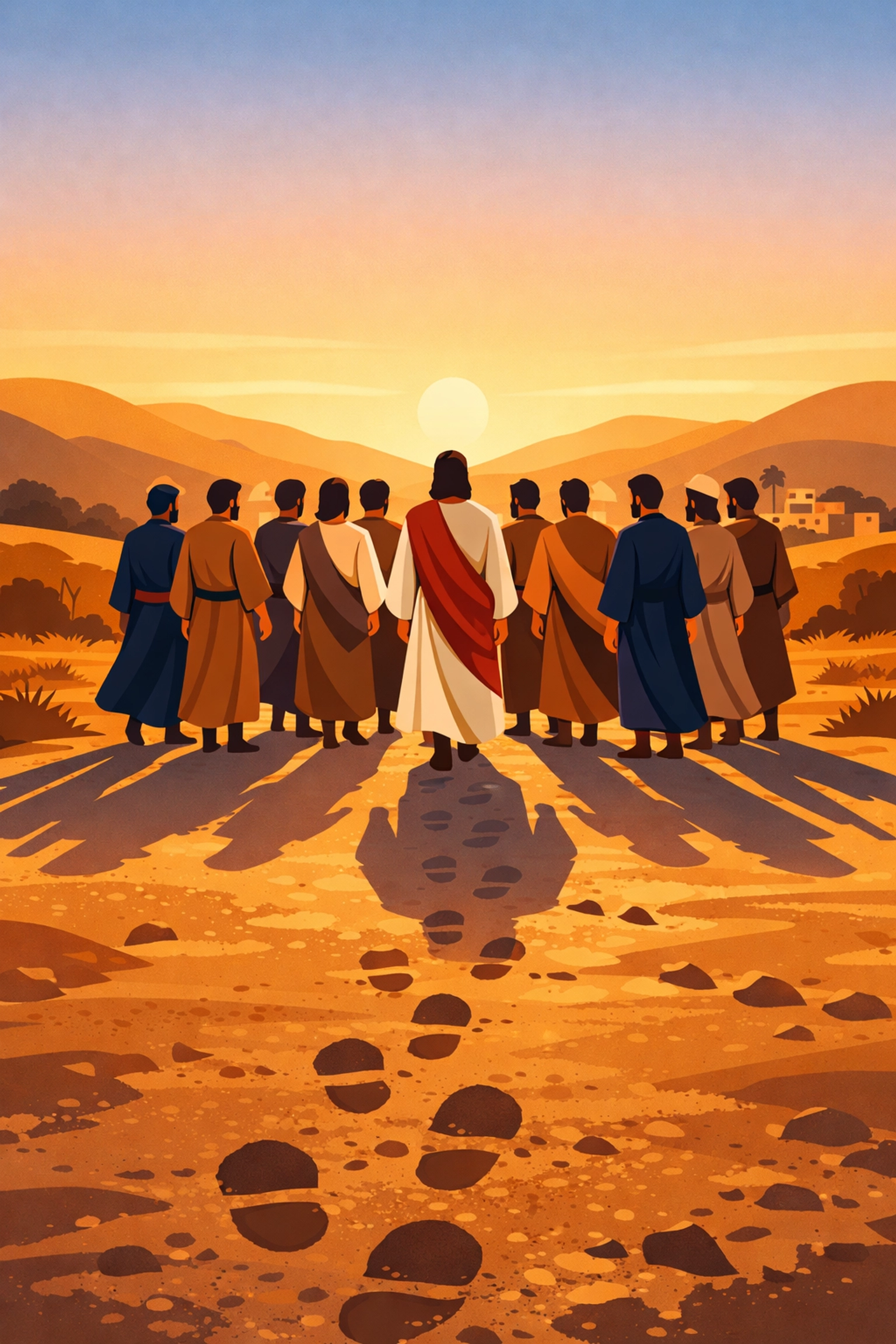
Jesus didn't build a program. He invested in twelve people. He ate with them, walked with them, corrected them, loved them. That's the architecture we're supposed to follow.

The Shift: From Managing Programs to Developing People
Making this shift doesn't mean you cancel every event or eliminate structure. It means you reorder your priorities so that people: not initiatives: are at the center of your leadership strategy.
1. Measure What Matters
Stop counting butts in seats and start tracking spiritual growth. Ask better questions:
Are people growing in their faith, or just showing up?
Are they serving out of obligation or genuine calling?
Do they know their gifts, or are they just filling gaps?
Shift your metrics from attendance and budget to discipleship and community health. If someone misses three weeks, don't just mark them absent: reach out and ask how they're doing.
2. Invest in Leaders, Not Volunteers
Volunteers fill a need. Leaders multiply impact.
If your leadership development strategy is "recruit more people to run more stuff," you're building on sand. Instead, identify people with potential, invest in them personally, and give them real responsibility with real support.
Disciple a few well rather than managing many poorly. When you build leaders, they build others. That's how movements grow.

3. Create Margin for Relationships
If your church calendar is so full that your staff doesn't have time to grab coffee with people outside of meetings, you're too busy.
Slash unnecessary programs. Consolidate events. Build margin into your schedule so that spontaneous pastoral care isn't an interruption: it's the plan.
People don't need another potluck. They need someone who knows their name, remembers their story, and checks in when life gets hard.
4. Teach Your Congregation to Think Differently
If you shift from programs to people but your congregation still expects a full lineup of events, you'll face resistance.
Cast vision often. Explain why you're slowing down. Help people see that discipleship isn't a six-week class: it's a lifestyle. Model it from the pulpit, in small groups, and in one-on-one conversations.
When people see leaders prioritizing depth over activity, they'll start to crave it too.
What This Looks Like in Practice
Let's get practical. Here's what a people-centered leadership rhythm might look like:
Staff Meetings: Start with a full hour of prayer and personal check-ins before touching logistics. Ask each team member: What's God teaching you? Where are you struggling? Who are you investing in?
Sunday Mornings: Instead of rushing from service to service, hang around. Be present. Learn names. Ask follow-up questions. Make yourself available.
Ministry Planning: Before launching a new program, ask: Does this serve people, or does it just keep us busy? Will this create community or competition for time?
Leadership Development: Meet with emerging leaders regularly. Read books together. Have hard conversations. Give them opportunities to fail safely and learn from it.

The Resistance You'll Face
Let's be honest: this shift will cost you something.
Some people will complain when you cancel their favorite event. Donors might ask why you're not doing more. Staff who thrive on activity will feel uncomfortable with slowness.
But here's the truth: if your leadership burns out trying to sustain programs that don't produce disciples, you'll eventually have nothing left to give.
People-centered leadership is slower. It's harder to quantify. It doesn't produce impressive annual reports. But it builds something that lasts.
The Long Game
Jesus spent three years with twelve guys. He could've launched a massive movement with rallies and tours and celebrity endorsements. Instead, He walked dusty roads, ate meals, told stories, and poured into a handful of broken people.
That's the model. That's the architecture.
You don't need more programs. You need more presence. More patience. More personal investment.
The shift from programs to people isn't a strategy: it's a return to the heart of the Gospel.
Takeaway / Next Step
If you're leading a church or ministry and you feel the weight of maintaining too much, start here:
This week: Audit your calendar. What can you cut? What's running on autopilot that doesn't actually serve people anymore?
This month: Identify three emerging leaders and invite them into a discipleship relationship. Meet regularly. Invest personally.
This year: Rewrite your ministry philosophy. Put people at the center. Teach your staff and congregation what it means to prioritize discipleship over activity.
The architecture of leadership isn't built on programs. It's built on people who follow Jesus and help others do the same. When you get that right, everything else falls into place.
If this helped shift your perspective, share it with a pastor or church leader who needs to hear it. And if you're navigating leadership challenges or church culture repair, reach out to me on the site: I'd love to hear your story and point you toward resources that can help.
Check out more practical leadership content at https://www.laynemcdonald.com, and if you're looking for solid Christian teaching and community, explore https://boundlessonlinechurch.org. Browsing the site helps raise funds for families who've lost children through Google AdSense at no cost to you. Boundless can be accessed privately or with a free sign-up, and it's a space built for real discipleship and growth.
Comments