
Letting Go: Why Bringing Personal Pain to the Office Hurts Team Culture
- Dr. Layne McDonald
- Oct 25, 2025
- 6 min read

We've all been there. You walk into the office carrying the weight of last night's argument, yesterday's rejection, or years of unresolved hurt. Maybe it's imposter syndrome whispering lies about your worth, or the sting of being passed over for that promotion. Whatever it is, that pain doesn't magically disappear when you swipe your badge or log into your computer.
Here's the uncomfortable truth: when we bring our unprocessed pain to work, it doesn't just affect us. It ripples through our teams, our culture, and our organizations like a stone thrown into still water. And too often, we're so focused on protecting ourselves that we don't even realize the damage we're causing.
The Hidden Cost of Emotional Baggage
When employees carry unresolved personal pain into the workplace, studies show that 47% admit their personal problems sometimes affect their work performance. But here's what's really sobering – that impact doesn't stay contained to just one person. Your teammates start picking up the slack, covering for your distraction, your defensiveness, your withdrawal.
Think about it. When someone on your team is operating from a place of hurt, they're not bringing their best self to meetings. They're guarded in conversations. They take feedback personally. They assume the worst intentions from colleagues. Before long, what started as one person's struggle becomes the whole team's burden.

I've seen this play out countless times in organizations I've worked with. The marketing manager who can't collaborate effectively because she's still nursing wounds from being overlooked for a leadership role. The sales director who micromanages his team because past betrayals have taught him not to trust. The executive assistant who gossips and creates drama because she feels invisible and undervalued.
Trust Erosion and the Imposter Syndrome Trap
Here's where it gets really messy. When we're operating from unhealed places, we become masters of self-protection. We put up walls. We play politics. We create narratives about others' motives that usually say more about our own fears than reality.
Imposter syndrome is particularly toxic in this regard. When you secretly believe you don't belong, don't deserve your position, or aren't as capable as everyone thinks, you start making decisions from fear rather than wisdom. You hoard information. You take credit where it isn't due. You throw others under the bus to preserve your own image.
And here's the kicker – everyone else can sense it. They might not be able to name it, but they feel the inauthenticity. Trust begins to erode, not just in you, but in the team dynamic as a whole.

Self-Preservation: The Cancer That Spreads
You mentioned something profound in your request – this issue of self-preservation from trying to keep your job and maintain your position. It flows from the top down and bottom up, and it's all connected. This is so true it hurts.
When leaders operate from a place of unhealed pain, they create cultures of fear. They hoard power because they're afraid of losing it. They make decisions based on protecting their image rather than what's best for the organization. They assume the worst about their teams because that's what their own wounded hearts expect from others.
But it doesn't just flow downward. Employees who are hurting also contribute to toxic dynamics. They form cliques. They resist change. They sabotage initiatives they feel threatened by. They spread negativity and pessimism because misery truly does love company.
The result? Organizations where everyone is walking on eggshells, where innovation dies because it's too risky, where good people leave because they can't breathe in the suffocating atmosphere of unaddressed pain and fear.
Communication: The First Casualty
Bad communication isn't usually about poor systems or inadequate training. It's about wounded people trying to protect themselves while still attempting to function in relationship with others. And it's messy.
When we're carrying pain, we communicate defensively. We hear criticism where none was intended. We interpret neutral comments through the lens of our own insecurities. We withhold information because we're afraid it might be used against us later.
I've watched teams spend hours in meetings talking around issues instead of addressing them directly, all because everyone's too afraid of triggering someone else's pain or exposing their own vulnerabilities. The result is confusion, missed deadlines, duplicated efforts, and a general sense that nothing ever gets resolved.
The Deeper Heart Issue
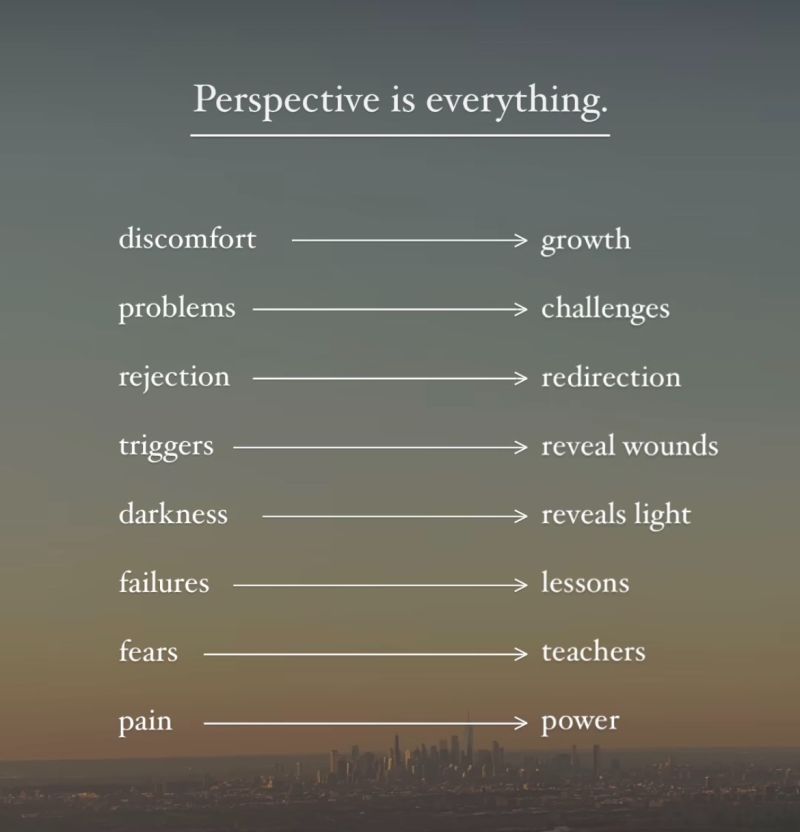
As Christians, we understand something the secular business world often misses: hurt people hurt people. And healed people heal people. The pain we carry isn't just a personal problem – it's a spiritual one that affects everyone around us.
Jesus knew this when He said, "Come to me, all you who are weary and burdened, and I will give you rest" (Matthew 11:28). He wasn't just talking about personal relief; He was talking about the kind of deep soul healing that transforms how we show up in every area of our lives, including our workplaces.
When we refuse to address our wounds, we're essentially choosing to let our pain define our professional relationships. We're letting yesterday's hurts determine today's interactions. We're giving our fears more authority than God's promises over our lives.
But here's the beautiful truth: we don't have to stay stuck in these patterns. Healing is possible. Change is possible. Better team cultures are possible.
Moving Forward: From Wounded to Whole
The first step is always awareness. We have to be honest about what we're carrying and how it's affecting others. This requires humility – admitting that our pain might be contributing to team dysfunction.
The second step is choosing healing over self-protection. This means being willing to do the hard work of processing our hurts, forgiving those who've wounded us, and learning healthier ways to interact with colleagues.
The third step is creating new patterns of communication and relationship. Instead of assuming negative intentions, we choose to assume positive ones. Instead of hoarding information, we share freely. Instead of protecting ourselves, we focus on serving others.
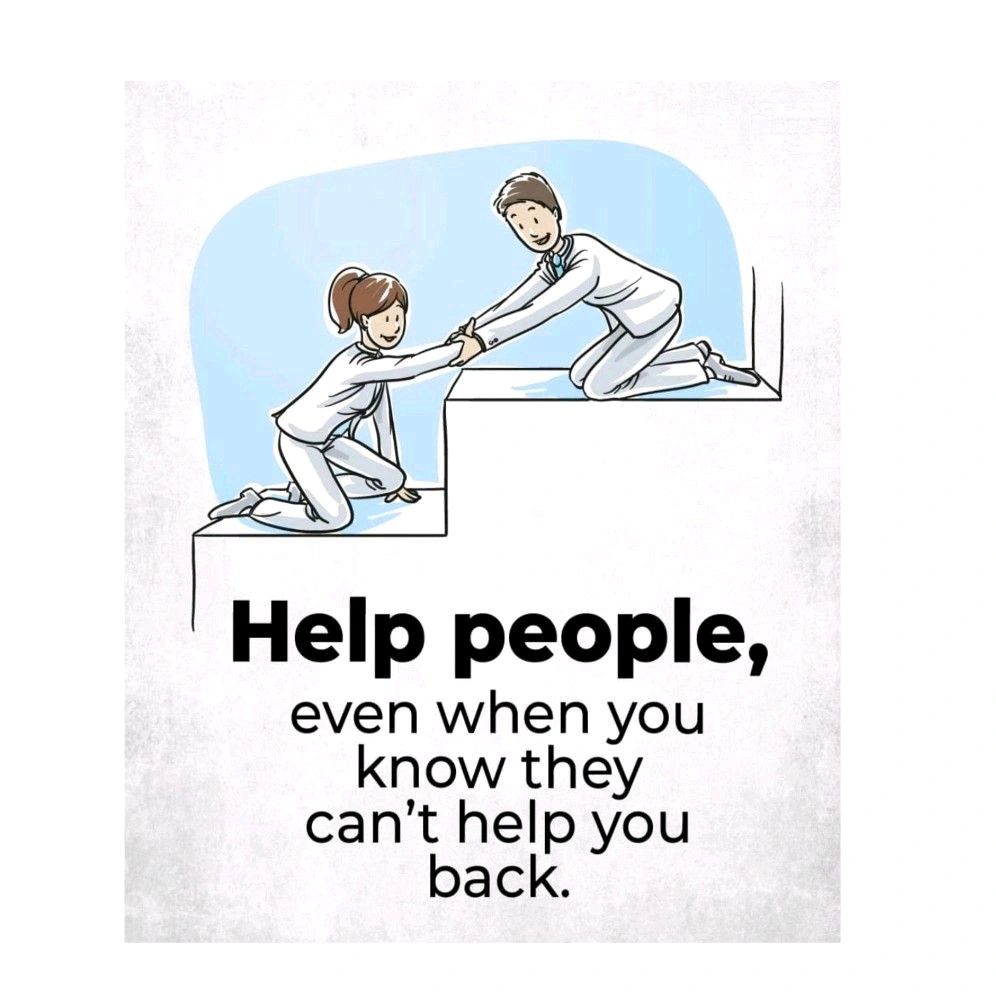
This isn't just good business practice – it's biblical. "Do nothing out of selfish ambition or vain conceit. Rather, in humility value others above yourselves, not looking to your own interests but each of you to the interests of the others" (Philippians 2:3-4).
When we operate from this mindset, everything changes. Trust is rebuilt. Communication improves. Teams become more innovative and resilient. And workplaces transform from battlegrounds into communities where people can thrive.
Your Next Step Toward Healing
If you're reading this and recognizing yourself in these patterns, take heart. Awareness is the first step toward freedom. You don't have to figure this out alone, and you don't have to stay stuck in cycles that hurt both you and your team.
The truth is, most of us need help processing our pain and learning healthier ways to show up at work. We need someone to walk alongside us, offering perspective, encouragement, and practical strategies for change. We need a guide who understands both the complexities of workplace dynamics and the power of faith to transform hearts and relationships.
That's exactly why I've dedicated my ministry to helping Christians like you break free from these destructive patterns. Whether you're dealing with imposter syndrome, trust issues, communication breakdowns, or any other workplace challenge rooted in unhealed pain, you don't have to navigate it alone.
I'm offering a completely free 30-minute coaching consultation – no strings attached, no sales pitch, just a genuine conversation about where you are and where you want to be. We can do this over the phone or even through text messaging, whatever works best for your schedule. During our time together, we'll identify the specific areas where unprocessed pain might be affecting your work relationships and develop a practical plan for moving forward.
For teams ready to address these issues collectively, I also facilitate workshops that help entire organizations create healthier, more trusting cultures. Because sometimes the healing needs to happen at a group level, not just individually.
Visit LayneMcDonald.com to schedule your free consultation today. Choose phone or text – whatever feels most comfortable for you. Let's work together to transform your workplace relationships and create the kind of team culture where everyone can flourish.
Your pain doesn't have to define your professional relationships. Your past doesn't have to determine your team's future. Healing is possible, and it starts with a single conversation.
Comments