
Leviticus Rewired: Part 1 – Approaching the Holy (Leviticus 1–7)
- Dr. Layne McDonald
- Dec 30, 2025
- 6 min read

You know that feeling when you're about to meet someone really important? Maybe it's your first job interview, meeting your partner's parents, or stepping into the principal's office. Your palms get sweaty, you check your appearance one more time, and you wonder if you're even worthy to be in the same room. Now imagine that feeling, but you're about to approach the Creator of the universe.
Welcome to Leviticus – the book that makes most people want to skip straight to the New Testament. But here's the thing: this ancient manual on approaching God holds some of the most profound truths about relationship, forgiveness, and what it really means to connect with the divine. Over the next five weeks, we're going to "rewire" how we think about this incredible book, starting with the most fundamental question: How do broken people approach a perfect God?
Why Leviticus Isn't Just Ancient History
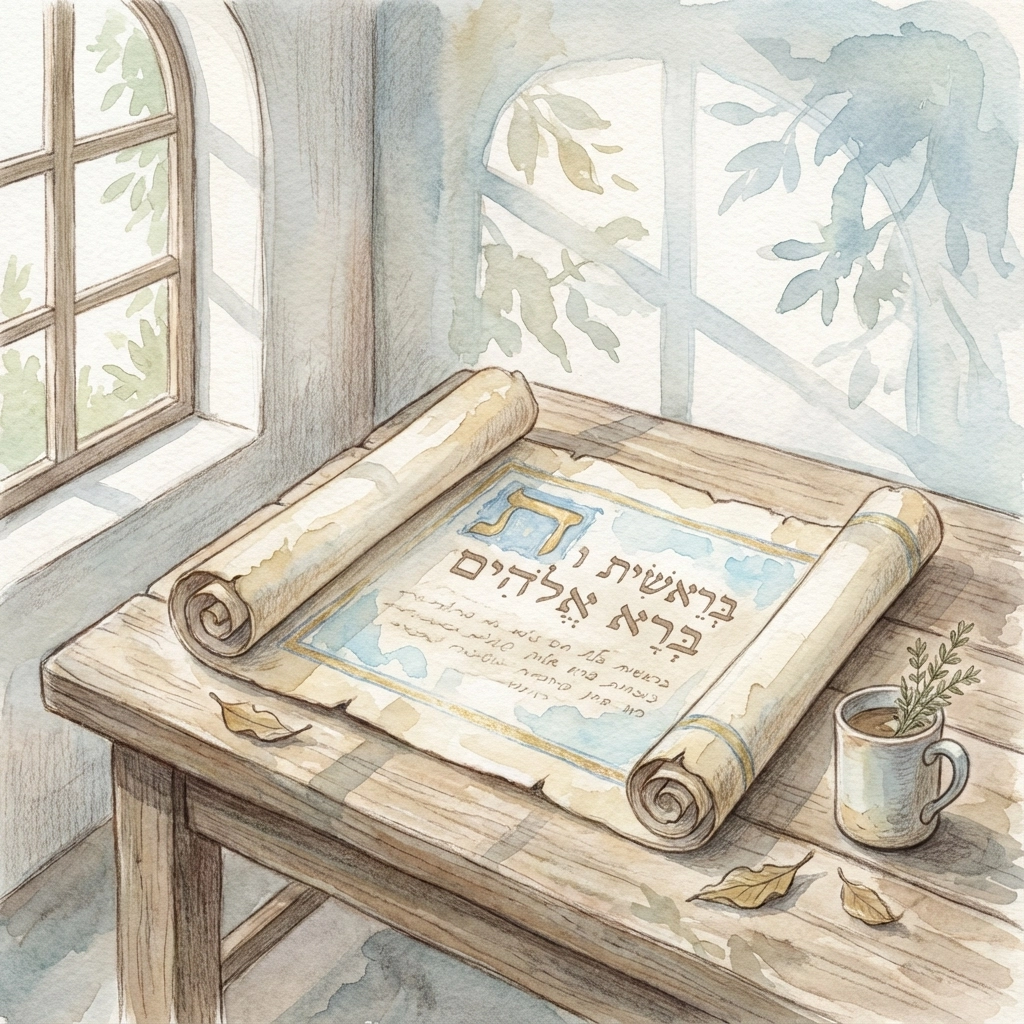
Before we dive into sacrifices and offerings (stay with me, I promise this gets interesting), let's talk about why Leviticus matters in 2025. You might think, "I don't have a tabernacle in my backyard, and the last time I sacrificed a goat was... never." Fair point. But here's what Leviticus is really about: relationship with a holy God.
Think about your most important relationships. They all have boundaries, expectations, and ways of showing love and respect. Leviticus is God's relationship manual – His way of saying, "Here's how we can be close despite the fact that you're human and I'm... well, me."
The first seven chapters of Leviticus introduce us to five different types of offerings. But these aren't just religious rituals – they're love languages between God and His people.
The Five Offerings: God's Love Languages
1. The Burnt Offering (Leviticus 1) - This was the "I'm all in" offering. The entire animal was consumed by fire, representing complete dedication to God. It's like saying, "God, I want to give You everything I have."
2. The Grain Offering (Leviticus 2) - This was the "thank you for providing" offering. People brought their best flour, oil, and frankincense. It acknowledged that everything good in life comes from God's hand.
3. The Peace Offering (Leviticus 3) - This was the "let's celebrate together" offering. Part was burned, part went to the priests, and part was eaten by the family in a sacred meal. It was literally dining with God.
4. The Sin Offering (Leviticus 4) - This was the "I messed up" offering. When people realized they'd blown it, this offering provided a way back to relationship with God.
5. The Guilt Offering (Leviticus 5-7) - This was the "I want to make things right" offering. Not only did it deal with sin, but it also required making restitution to anyone who'd been wronged.

Discussion Time: Personal Reflection
Take a moment to think about these questions on your own:
Which of these five "love languages" with God resonates most with you right now?
When was the last time you felt the need to "approach God" about something important in your life?
What makes approaching God feel intimidating or natural for you?
Small Group Discussion
Now talk through these with your group:
How do these ancient offerings compare to the ways we express our relationship with God today?
What does it mean that God provided specific ways for people to approach Him rather than leaving it up to chance?
Share about a time when you felt distant from God and how you found your way back.
Here's where it gets really interesting: every single one of these offerings points to Jesus. But we're getting ahead of ourselves – that's a conversation for later in our series.
The Heart Behind the Ritual
But wait, there's more to this story. God didn't just want people going through the motions. Check out what He says in Isaiah 1:11: "What do I care about the number of your sacrifices? I am sick of your burnt offerings... I take no delight in the blood of bulls and lambs and goats."
Whoa. Plot twist, right? God created this entire system of offerings, then says He's sick of them? Here's what's happening: God wanted heart, not just habit. The offerings were meant to represent real relationship, real repentance, real gratitude. When they became empty religious performance, God called it out.
This is where our study gets personal. How often do we go through the motions in our relationship with God? We pray before meals (habit), attend church (routine), maybe even give money (obligation) – but miss the heart behind it all.
The Holiness Problem
Here's the core issue that all these offerings address: God is holy, and we're not. It's not that God is some cosmic germaphobe who can't stand being around imperfect people. Holiness isn't about cleanliness – it's about perfection, purity, and being completely set apart.
Think of it like this: if you brought a lit match near gasoline, what would happen? Explosion. Not because the gasoline is evil or the match is bad, but because they can't coexist safely. That's the holiness problem. Our sin and God's perfection don't mix well.
The offerings weren't God being demanding – they were God being gracious. He was saying, "I want to be close to you, so here's how we can make that happen safely."
Discussion Time Round Two
Personal Questions:
How do you typically handle guilt or shame in your life?
What does "holiness" mean to you personally?
When do you feel closest to God, and when do you feel most distant?
Group Questions:
Why do you think God required blood sacrifice rather than just saying, "Don't worry about it"?
How has your understanding of God's holiness changed over the years?
What are some modern ways people try to "earn" their way to God?
The Priest's Role
One more crucial piece of this puzzle: the priests. Regular Israelites couldn't just waltz up to God with their offerings. They needed mediators – people specially chosen and consecrated to stand between them and God's holiness.
The priest's job was to make sure everything was done correctly, that the offerings were acceptable, and that the people could safely approach God. They were like spiritual electricians, making sure the connection between human and divine didn't short-circuit.
But here's what's amazing: in the New Testament, we learn that Jesus became our ultimate high priest, and that all believers are now "a royal priesthood" (1 Peter 2:9). We get to approach God directly, but we also get to help others approach Him too.

Where This Leads Us
As we wrap up Part 1 of Leviticus Rewired, here's what we've discovered: God wants relationship with us so badly that He created detailed ways for it to happen safely. The offerings weren't barriers – they were bridges.
But this is just the beginning. Next week in Part 2, we're diving into Leviticus 8-15, where things get really practical (and honestly, a bit weird) as we explore purity laws and what it means to live as holy people in an unholy world.
Final Group Discussion:
What's one thing from today's study that surprised you?
How might understanding these offerings change the way you approach prayer or worship?
What questions are you hoping we'll address in the coming weeks?
Your Next Step
Here's my challenge for you this week: pick one of the five offerings we discussed and practice its heart attitude. Maybe it's complete dedication (burnt offering), gratitude for God's provision (grain offering), celebration of relationship with God (peace offering), honest confession (sin offering), or making things right with someone you've wronged (guilt offering).
Don't just go through the motions – engage your heart. And pay attention to how God meets you in that space.
Want to go deeper in your faith journey? I'm here to help you navigate not just ancient scriptures, but modern life with biblical wisdom. Whether you're dealing with leadership challenges, family dynamics, or just wanting to grow closer to God, let's talk about how personalized coaching can help you thrive.
Because here's the truth: God didn't just want relationship with ancient Israelites. He wants relationship with you, right here, right now, in 2025. And that's a conversation worth having.
Ready for Part 2? Trust me, it's going to challenge everything you thought you knew about cleanliness, community, and what God really cares about.
Comments