
Leviticus Rewired: Part 3 – Clean, Unclean, and Real Life (Leviticus 11–16)
- Dr. Layne McDonald
- Dec 30, 2025
- 5 min read

You know that feeling when you walk into someone's spotless home and suddenly become hyperaware of every speck of dirt on your shoes? Or when you're about to eat something and wonder, "Is this still good?" That internal radar we have about clean versus dirty, safe versus risky, acceptable versus questionable: it's more ancient than you might think.
Welcome back to our Leviticus journey! If you've been with us through Parts 1 and 2, you've already discovered that this isn't just ancient law: it's God's blueprint for holy living. Today we're diving into Leviticus 11–16, where God gets surprisingly specific about what makes something clean or unclean, and why it matters way more than we might expect.
The Big Picture: Holiness Isn't Optional
Before we get lost in the details about which animals to eat and complex purification rituals, let's zoom out. These six chapters aren't random rules: they're all about one massive theme: holiness. God keeps saying, "Be holy, for I am holy" (Leviticus 11:45).
Think of it like this: if you were invited to dinner at the White House, you wouldn't show up in your pajamas. There are standards that match the significance of where you're going. God is saying, "You're not just anyone: you're My people. Live like it."
But here's what's fascinating: being "unclean" in Leviticus isn't the same as sinning. It's more like being temporarily disqualified from certain activities until you can get cleaned up. No guilt, no shame: just a clear process for getting back to "ready for service."
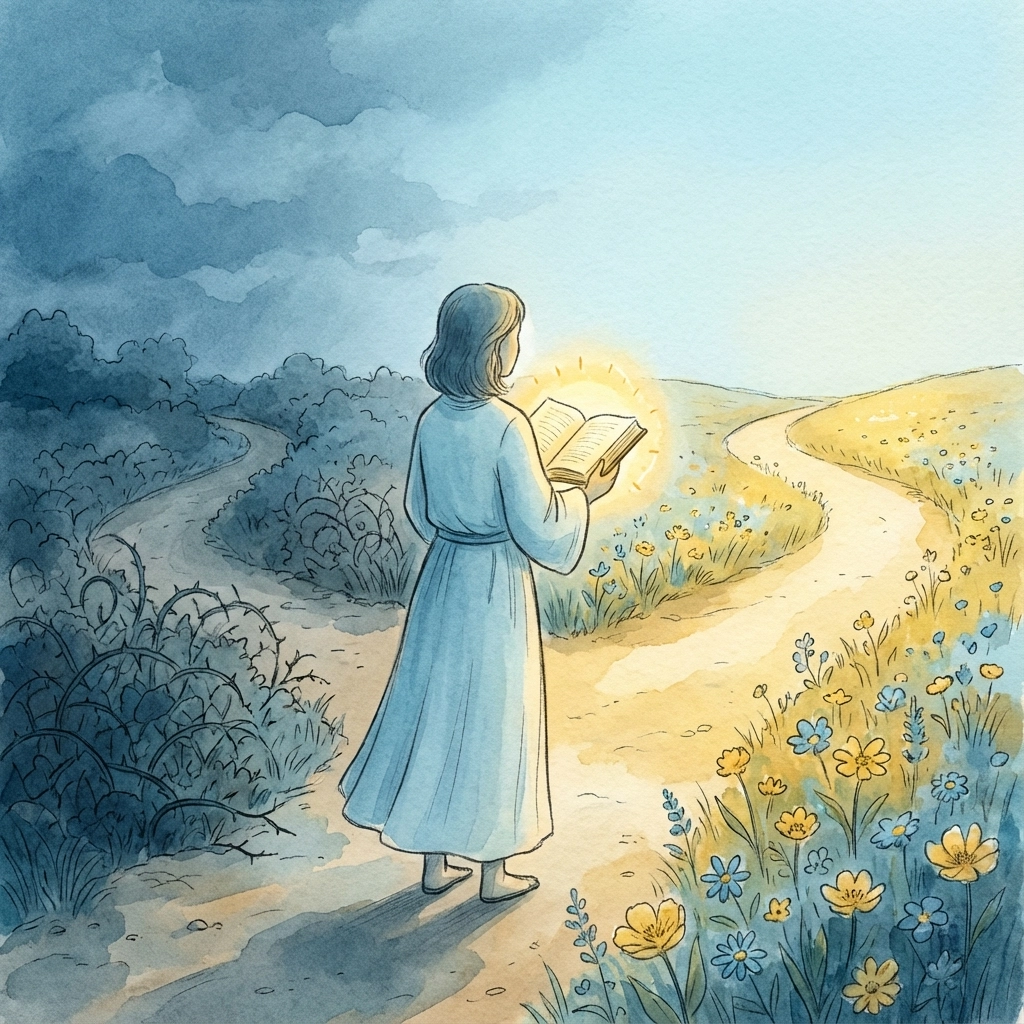
Breaking Down the Clean and Unclean Code (Leviticus 11)
Chapter 11 reads like an ancient dietary guide, but it's so much more. God divides animals into clean (okay to eat) and unclean (off limits) categories. The clean animals? They have split hooves AND chew their cud. Fish need fins and scales. Birds of prey are out.
Personal Reflection Questions:
What are some "clean" and "unclean" distinctions you make in your own life today?
How do you decide what influences, friendships, or entertainment choices are healthy for your spiritual life?
When has following God's standards felt restrictive? What was the outcome?
Modern science gives us some clues about why these distinctions made sense: many unclean animals were scavengers, disease carriers, or potentially dangerous. But the deeper point isn't just health; it's about learning to distinguish between what brings life and what brings death, what honors God and what doesn't.
For Your Small Group: Take a moment to discuss: If someone asked you to explain why Christians have different standards for movies, music, or relationships, what would you say? How do you balance living in the world without being "of the world"?
Life Gets Messy: Purification Rituals (Leviticus 12–15)
Here's where Leviticus gets refreshingly honest about human life. Childbirth, skin diseases, bodily functions: God doesn't skip over the awkward stuff. Instead, He provides clear procedures for dealing with these realities.
The key insight? Life is messy, and that's okay. These chapters aren't saying these natural processes are sinful: they're acknowledging that certain circumstances temporarily make someone ceremonially unclean, requiring specific steps to restore their status.
The Game Changer: Day of Atonement (Leviticus 16)
Here's your midpoint hook: Imagine if there was one day each year when every mistake, every failure, every way you'd fallen short could be completely wiped clean. Not just forgiven: completely removed, like it never happened. That's exactly what God designed in the Day of Atonement.
This isn't just about individual sin; it's about cleansing the entire community and even the tabernacle itself. The high priest performs elaborate rituals, including the famous scapegoat ceremony where one goat literally carries away the sins of the people into the wilderness.
Group Discussion Starters:
What emotions do you think the Israelites felt on this day?
How does knowing that Jesus became our ultimate scapegoat change your perspective on forgiveness?
What would it look like to live with the confidence that your failures have been completely carried away?

Making It Real: What This Means Today
You might be thinking, "This is all fascinating historically, but what does it mean for my Tuesday morning?" Great question. Here are some practical connections:
Boundaries Matter: Just like God gave Israel clear distinctions between clean and unclean, we need wisdom about what influences we allow into our lives. What we watch, read, listen to, and who we spend time with all shape who we become.
Process Over Perfection: The purification rituals teach us that becoming clean is often a process, not an instant fix. Whether it's breaking a bad habit, healing from trauma, or growing in faith, transformation takes time and intentional steps.
Community Standards: These laws weren't just individual: they shaped community life. Our choices affect others. The question isn't just "Is this legal?" but "Is this helpful for the community I'm part of?"
Grace in the Details: God cares enough about real life to address the messy parts. Nothing is too mundane or awkward for His attention and care.
The Jesus Connection
Here's what makes this all incredibly beautiful: Jesus fulfilled every requirement in these chapters. He became our perfect sacrifice, our permanent purification, our once-and-for-all Day of Atonement. The New Testament tells us that Jesus declared all foods clean (Mark 7:19) and that He is the way we approach God: no more elaborate rituals required.
But that doesn't make these chapters irrelevant. They show us the holiness of God, the seriousness of sin, and the incredible lengths God goes to make a way for us to be close to Him.
Personal Application Questions:
Where in your life do you need to apply the principle of choosing what brings life over what brings death?
How can you create "purification rituals" in your routine: regular practices that help you refocus and recommit?
What would change if you truly believed that Jesus has completely removed your failures?
Your Small Group Challenge
This week, try this as a group: identify one area where you want to apply the "clean/unclean" principle. Maybe it's social media habits, entertainment choices, or even the way you talk about others. Support each other in making choices that honor God and bring life.
Also, spend some time reflecting on the Day of Atonement. Write down specific things you want to "send into the wilderness": regrets, failures, shame that you've been carrying. Then pray together, thanking Jesus for being your permanent atonement.
Final Group Questions:
What's one insight from Leviticus 11–16 that surprised you?
How does understanding God's concern for holiness change your daily decisions?
What's one specific way you want to live differently this week based on what you've learned?
The Bigger Story
As we wrap up Part 3, remember we're not just studying ancient religious practices. We're learning about a God who cares deeply about how His people live, who provides clear guidance for complex situations, and who ultimately makes a way for imperfect people to be in relationship with perfect holiness.
Here's your closing hook: Next week in Part 4, we're diving into some of the most challenging and controversial parts of Leviticus: the laws about relationships, justice, and what it really means to love your neighbor as yourself. If you thought clean and unclean was complicated, wait until we tackle Leviticus 17–23. You won't want to miss how these ancient laws reveal God's heart for justice and community in ways that will change how you see the world around you.
The journey through Leviticus continues to surprise us, challenge us, and ultimately point us toward the amazing grace found in Jesus. Ready for the next adventure?
Want to go deeper in your faith journey? Dr. Layne McDonald offers personalized coaching and mentorship to help you apply biblical principles to real life. Whether you're leading a small group, growing in your personal faith, or navigating life's challenges, practical guidance rooted in Scripture can transform your perspective and strengthen your walk with God.
Comments