
Leviticus Unfiltered: Part 1 – Holy Starts Here (Leviticus 1–7)
- Dr. Layne McDonald
- Dec 30, 2025
- 5 min read

Picture this: You're about to meet the most important person in your life. Your heart's racing, your palms are sweaty, and you're wondering if you're dressed right, if you smell okay, if you'll say something stupid. Now multiply that feeling by infinity – that's what it felt like for the Israelites to approach the living God. Welcome to Leviticus, where God literally writes the handbook on how unholy people can get close to a holy God.
I know what you're thinking: "Leviticus? Really? Isn't that the book everyone skips?" But here's the thing – this book is actually God's love letter about intimacy. It's His detailed instructions on how we can have a real relationship with Him, not just wave from a distance.
Why Blood, Fire, and Sacrifice?
Leviticus opens with what seems like a brutal scene: animals being killed, blood poured out, bodies consumed by fire. It's not exactly the gentle Jesus narrative we're comfortable with, right? But God starts here for three powerful reasons that'll blow your mind:
First, forgiveness is expensive. God begins with blood because sin isn't just a little "oops" that can be brushed under the rug. Every time we choose ourselves over God, it creates a gap that costs something precious to bridge. The blood represents the ultimate price tag of reconciliation.
Second, holiness burns away impurity. God's presence is like a purifying fire – it can't coexist with unconfessed junk in our lives. The fire isn't about punishment; it's about transformation. Think of it like a refiner's fire that burns away everything that's not pure gold.
Third, real worship requires surrender. The sacrifice isn't just about an animal dying; it's about the worshipper saying, "God, I'm giving up something valuable because You're worth more than anything I could ever possess."

Personal Reflection Questions:
What's the most expensive thing you've ever given up for someone you love?
How does thinking about forgiveness as "costly" rather than "free" change your perspective on grace?
What areas of your life feel uncomfortable when you imagine God's "purifying fire" touching them?
Group Discussion:
Share about a time when sacrifice deepened a relationship in your life
How do our modern ideas about approaching God differ from the Israelite experience?
The Five Types of Offerings: God's Relationship Menu
Here's where it gets fascinating – God doesn't give just one way to connect with Him. He provides five different types of offerings in these chapters, like a divine relationship menu:
1. The Burnt Offering (Chapter 1): Complete surrender. The whole animal goes up in smoke, representing total dedication to God.
2. The Grain Offering (Chapter 2): Daily devotion. This is about the everyday stuff – your work, your resources, your ordinary life given to God.
3. The Peace Offering (Chapter 3): Celebration and fellowship. This one's actually fun – it's like having dinner with God!
4. The Sin Offering (Chapter 4): When you mess up. God provides a way back when we've blown it.
5. The Guilt Offering (Chapter 5-7): Making things right. This covers restitution and restoring relationships.
Notice something amazing here? Most of these offerings are voluntary! God isn't just waiting to zap us when we sin. He's actually inviting us into deeper relationship through worship, celebration, and daily life.
Personal Reflection Questions:
Which of these offerings resonates most with where you are in your relationship with God right now?
How might your daily work or routine become a "grain offering" to God?
What would it look like to celebrate with God more intentionally?
But Here's the Plot Twist...
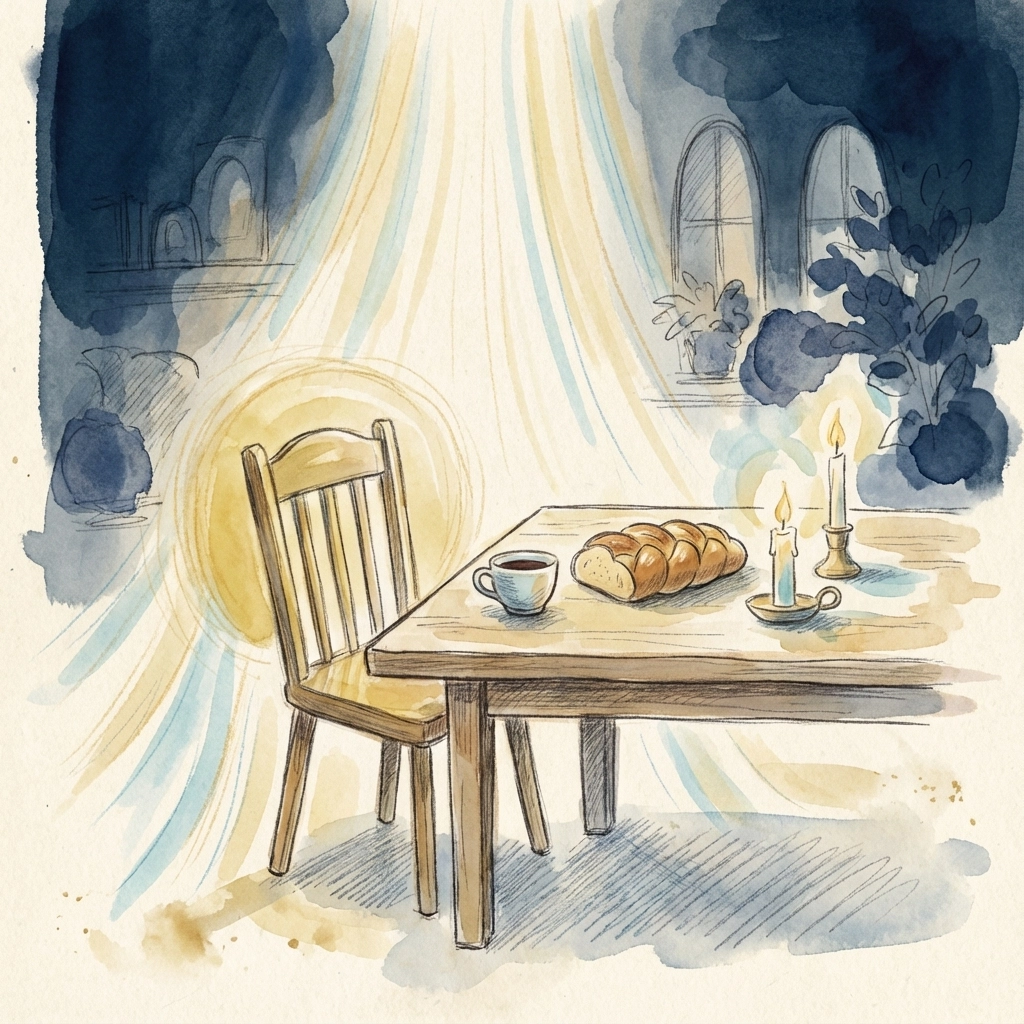
Halfway through these chapters, something beautiful happens. What starts as a desperate need for atonement transforms into an invitation to communion. The God of consuming fire becomes the gracious host saying, "Come dine with Me."
This is the heart of what holiness really means. The Hebrew word "kadosh" doesn't just mean "perfect" – it means "set apart for a special purpose." God isn't calling us to be perfect; He's calling us to be His. He's saying, "I want you close to Me, and I'll do whatever it takes to make that possible."
Group Discussion:
How does viewing holiness as "being set apart for God" rather than "being perfect" change how you approach your faith?
Share about a time when you felt genuinely close to God. What made that moment special?
Making It Real: What This Means for Us Today
You might be wondering, "This is great history, but what does a 3,000-year-old sacrificial system have to do with my Monday morning?" Everything.
We still need cleansing. We all carry guilt, shame, and broken places that need God's healing touch. The sacrifice system reminds us that God takes our brokenness seriously and provides real solutions.
We still need surrender. In a culture that screams, "You do you!" God whispers, "Actually, you do Me, and you'll discover who you really are."
We still need celebration. When's the last time you actually celebrated God's goodness? The peace offering teaches us that joy and gratitude aren't optional extras – they're essential parts of a healthy relationship with God.
We still need daily devotion. The grain offering shows us that God cares about our ordinary Tuesday just as much as our mountaintop Sunday.
Personal Reflection Questions:
What would a "burnt offering" mindset look like in your current life circumstances?
How can you incorporate more celebration and gratitude into your relationship with God?
What daily routines could become acts of worship?
Group Discussion:
As a group, brainstorm practical ways to live out each of the five offerings in modern life
How can we support each other in pursuing holiness without becoming judgmental?
Your Next Steps into Holiness
God's invitation to holiness isn't a demand for perfection – it's an invitation to intimacy. He's saying, "I want you close, and I'll provide everything needed to make that happen."
This week, try this: Pick one of the five offerings that spoke to you most. Live it out practically. If it's the burnt offering, identify one area where you need to surrender more fully. If it's the peace offering, plan an intentional time of celebration and gratitude. If it's the grain offering, choose one daily activity to do "as unto the Lord."
Remember, the goal isn't to impress God with your religious performance. The goal is to discover the joy of living close to the One who loves you enough to make a way when there was no way.
Ready to dive deeper into this journey of getting close to God? Check out our Heart to Heart ministry for more resources on developing authentic intimacy with God. Because holy doesn't mean distant – it means close enough to hear His heartbeat.
Coming up next week: Leviticus Unfiltered Part 2 – "Clean Slate Living" (Leviticus 8-15), where we'll discover how God's idea of purity is way more practical (and encouraging) than you think!
Comments