
Leviticus Unfiltered: Part 5 – Jubilee! (Leviticus 23–27)
- Dr. Layne McDonald
- Dec 30, 2025
- 5 min read

Picture this: You're sitting in a coffee shop, scrolling through your calendar app, and suddenly you're hit with a wave of exhaustion. Soccer practice, work deadlines, family dinner, church committee meeting, volunteer shift... When's the last time you actually rested? Really rested?
God knew we'd struggle with this. That's why He built rhythms of rest, celebration, and justice right into the fabric of how His people were supposed to live. Welcome to our final stop in Leviticus Unfiltered, where we discover that God isn't just interested in rules, He's designing a life of freedom.
The Party Calendar God Designed
Leviticus 23 reads like the ultimate event planner's dream. God maps out seven major festivals throughout the year, and here's the beautiful thing, they're not just religious obligations. They're intentional rhythms that create space for community, rest, and celebration.
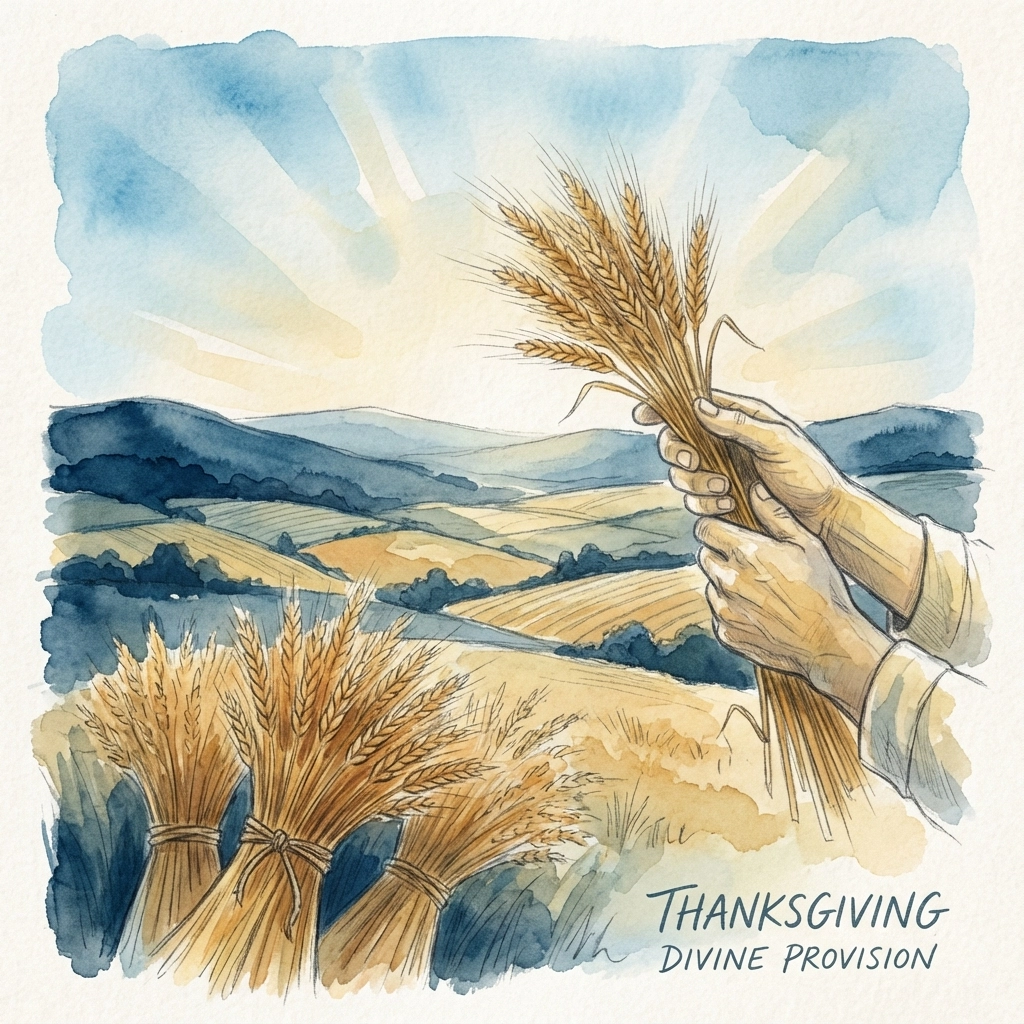
The Festival of Firstfruits caught my attention. Picture the priest waving that first bundle of grain before the Lord, essentially saying, "God, You get the first and best of everything we have." It's not about earning favor, it's about acknowledging that everything good in our lives flows from Him.
Then there's the Day of Atonement. One day a year when the entire nation stops. No work, no hustle, no productivity metrics. Just a collective pause to let God handle what they couldn't, their sin and brokenness. The text literally says the people contributed "nothing" to this process. Sometimes the most powerful thing we can do is absolutely nothing except receive what God wants to give us.
Personal Reflection: What would it look like to build actual rest into your calendar? Not just "I'll rest when I'm caught up" but scheduled, non-negotiable downtime?
Group Discussion: How do you think these festivals created community among the Israelites? What modern rhythms could serve a similar purpose in your small group or church?
The Revolutionary Concept of Sabbath Years
Here's where things get really interesting. Every seventh year, the land itself got a sabbath. Farmers couldn't plant, couldn't harvest, they had to trust God to provide. But it gets even more radical.
Every 50th year was the Year of Jubilee. Debts were canceled. Slaves were freed. Property went back to its original families. Imagine announcing to your mortgage company, "Sorry, it's Jubilee year: debt canceled!"
But this wasn't just about economics. God was establishing a rhythm that prevented the accumulation of generational poverty and injustice. He built reset buttons into society itself.
Think about this: In a culture that celebrates the grind and worships productivity, what would it mean to trust God enough to actually rest? Not just take a day off, but build margins into your life where you're not trying to control every outcome?
The Heart Behind the Rules
As we move into chapters 26 and 27, we see the heart behind all these commands. This isn't about religious performance: it's about relationship. God is saying, "I want to be your God, and I want you to be my people."
The regulations about vows and dedications in chapter 27 show us something beautiful: God wants our voluntary, heartfelt commitment, not just our compliance. When someone made a vow to dedicate something to the Lord, there were specific ways to honor that commitment. God takes our promises seriously because He takes His relationship with us seriously.
The whole tithe system: giving a tenth of everything back to God: was never about God needing our money. It was about keeping our hearts oriented toward the truth that everything we have comes from Him.
Personal Challenge: What's one area of your life where you've been trying to maintain control instead of trusting God's rhythms and timing?
Group Question: How do you see the principle of "first fruits" applying to modern life? What would it look like to give God the first and best of your time, energy, and resources?
What This Means for Us Today
Here's what strikes me most about these final chapters of Leviticus: God cares about justice, rest, and celebration just as much as He cares about holiness and sacrifice. He's not asking us to choose between spirituality and social justice, between worship and rest, between personal holiness and community care.
The Jubilee principle teaches us that God's heart breaks over systems that keep people trapped. The festival calendar shows us that God wants His people to celebrate regularly. The Sabbath year demonstrates that God values rest and trust over endless productivity.
These aren't just ancient rules for ancient people: they're glimpses into God's design for human flourishing.
Living Leviticus Today
So what do we do with all this? Here are some practical ways to embrace God's rhythms:
Create Celebration Rhythms: Just like the Israelites had regular festivals, what if you built regular celebration into your calendar? Monthly family dinners, seasonal traditions, marking God's faithfulness in your life.
Practice Sabbath: Whether it's a full day or just a few hours, create non-negotiable time for rest and worship. Put the phone away. Stop trying to be productive. Just be with God.
Embrace First Fruits: Give God the first part of your day, your paycheck, your week. Not because you have to, but because it keeps your heart in the right place.
Work for Justice: The Jubilee principle calls us to care about systems that trap people in poverty or injustice. How can you use your influence, resources, and voice to create "reset" opportunities for others?
Trust God's Provision: The Sabbath year required tremendous faith. What area of your life is God calling you to trust Him instead of trying to control everything?
Your Turn
As we wrap up our journey through Leviticus, here's the beautiful truth we've discovered: God isn't interested in religious performance. He's designing a life of freedom, rest, justice, and celebration for His people.
The question isn't whether you can perfectly follow all these ancient laws. The question is whether you'll embrace the heart behind them: a God who wants to be in relationship with you and wants you to experience true human flourishing.
Final Group Questions:
What's the biggest thing you've learned about God's character through studying Leviticus?
Which principle from these final chapters feels most challenging to apply in your current season of life?
How has this series changed the way you think about holiness, rest, or justice?
This Week's Challenge: Choose one principle from Leviticus 23-27 and experiment with living it out this week. Maybe it's building real rest into your schedule, or giving the "first fruits" of your day to prayer, or finding one way to work for justice in your community.
God's invitation to abundant life is still open. The rhythms He designed for human flourishing are still available to us. The only question is: will we trust Him enough to live them out?
Remember, this isn't about adding more religious activity to your already busy life. It's about discovering the freedom that comes when we align our lives with God's design. When we do, we find that His rhythms aren't restrictive: they're liberating.
Ready to dive deeper into biblical community and practical faith? Connect with our small groups and discover how God's ancient wisdom can transform your modern life. Because the best way to study God's Word isn't alone( it's together.)
Comments