

Midday Reality Check: What Both Sides Are Saying About Humanitarian Aid Funding (And What Jesus Says)
- Layne McDonald
- 4 hours ago
- 5 min read

The conversation around international humanitarian aid has heated up again this week. As global crises multiply: from conflict zones to natural disasters: the debate over how much aid to send, where to send it, and who should pay for it has people on both sides dug in. Some say we're doing too much. Others say we're not doing nearly enough.
If you've felt caught in the middle, you're not alone. Let's cut through the noise, look at what both sides are actually saying, and then turn to what Scripture offers as our true north.
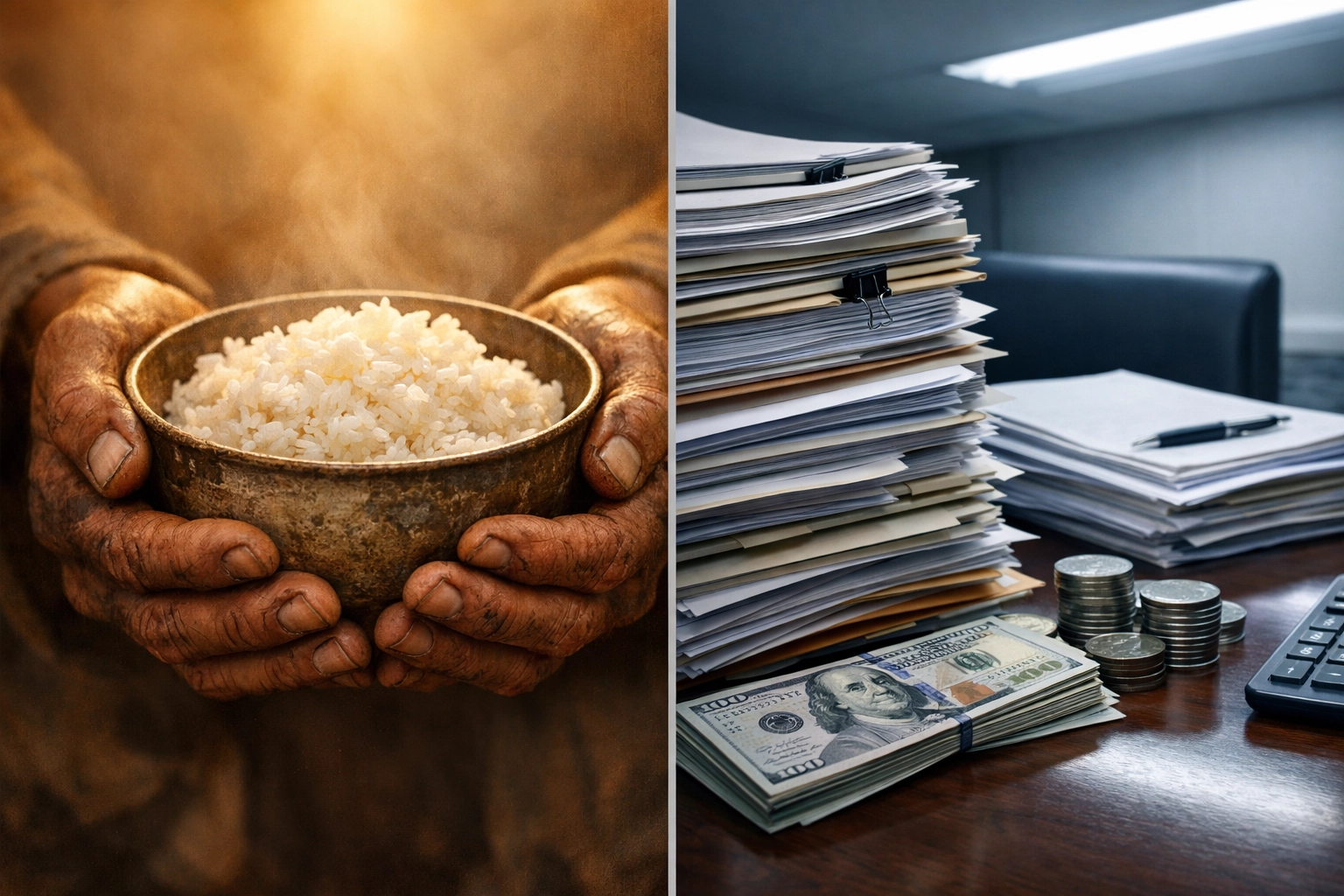
The Facts: Where the Debate Stands
Humanitarian aid: money, supplies, and personnel sent to help people in crisis: has become a flashpoint in political and cultural conversations. The United Nations and other international bodies coordinate billions of dollars in relief every year, responding to war, famine, disease, and displacement.
Right now, debates are flaring around:
Budget allocations: Should wealthy nations increase or decrease their foreign aid commitments?
Accountability: How do we ensure aid reaches the people who need it, not corrupt officials or armed groups?
Domestic priorities: With challenges at home, should nations focus inward before sending resources abroad?
Long-term impact: Does aid create dependency, or does it save lives and stabilize regions?
These aren't new questions, but they're getting louder as global need grows and economic pressures mount.
What One Side Says: "Charity Begins at Home"
Some voices argue that nations: especially those facing internal struggles: should prioritize their own citizens before writing checks to help others.
Their key points:
Stewardship of taxpayer dollars: Foreign aid often comes from public funds, and many believe those dollars should address domestic poverty, healthcare, and infrastructure first.
Corruption concerns: Reports of aid money being siphoned off by corrupt regimes or armed groups fuel skepticism about whether help actually reaches the vulnerable.
Sovereignty and self-reliance: Some argue that long-term aid can create dependency and that struggling nations need to build their own systems rather than rely on external handouts.
National security: A few voices suggest aid money could be better spent on national defense or economic growth that strengthens a country's position in the world.
These concerns aren't rooted in cruelty: they're often rooted in a desire for accountability, wisdom, and careful stewardship of limited resources.
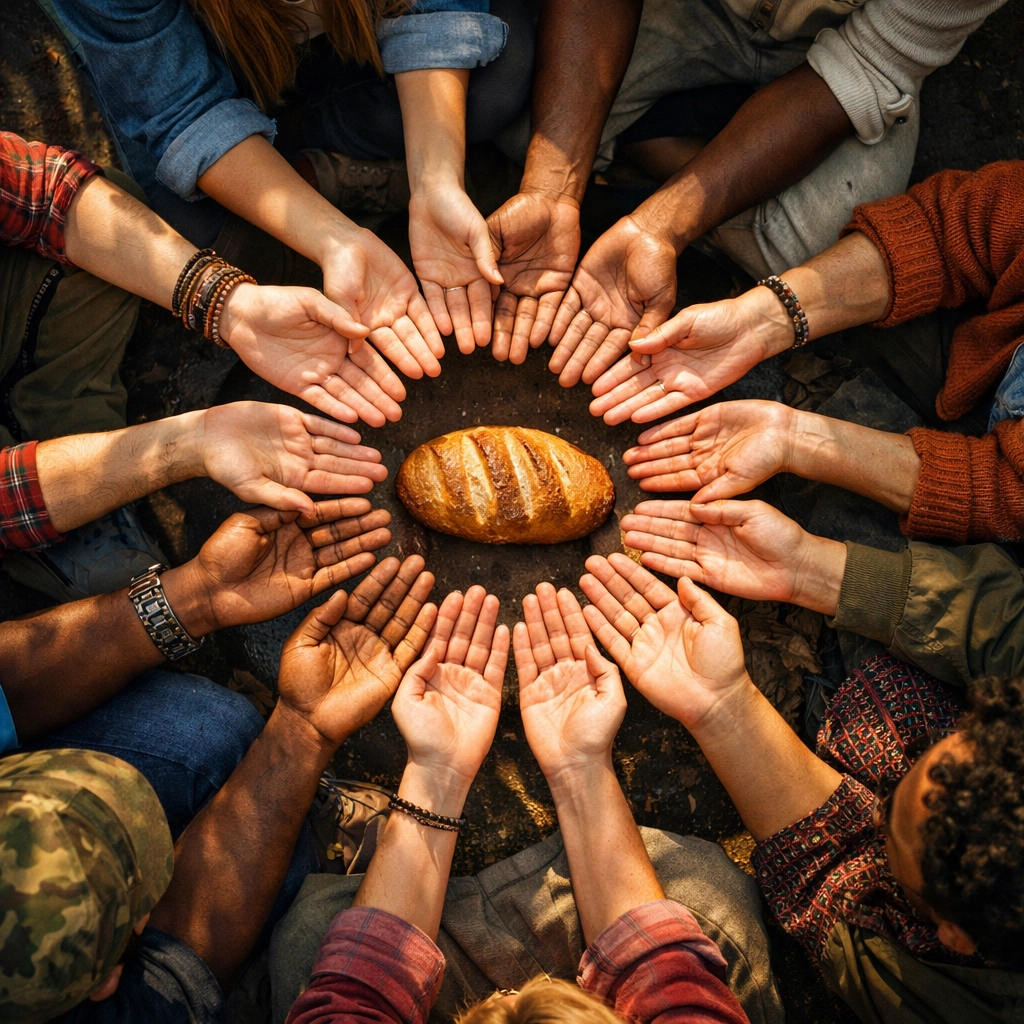
What the Other Side Says: "We're All in This Together"
On the flip side, many advocates argue that wealthy nations have a moral obligation to help those in desperate need, no matter where they live.
Their key points:
Moral responsibility: When people are dying from preventable causes: hunger, disease, violence: those with the means to help should act.
Global interconnectedness: Crises in one region often spill over into others. Refugee flows, disease outbreaks, and regional instability affect everyone.
Effectiveness of aid: While corruption exists, billions of dollars in aid have genuinely saved lives, delivered vaccines, provided clean water, and rebuilt communities.
Biblical and humanitarian values: Many faith communities point to Scripture's repeated calls to care for the poor, the stranger, and the suffering: regardless of borders.
This side emphasizes compassion, interconnectedness, and the idea that ignoring global suffering isn't just unkind: it's short-sighted.
The Tension: Both Sides Have a Point
Here's the uncomfortable truth: both sides are raising legitimate concerns.
Accountability matters. Stewardship matters. Making sure aid actually reaches hungry kids and displaced families: rather than lining the pockets of warlords: matters deeply.
But so does compassion. So does action. So does refusing to turn away when we have the power to help.
The real question isn't whether we should care: it's how we care wisely, generously, and effectively.

What Jesus Says: A Different Framework
Jesus didn't give us a foreign policy white paper. But He did give us a framework that cuts through the political tribalism.
"Truly I tell you, whatever you did for one of the least of these brothers and sisters of mine, you did for me." (Matthew 25:40)
Jesus made it clear: how we treat the vulnerable reflects how we treat Him. The hungry. The sick. The stranger. The prisoner. He didn't qualify it by nationality, zip code, or political alignment.
But He also modeled wisdom. When Jesus fed the 5,000, He didn't just throw bread into a crowd and hope for the best. He organized the people, involved His disciples, and ensured the need was met in an orderly way. Compassion and stewardship aren't opposites: they're partners.
Here's what Scripture consistently teaches:
Generosity is non-negotiable. "Give to the one who asks you, and do not turn away from the one who wants to borrow from you." (Matthew 5:42)
Wisdom is required. "The plans of the diligent lead to profit as surely as haste leads to poverty." (Proverbs 21:5)
Justice matters. "Learn to do right; seek justice. Defend the oppressed. Take up the cause of the fatherless; plead the case of the widow." (Isaiah 1:17)
Love crosses borders. The Good Samaritan didn't check the injured man's passport before helping him. (Luke 10:25-37)
Jesus calls us to hold generosity and wisdom together. To give freely and give wisely. To care deeply and demand accountability.

Finding Peace in the Tension
So how do we move forward when both sides are yelling and the news cycle feels exhausting?
1. Refuse the false choice. You don't have to pick between caring for your neighbor and caring for someone across the ocean. The Kingdom of God is big enough for both.
2. Ask better questions. Instead of "Should we help or not?" ask "How can we help most effectively?" Instead of "Us or them?" ask "How do we steward resources wisely while staying generous?"
3. Support organizations you trust. If government aid feels too tangled in politics, support faith-based or vetted nonprofits doing hands-on work. Put your money where your convictions are.
4. Pray for wisdom: and for the vulnerable. Pray for leaders making these decisions. Pray for aid workers on the ground. Pray for families caught in conflict zones. Prayer isn't passive: it's powerful.
5. Remember whose kingdom you serve. The Kingdom of God isn't red or blue. It's not about winning political arguments. It's about reflecting the heart of Jesus: who fed the hungry, healed the sick, and loved without borders.
The Invitation
You don't have to have all the answers. You don't have to solve global policy debates over your lunch break. But you can choose compassion over contempt. You can hold generosity and wisdom together. And you can trust that God is big enough to guide us through these tensions.
Need prayers? Text us day or night at 1-901-213-7341.
Follow at LayneMcDonald.com for more Christ-centered clarity on today's biggest questions.
Sources: General analysis based on ongoing public discourse around humanitarian aid policy and Scripture references from NIV Bible.

$50
Product Title
Product Details goes here with the simple product description and more information can be seen by clicking the see more button. Product Details goes here with the simple product description and more information can be seen by clicking the see more button

$50
Product Title
Product Details goes here with the simple product description and more information can be seen by clicking the see more button. Product Details goes here with the simple product description and more information can be seen by clicking the see more button.
$50
Product Title
Product Details goes here with the simple product description and more information can be seen by clicking the see more button. Product Details goes here with the simple product description and more information can be seen by clicking the see more button.
Comments