[Movie Reviews]: Inside Out 2 Christian Review: A Deep Dive into Joy, Anxiety, and God's Grace
- Dr. Layne McDonald
- Feb 23
- 5 min read

Disney and Pixar's Inside Out 2 returns us to the colorful control room of Riley's mind, now navigating the turbulent waters of adolescence. The original film introduced us to five core emotions: Joy, Sadness, Anger, Fear, and Disgust. This sequel welcomes new characters to headquarters: Anxiety, Envy, Ennui (a French word meaning boredom or listlessness), and Embarrassment. The result is a visually stunning exploration of teenage emotional complexity that offers surprising spiritual insights while ultimately falling short of biblical truth.
As believers, we're called to test everything and hold fast to what is good (1 Thessalonians 5:21). Let's dive into what this film gets right, where it stumbles, and how we can use it as a conversation starter about God's design for our emotional lives.
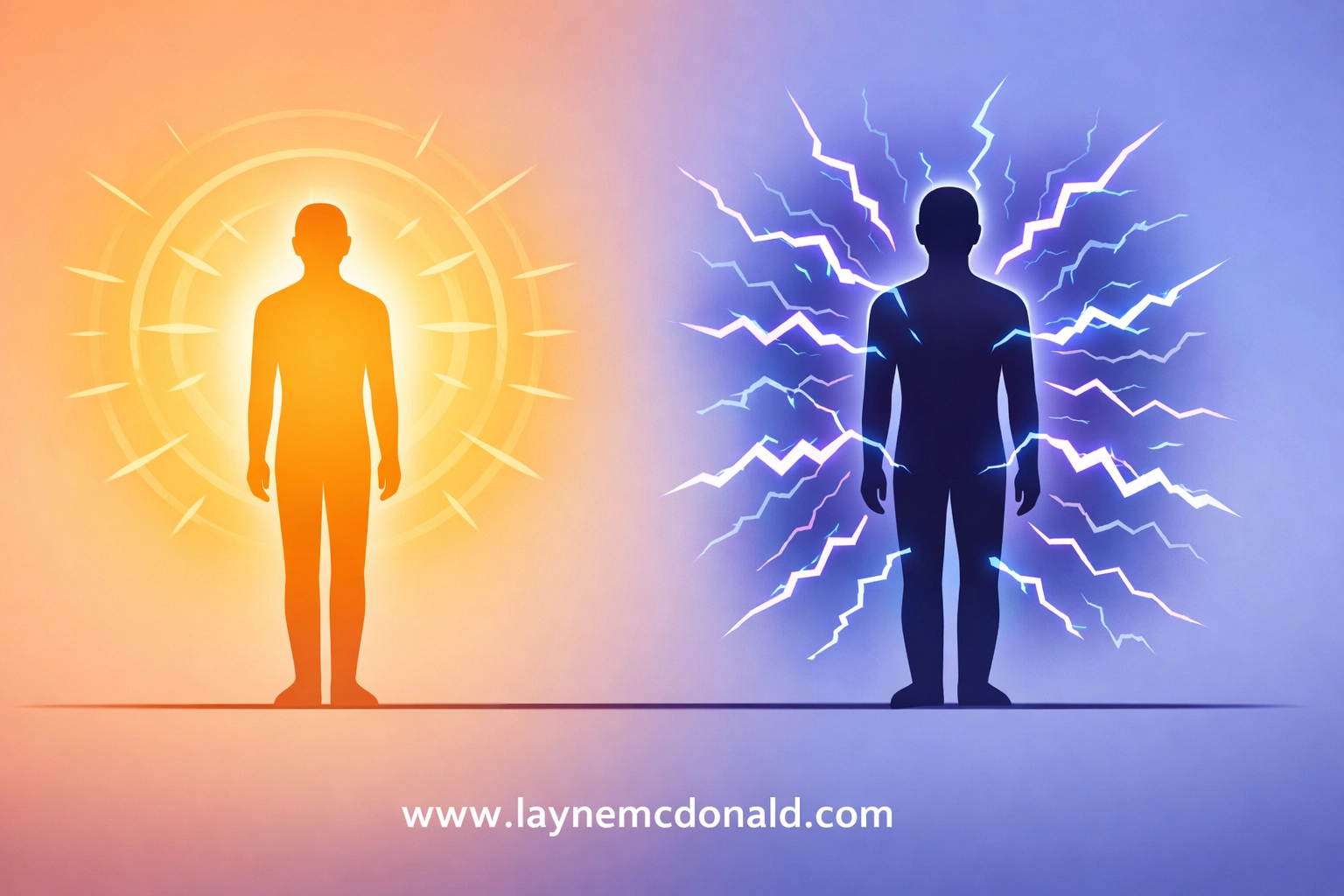
The Battle Within: Joy vs. Anxiety
The film's central conflict revolves around which emotion gets to control Riley's console: and by extension, her identity. When Joy guides Riley's actions, something beautiful happens: she demonstrates Christ-like character. She helps a struggling classmate without expecting anything in return. She keeps her word even when it's inconvenient. She maintains her integrity when no one's watching.
But when Anxiety seizes control, Riley's behavior shifts dramatically. She breaks promises to her longtime friends. She compromises her morals by stealing. She becomes someone unrecognizable, driven by fear rather than love.
This dynamic mirrors a profound biblical truth: the voice we listen to determines the person we become. Scripture consistently teaches that anxiety and fear shouldn't govern our lives. "Do not be anxious about anything, but in every situation, by prayer and petition, with thanksgiving, present your requests to God. And the peace of God, which transcends all understanding, will guard your hearts and your minds in Christ Jesus" (Philippians 4:6-7).
The film's climactic moment shows Joy confronting Anxiety with a powerful message: "You have to let Riley go." She recognizes that Anxiety's controlling grip only damages Riley rather than protecting her. This echoes the biblical principle that fear-based living leads to bondage, while surrendering control to God brings freedom and peace.
What the Film Gets Right
Despite its theological limitations (which we'll address), Inside Out 2 demonstrates several principles that align beautifully with Christian teaching:
Consequences Matter
The film doesn't shy away from showing real cause-and-effect outcomes. When Riley betrays her values, she experiences broken relationships, guilt, and inner turmoil. This reflects the biblical principle of sowing and reaping: "Do not be deceived: God cannot be mocked. A man reaps what he sows" (Galatians 6:7).
Biblical Virtues Are Celebrated
Throughout the narrative, kindness to others, keeping promises, and seeking forgiveness are portrayed as genuinely good and worth pursuing. These aren't presented as optional lifestyle choices but as values that matter. Proverbs 12:22 tells us that "The Lord detests lying lips, but he delights in people who are trustworthy": a principle Riley learns firsthand when her lies and broken promises lead to pain.

Moral Clarity Exists
In an age where moral relativism dominates children's media, Inside Out 2 refreshingly distinguishes right from wrong. Riley's bad choices are portrayed as actually bad, not just "different perspectives." The film doesn't suggest that all emotional responses or behavioral choices are equally valid.
Where the Film Misses the Mark
Here's where we need to engage our discernment. The film's core message: while emotionally resonant: conflicts with fundamental Christian doctrine.
Self-Acceptance Over Redemption
Riley's foundational identity statement throughout the film is "I'm a good person." This self-affirming belief receives uncritical support from the narrative. The film's ultimate answer to Riley's struggles boils down to: be honest with yourself, embrace all your emotions, and you'll find peace through self-acceptance.
But Romans 3:23 teaches us something different: "For all have sinned and fall short of the glory of God." True transformation doesn't come from accepting ourselves as we are, but from being transformed by Christ's redemptive work. While emotional honesty and self-awareness have value, they can't substitute for the gospel's transformative power.
The film suggests that emotional balance comes from accepting all parts of yourself. Christianity teaches that true peace comes from dying to self and being raised with Christ (Romans 6:4). These are fundamentally different paths.

The Missing Gospel Dimension
The film's most significant limitation is its failure to point beyond the self toward transcendence. Riley finds her resolution by looking inward rather than upward. A truly Christian narrative would show her discovering peace not merely through emotional balance but through reaching beyond her own limited resources to a source of peace outside herself: ultimately, to God's grace.
St. Maximus the Confessor, a seventh-century theologian, offered a framework that resonates more deeply with Christian anthropology than what this film provides. He taught that all human emotions are rooted in God's positive design; the problem isn't the emotions themselves but when they're inflamed wrongly or expressed in improper circumstances. This perspective acknowledges that emotions aren't inherently good or bad: the question is whether they're submitted to Christ's lordship.
Talking Points for Families
If you watch this film with your children, here are some conversation starters:

Christian Safety Rating
★★★★☆ (4 out of 5 stars)
Inside Out 2 is generally safe for family viewing with children ages 7 and up, but parental guidance and discussion are recommended.
Content Breakdown:
Curse words: 0
Gore/violence: 0
Scary moments: Mild (some intense emotional scenes that may overwhelm sensitive children)
Sexual content: 0
Drinking/drugs: 0
Thematic concerns: Strong humanistic worldview; self-salvation message; minimal acknowledgment of God or faith
The film's primary concern isn't inappropriate content but its philosophical framework. Parents should be prepared to discuss how the film's message of self-acceptance differs from biblical teaching about identity in Christ.
The Invitation
Inside Out 2 offers a beautiful springboard for conversations about emotions, identity, and where we find our peace. While it stops short of pointing to the true Source of transformation, it can help us articulate a richer, more biblical understanding of our inner lives.
Our emotions aren't enemies to be eliminated or tyrants to be obeyed: they're part of God's good design, meant to be experienced fully and submitted to His loving authority. Anxiety doesn't disappear through self-acceptance alone; it transforms when we cast our cares on Him, "because he cares for [us]" (1 Peter 5:7).
The film gets us halfway there. It's up to us to complete the journey by pointing our children: and ourselves: toward the One who offers not just emotional balance, but complete redemption and rest for our weary souls.
If you're navigating complex emotions or just need a safe place to land, I'd love to hear from you. You can reach out to me on the site anytime.
Visiting this site helps raise funds for families who lost children at no cost: your presence here makes a real difference.
Need prayers? Text us day or night at 1-901-213-7341. Explore more at www.laynemcdonald.com
Comments