Nintendo Switch 2: What Christian Parents Need to Know About the Next Generation
- Dr. Layne McDonald
- Mar 15
- 6 min read

I get it. I want my kids to have fun, but I also want to protect their hearts and minds. The Nintendo Switch 2 just dropped, and every kid on the block is begging for one. Before I hand over my credit card, I need to talk through what this new console means for my family—and how I can use it wisely as a “Digital Tabernacle” steward, putting eternal impact ahead of convenience.
Gaming isn’t inherently good or bad. It’s a tool. And like any tool, it can build up or tear down depending on how I use it. So I’m going to walk through what I actually need to know about the Switch 2, from parental controls to content concerns to keeping my home centered on Christ while still letting my kids enjoy some Mario Kart.
The Parental Controls Are Actually Pretty Solid
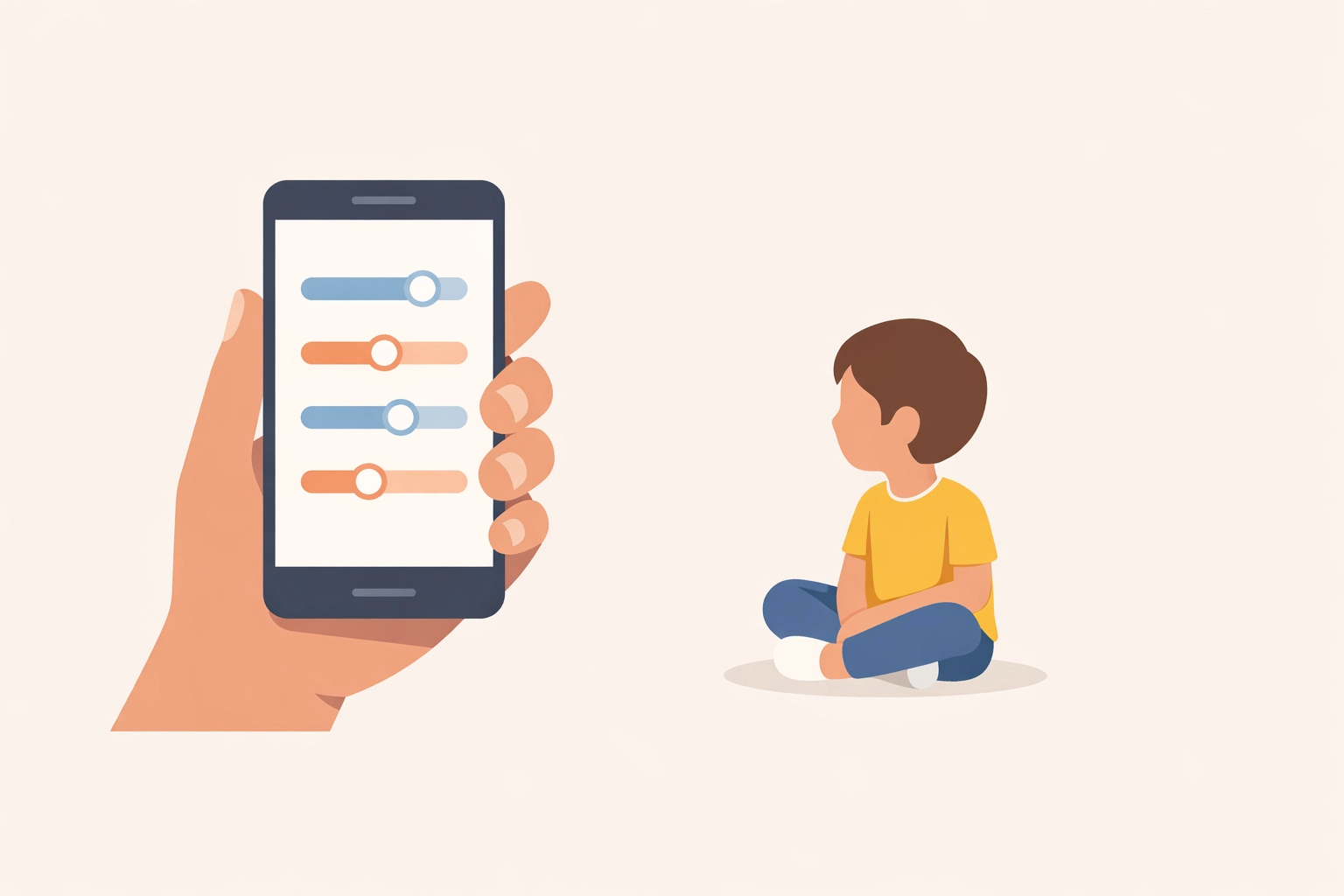
Nintendo didn’t mess around with the Switch 2’s parental control features. Whether I’m managing everything from the console itself or using the free Nintendo Switch Parental Controls app on my phone, I’ve got some serious tools at my disposal.
Here’s what I can do:
Set game restrictions based on age ratings. I can choose from preset categories like Young Child, Child, or Teen, or I can customize exactly what games my kids can access. This matters because not every “Teen” rated game is created equal. Some have mild cartoon violence, while others push boundaries I’m not comfortable with.
Monitor what they’re playing and for how long. The app lets me see which games my child has been playing and review their gameplay activity. I think of it as digital stewardship: I’m not spying, I’m shepherding.
Set daily playtime limits and bedtimes. I can program the console to stop working at 9 PM or after two hours of gameplay. The system will send alarm notifications when time is almost up, and I can choose to automatically suspend gameplay. No more bedtime battles where “just five more minutes” turns into an hour.
Control who they talk to. This is critical. The Switch 2 requires parent setup through the app for GameChat if my kid is under 16. I can manage which friends they can chat with and even review chat history. I can also restrict the ability to exchange messages and images with other users.
Restrict eShop purchases. I can set this up through my Nintendo Account settings so my kids can’t rack up charges without my permission.
These features aren’t just about control—they’re about creating boundaries that help my kids flourish. Proverbs 22:6 reminds me to “train up a child in the way he should go.” That includes teaching them how to handle technology with wisdom.
Content Concerns: What to Watch For
Here’s where it gets tricky. Not every game on the Switch 2 aligns with Christian values, and age ratings don’t always tell me what I really need to know.
Some games include:
- Occult themes (magic, witchcraft, summoning spirits)
- Violence beyond what’s appropriate (gore, realistic killing, glorification of revenge)
- Sexual content (innuendo, immodest character design, romantic relationships that normalize sin)
- Language (profanity, taking God’s name in vain, crude humor)
- Worldviews that contradict Scripture (moral relativism, New Age spirituality, anti-authority messaging)
The age rating system won’t always flag these. A game rated “E for Everyone” might still have subtle messages about spirituality that don’t line up with what I’m teaching at home.
So what do I do?
First, I do my homework. Before I buy or download a game, I read Christian reviews. I look for sites that break down content from a faith perspective. I check gameplay videos on YouTube. I ask other Christian parents what their kids are playing.
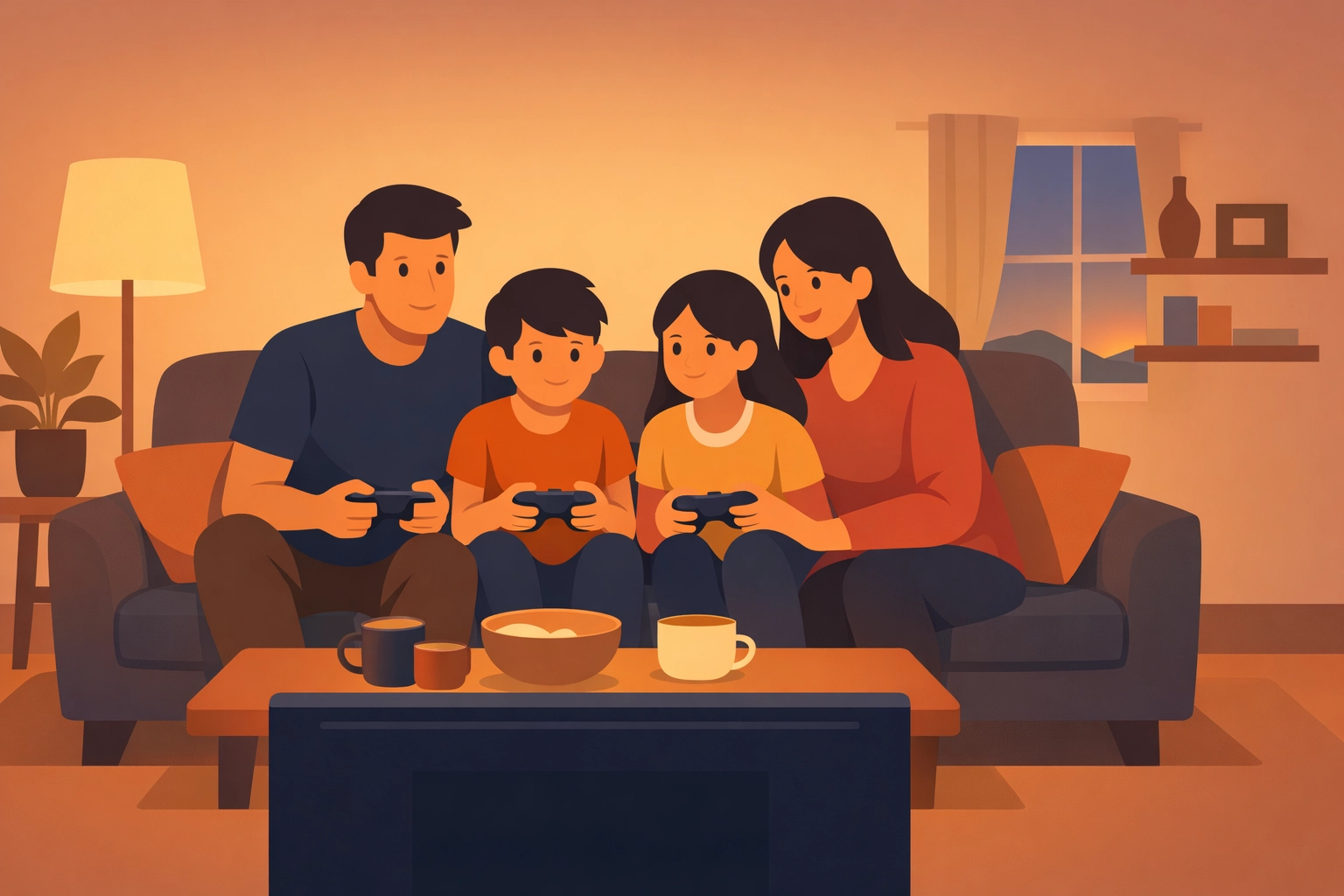
Second, I play with my kids. Seriously. I join them in the game. It’s not just about monitoring—it’s about building relationship and having conversations about what they’re seeing on screen. When a character makes a morally questionable choice, I pause the game and talk about it. When a game celebrates sacrifice or courage, I celebrate that together with them.
Third, I remember that not every fantastical element is automatically evil. C.S. Lewis wrote Narnia. Tolkien wrote Middle-earth. Both used magic and mythical creatures to point toward eternal truth. The question isn’t “Is there magic in this game?” but “What is this game teaching my child about good, evil, sacrifice, and truth?”
Screen Time and the Stewardship Question
Here’s a question that keeps a lot of Christian parents up at night: How much gaming is too much?
There's no one-size-fits-all answer, but there are some biblical principles we can apply.
Time is a gift from God. We're called to be good stewards of everything He's given us: including our hours. Ephesians 5:15-16 says, "Look carefully then how you walk, not as unwise but as wise, making the best use of the time, because the days are evil." Gaming isn't evil, but wasting hours that could be spent serving others, growing in faith, or building real relationships? That's worth examining.
Balance matters. Are your kids still spending time outside? Reading? Praying? Serving? Building things with their hands? If gaming is crowding out other good things, it's time to reassess.
Addiction is real. Some kids: and adults: struggle with gaming addiction. If your child gets angry when you ask them to turn it off, if they're sneaking extra time, if their grades or relationships are suffering, those are red flags. The Switch 2's built-in time limits can help, but sometimes you need to set stricter boundaries or remove the console entirely for a season.
Use the daily playtime limits feature intentionally. Maybe your family rule is one hour on weekdays, two hours on weekends, and only after chores and homework are done. Maybe you have "screen-free Sundays" to focus on worship and family time. Whatever you choose, make it a conscious decision rather than letting gaming just happen by default.
Online Safety and Community Features
The Switch 2’s online features are both a blessing and a potential minefield. My kids can play with friends, join online communities, and even voice chat. But they can also encounter strangers, inappropriate language, and all the ugliness the internet has to offer.
This is where the communication controls become non-negotiable.
Restrict free communication with other players. If my child is young, I’ll seriously consider turning off voice chat entirely. If they’re older and I’m comfortable with it, I’ll use the GameChat controls to approve specific friends they can talk to.
Review chat history. The app lets me see what’s being said. This isn’t about being paranoid—it’s about protecting my kids from predators, bullying, and exposure to content that contradicts my family’s values.
Teach them digital discernment. Eventually, my kids will be out in the world without my direct oversight. I want to use this as an opportunity to teach them how to navigate online spaces wisely. I’ll talk about what to do if someone says something inappropriate. I’ll discuss why we don’t share personal information online. I’ll practice kindness with them even when playing competitive games.
Model healthy online behavior. If I’m raging at other drivers in traffic or scrolling mindlessly through social media, my kids are watching. I want to show them what it looks like to use technology with intention and grace.
Practical Tips for Christian Families
Here’s how I can make the Switch 2 work in a Christ-centered home (without letting it become the center):
1. Create a family media plan. I’ll sit down with my family and decide when, where, and how gaming happens. I’ll write it down. I’ll pray over it. I’ll revisit it regularly.
2. Keep the console in a common area. I won’t let my kids game behind closed doors. When the Switch 2 is in the living room, I naturally have more visibility into what’s happening.
3. Look for games that build character. Some games teach problem-solving, teamwork, perseverance, and creativity. Games like Animal Crossing can encourage kindness and community. Breath of the Wild has themes of sacrifice and courage. I’ll choose games that reinforce the values I’m teaching.
4. Use gaming as a reward, not a default. When gaming becomes the automatic answer to boredom, I’ve got a problem. I’ll make it something my kids earn through obedience, responsibility, and contributing to the family.
5. Talk about it. I’ll ask my kids what they’re playing and why they like it. I’ll listen without judgment. I’ll use their answers as opportunities to point them toward Christ.
The Bottom Line
The Nintendo Switch 2 isn’t going to corrupt my kids, and it’s not going to raise them in righteousness either. It’s a tool. My job as a Christian parent is to use that tool wisely: to set boundaries that protect, to have conversations that disciple, and to model the kind of intentional living I want to see in my children.
I can use the parental controls. I can research the games. I can play together with my kids. I can pray for wisdom. And I can remember that raising kids who love Jesus isn’t about sheltering them from every worldly influence—it’s about equipping them to engage the world with truth, grace, and discernment.
I’ve got this. And more importantly, I’ve got the Holy Spirit guiding me.
Takeaway / Next Step
If I want one practical next step that keeps my home feeling like a “Digital Tabernacle,” it’s this: I’ll set one clear boundary (time limit + bedtime), then I’ll schedule one intentional “play with them” session this week so I can disciple in the moment instead of reacting afterward.
reach out to me on the site.
visiting helps raise funds for families who lost children at no cost.

Comments